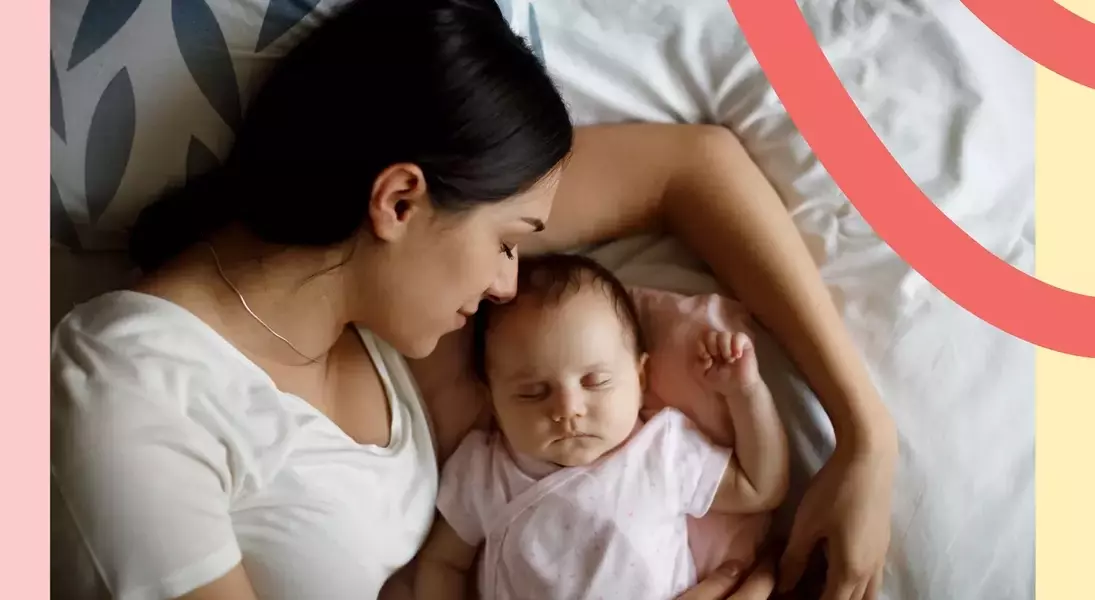
The unique and universally adored scent of newborns isn't just a pleasant aroma; it's a profound biological and evolutionary phenomenon that significantly contributes to the parent-infant bond. This distinctive smell, which captivates parents worldwide, stems from the oils produced by the baby's sebaceous glands and a waxy substance called vernix caseosa. This natural scent plays a critical role in activating the brain's reward centers in parents, fostering feelings of connection, protection, and deep affection. Scientific studies have delved into this captivating phenomenon, revealing how this transient aroma is integral to the early stages of attachment and nurturing.
Research indicates that the newborn scent is a complex mixture, distinct from other birth fluids, primarily originating from the baby's skin. Dr. Marty Ellington Jr., Chairperson of Pediatrics at Lenox Hill Hospital, highlights the role of sebaceous glands in producing these unique skin oils. A 2019 study further confirmed that the odor collected from newborn heads possessed its own specific chemical composition, differentiating it from amniotic fluid. This special aroma is fleeting, typically disappearing within the first few weeks after birth. This rapid disappearance is largely due to the gradual dissolution of vernix caseosa, a protective, white, waxy coating that covers newborns, believed to be a key component of this much-loved scent. Its temporary nature makes the newborn smell a cherished, short-lived experience.
From an evolutionary standpoint, humans are intrinsically drawn to the scent of babies. Dr. Ellington explains that our neurological systems are hard-wired to respond positively to this smell, enhancing protective instincts towards offspring. This innate response extends beyond biological parents, eliciting positive reactions from other individuals as well, thereby contributing to the collective care and protection of the young. Societal and cultural factors also reinforce this positive inclination, encouraging closeness and interaction with infants. A compelling 1987 study demonstrated that mothers could recognize their newborns by smell alone, with 90% accuracy after just brief contact, underscoring the potent nature of this unique scent.
The impact of a newborn's scent is particularly strong in individuals with ovaries, as revealed by a study published in Frontiers in Psychology. Researchers observed that the body odor of newborns activated reward circuits in the brains of participants, irrespective of whether they were new parents or not. This activation was akin to responses triggered by pleasurable stimuli like food, but notably stronger in new parents. Dr. Johannes Frasnelli, a lead author of the study, emphasizes that this neural response contributes to the "addictive" quality of the baby's scent, reinforcing the powerful emotional connection between parent and child. This biological mechanism is crucial for forming strong attachments, especially considering the demanding nature of newborn care.
Beyond the baby's scent, a parent's smell also plays a vital role in bonding and providing a sense of security for the infant. A 2021 study in Science Advances utilized dual-electroencephalography (dual-EEG) to demonstrate that brain activity between infants and their birthing parents synchronized during interaction. This synchrony was notably lower with strangers but increased significantly when a T-shirt carrying the parent's scent was placed nearby. The presence of the parent's odor made babies more attentive, happier, and engaged with strangers, indicating that familiar scents provide comfort and enhance social responsiveness. This highlights a reciprocal olfactory dance, where both parent and infant scents are crucial for establishing and nurturing their profound bond.
Ultimately, the captivating aroma of a newborn is more than just a pleasant fragrance; it's a multifaceted signal deeply embedded in human biology and evolution. This unique scent, originating from the baby's skin and vernix caseosa, triggers powerful reward pathways in the parental brain, fostering deep attachment and protective instincts. This innate connection is further strengthened by the release of oxytocin, the "love hormone," during skin-to-skin contact, enhancing feelings of warmth and emotional bonding. Both the baby's scent and the parent's familiar aroma work in tandem, creating a secure and loving environment essential for early development and the enduring parent-child relationship.
