

Brining, traditionally understood as immersing food in a salt and water solution, has evolved into a broader concept of seasoning food with salt over time. This can be achieved through either a 'wet' brine, utilizing a saltwater solution, or a 'dry' brine, where salt alone is applied. Dry brining works by drawing moisture out of the food, which then dissolves the salt to form a natural brine. While brining is widely recognized for its transformative effects on meats and certain high-water content vegetables like eggplant and cucumbers, its application to other, seemingly 'drier' vegetables remains less explored. This article delves into the science behind brining vegetables, examining its impact on various types of produce and offering practical guidance for home cooks.
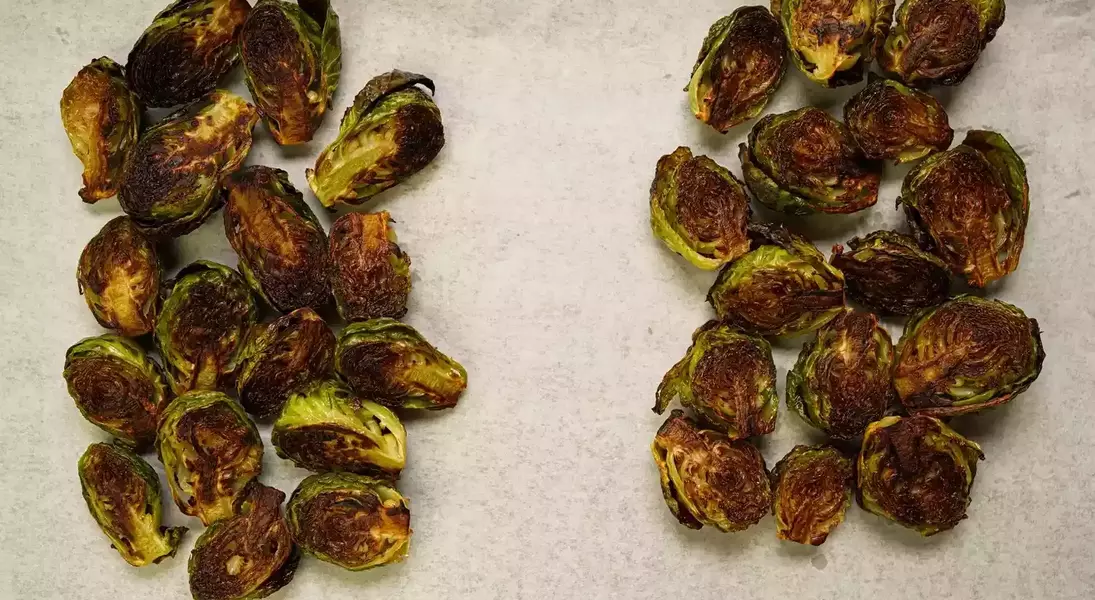
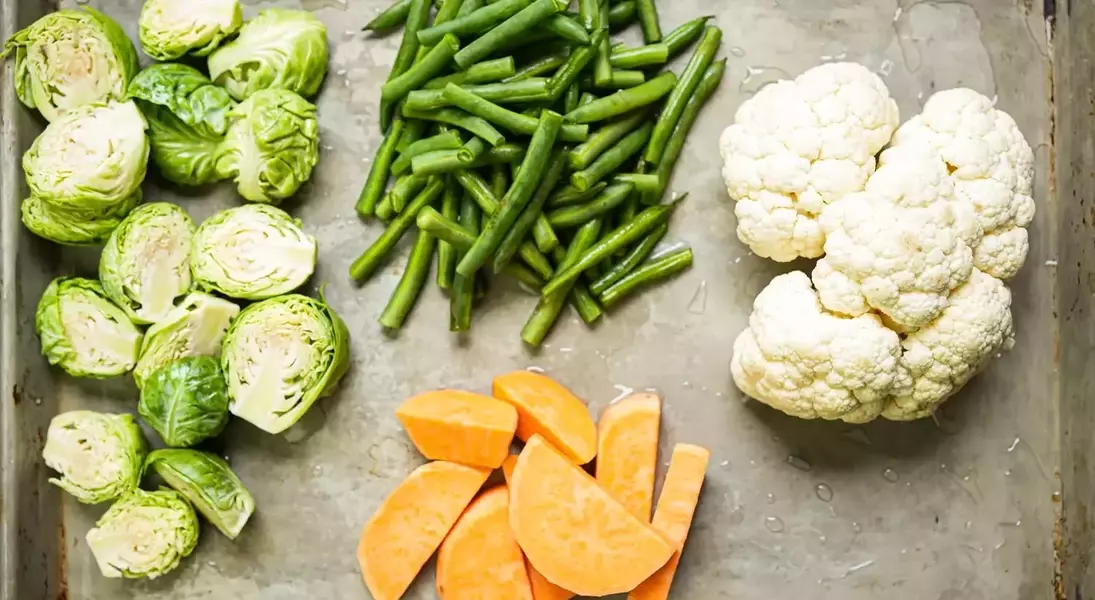
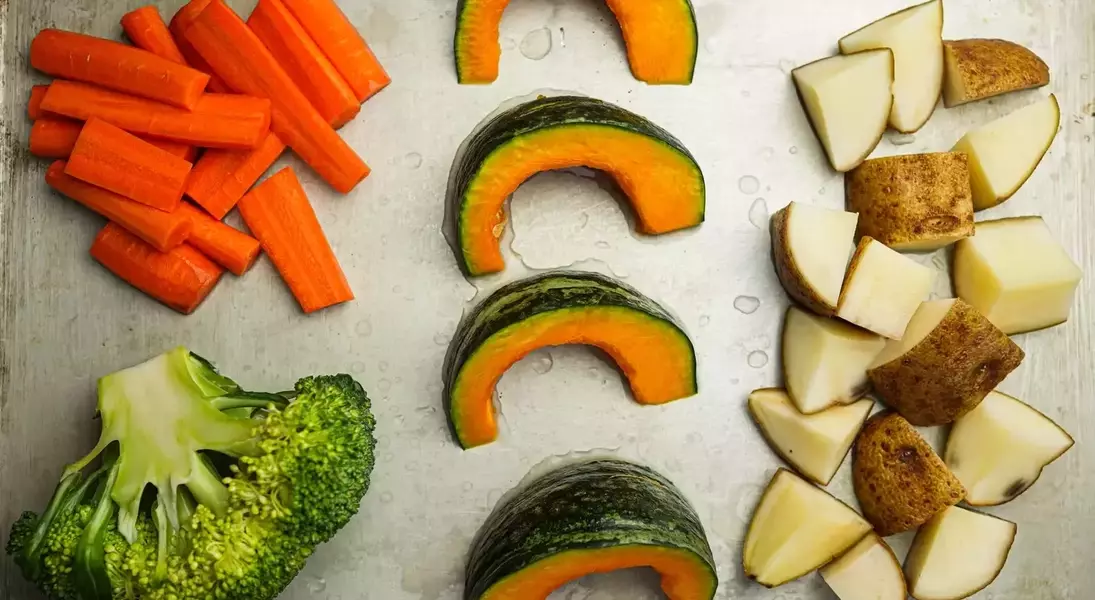
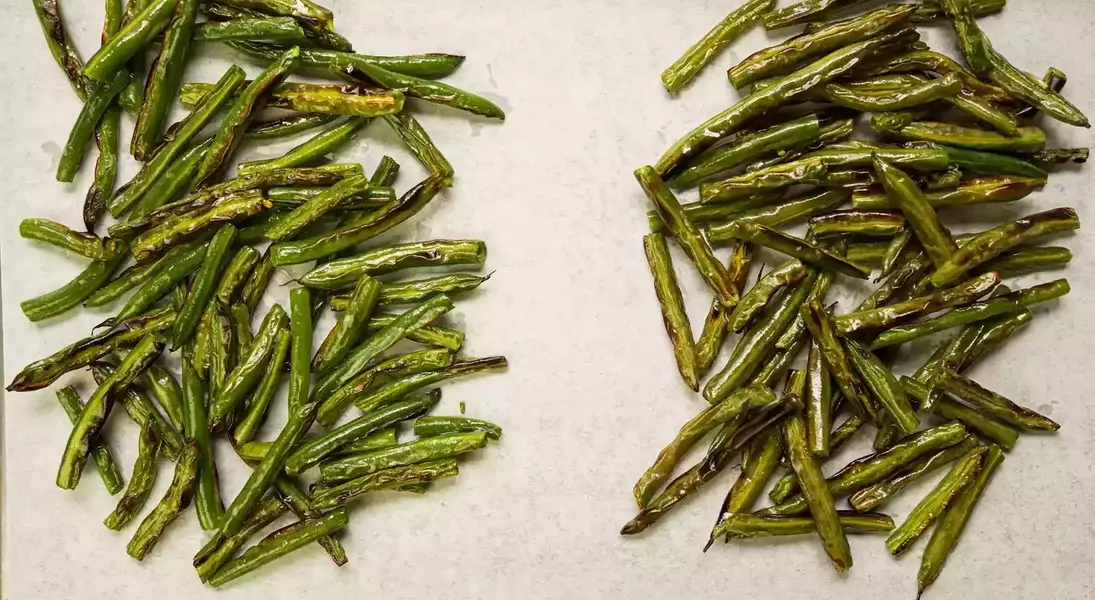
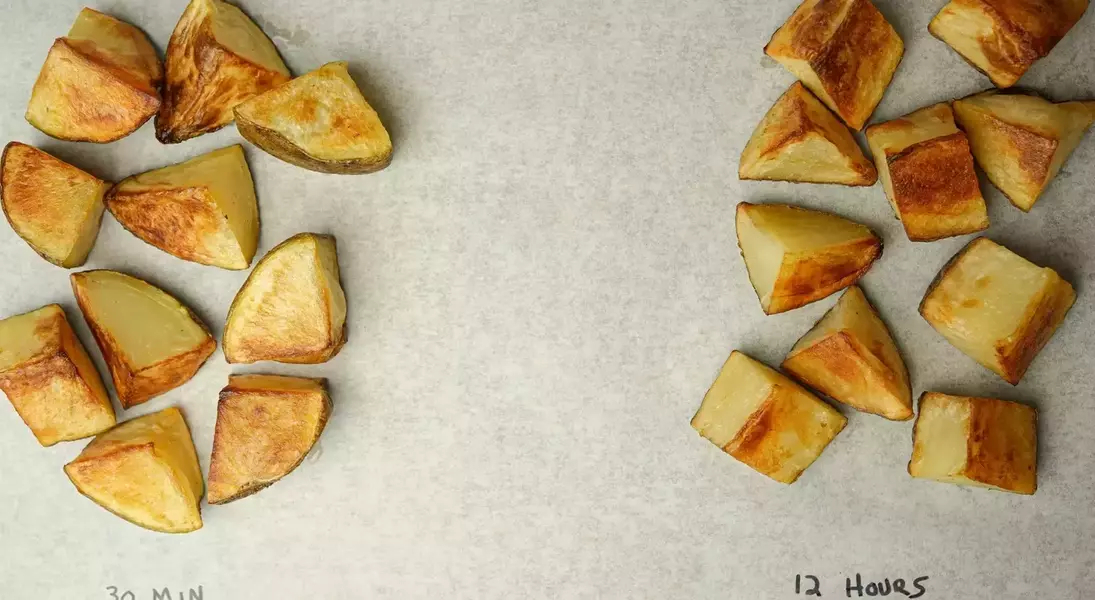
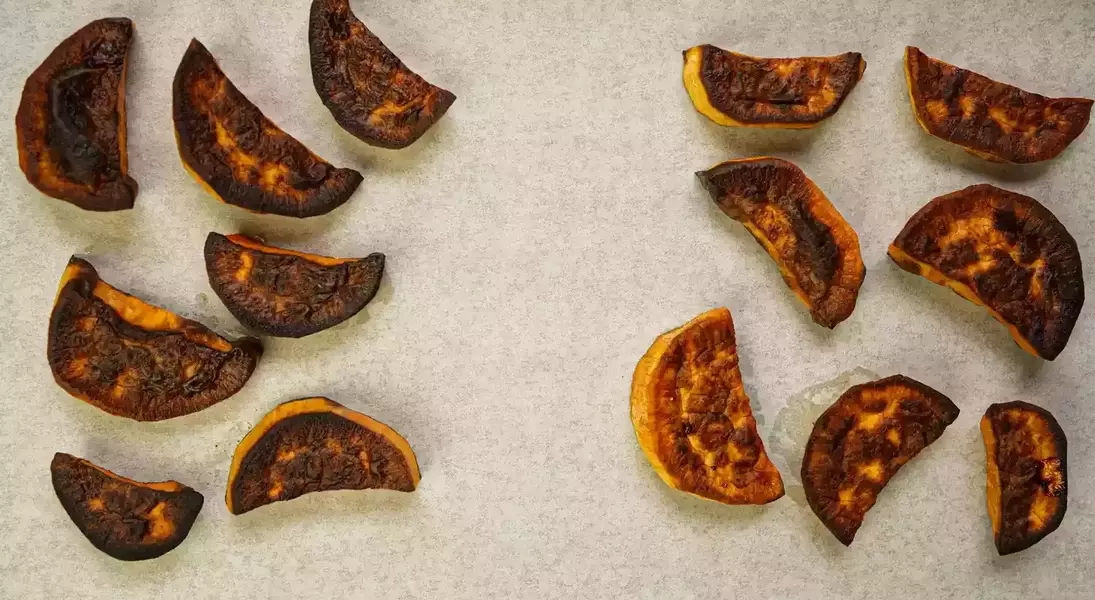
The efficacy of brining vegetables hinges on the principles of diffusion and osmosis. Diffusion, the movement of salt from areas of high concentration to low concentration, and osmosis, the movement of water from low salt concentration to high salt concentration, collectively season vegetables deeply and alter their texture. This is particularly evident in traditional preparations like pickling cucumbers or making sauerkraut. However, the benefits extend beyond these staples. Through rigorous testing, it has been discovered that many other vegetables, often overlooked for brining, can also experience significant improvements. For instance, green beans, typically resistant to water penetration, showed enhanced seasoning and a desirable crisp-tender texture when brined for one to four hours. Potatoes, when brined, developed a creamier texture and a more uniform seasoning, contrasting with their usual fluffy and starchy consistency. Even cruciferous vegetables like broccoli and cauliflower, despite their protective outer layers, became sweeter, less bitter, and more evenly seasoned, especially when brined for several hours or after being cut into florets.
Ultimately, brining is a valuable technique for elevating everyday vegetable dishes. Although not every vegetable benefits equally, judicious application of brining can lead to more flavorful and texturally appealing results. By experimenting with different vegetables and brining durations, home cooks can unlock new dimensions of taste and texture. This simple, yet powerful, method encourages a more thoughtful approach to vegetable preparation, transforming them from mere accompaniments into star attractions on the plate.
