The modern fashion landscape is witnessing a fascinating convergence where the visual spectacle of clothing is increasingly complemented by the evocative power of scent. This article delves into how leading fashion houses are embracing fragrance as an integral component of their runway presentations and collections, creating a multi-sensory experience that goes beyond mere aesthetics.
Where Fabric Meets Fragrance: A New Era of Sensory Style
Scented Spectacles: Elevating the Runway Experience
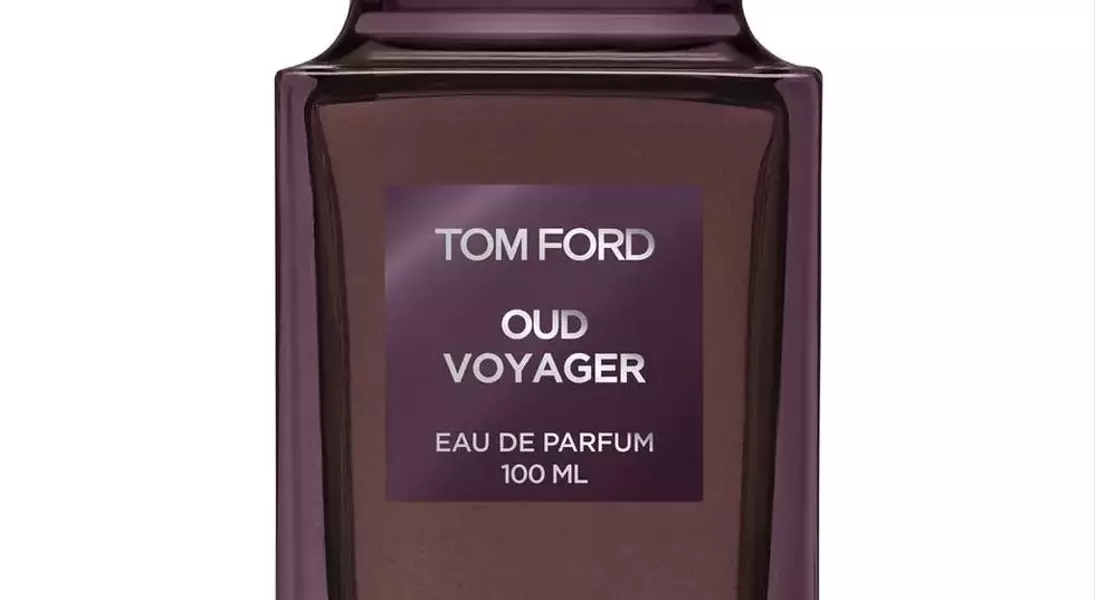
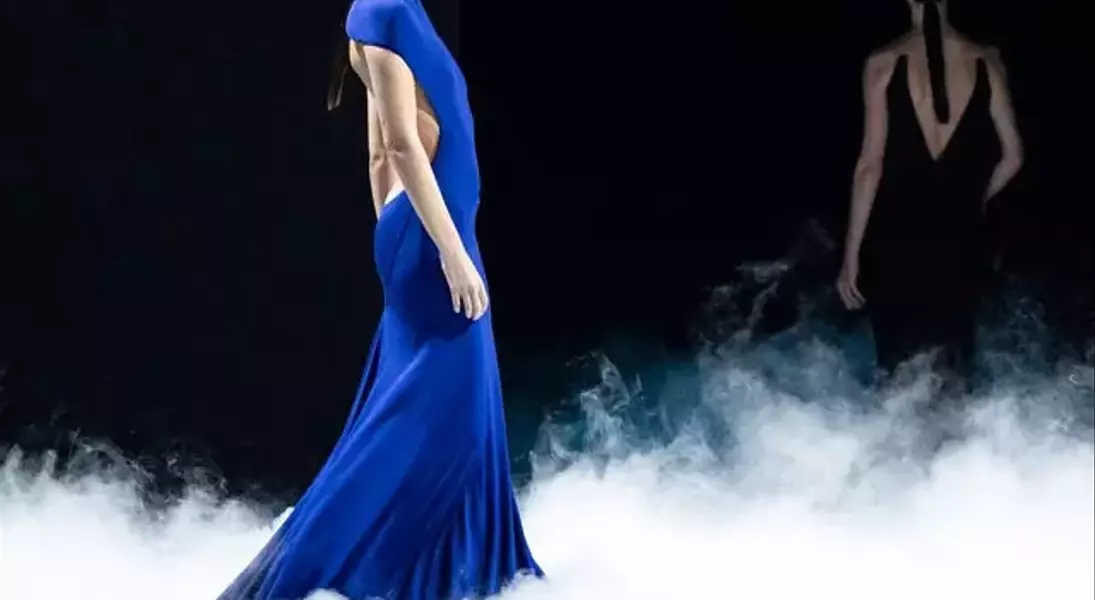
At the recent Tom Ford spring 2026 presentation in Paris, models showcased stunning ensembles in shimmering jewel tones and soft neutrals. However, it was the aromatic dimension that truly captured attention. Each model, before their entrance, was adorned with Tom Ford's new "Oud Voyager" fragrance. As they graced the catwalk, a captivating blend of rich oud and vibrant floral notes, including geranium and peony, enveloped the space, adding an atmospheric warmth to the display. This strategic use of scent transforms the runway into an immersive journey for the audience.
Aromatic Inspirations: When Perfume Shapes Design
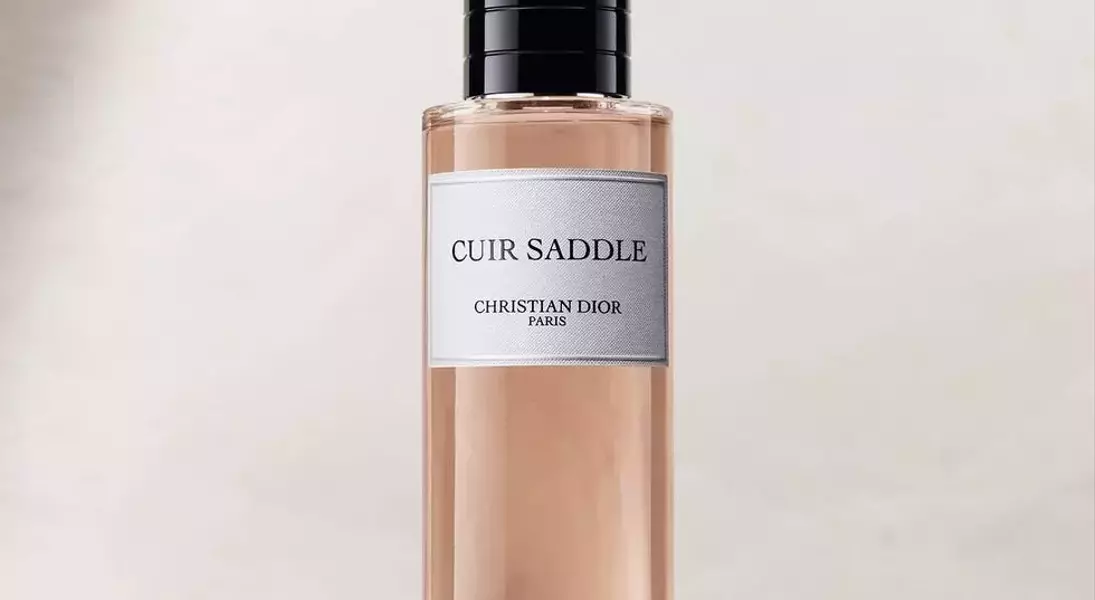
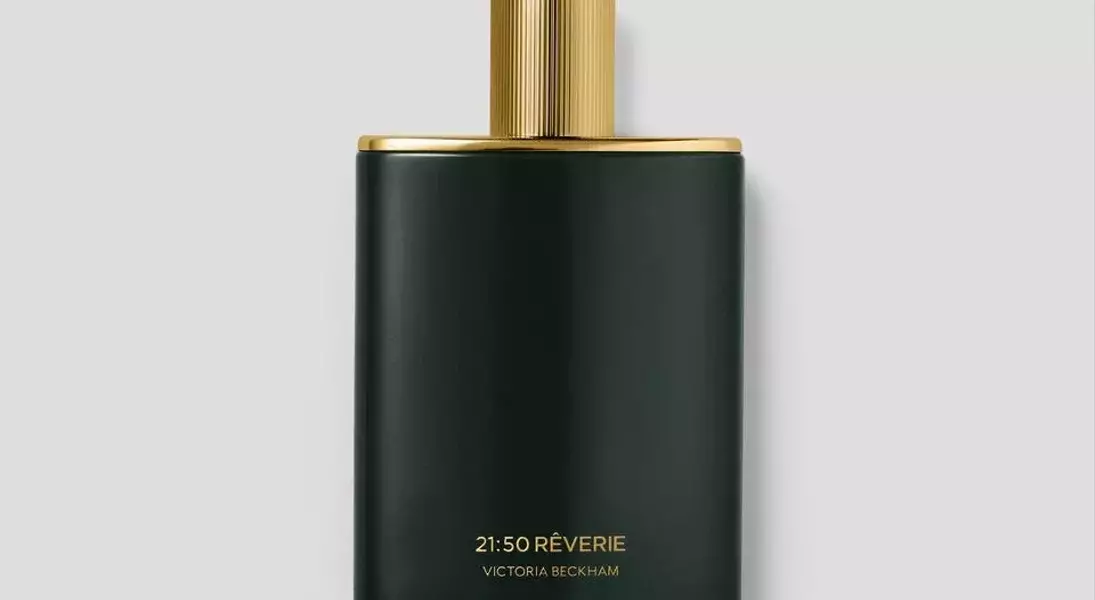
The trend of incorporating fragrance into fashion shows is gaining momentum. Beyond Tom Ford, other prominent designers have infused their presentations with distinctive scents. Victoria Beckham's runway, for instance, featured the peppery vanilla notes of her "21:50 Rêverie" perfume, a tribute to a special evening with David Beckham. Similarly, Willy Chavarria's collection was imbued with the herbal, spicy, and woody aromas of Parfums de Marly’s "Haltane." This reciprocal relationship extends to designers drawing inspiration from perfumers; Vivienne Westwood's spring 2026 collection, titled "Boudoir," was directly named after her brand's iconic fragrance. This reinterpretation, featuring notes of aldehyde, bergamot, orange blossom, and sandalwood, embodies intimacy and personal expression within the collection's sheer fabrics and deconstructed silhouettes. Dior Beauty's "Cuir Saddle," mimicking the texture of leather, epitomizes this synergy, offering a olfactory representation of their renowned saddle bag.
Fashion's Ancient Adornments: The Return of Perfume Pendants
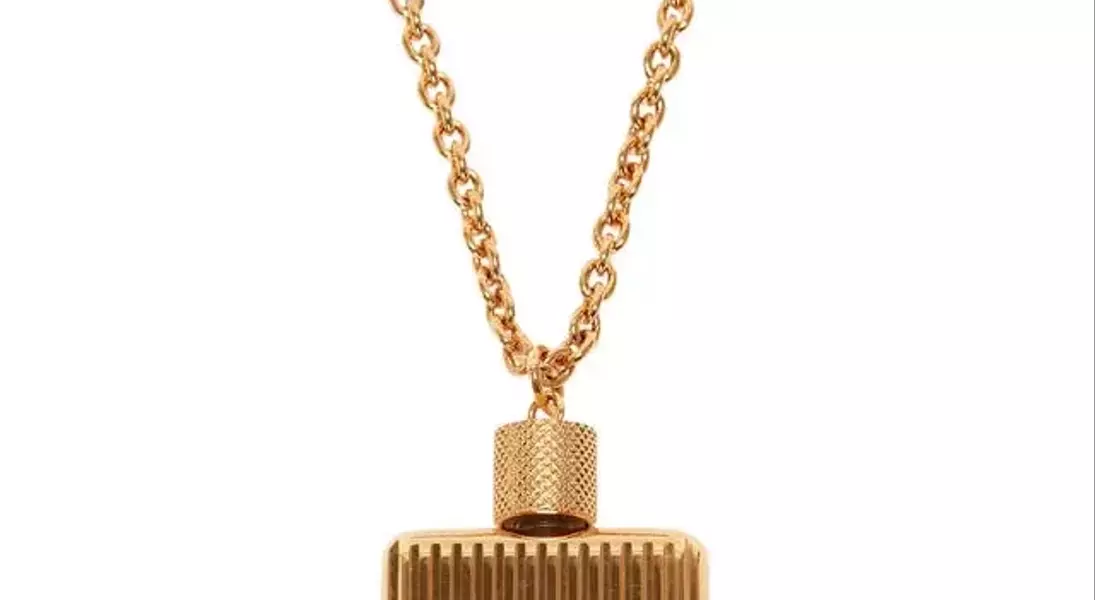
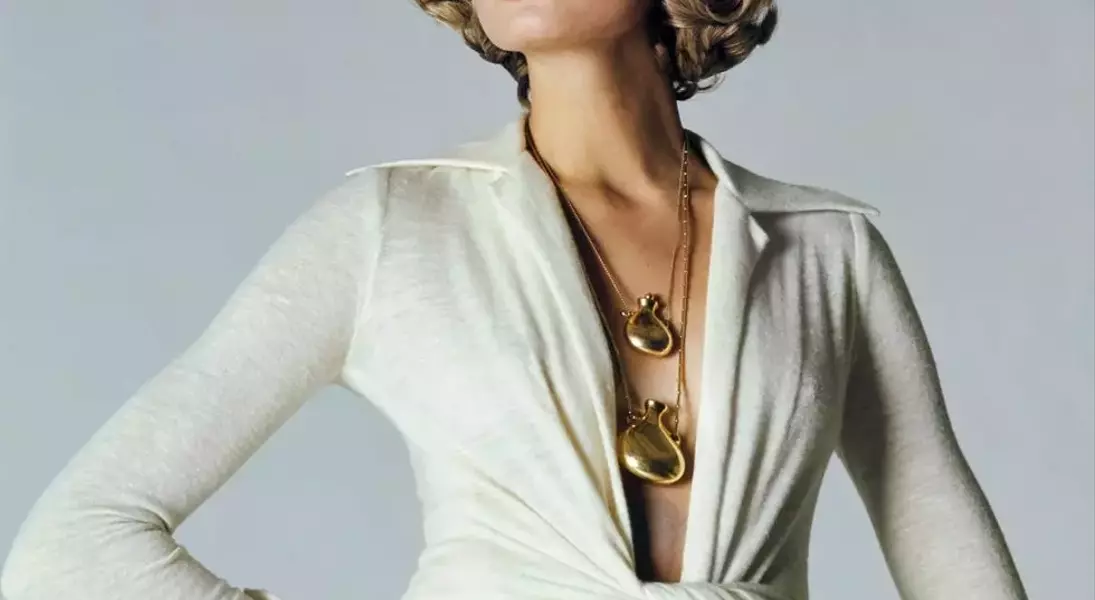
Adding another layer to this olfactory trend is the resurgence of perfume-bottle necklaces, also known as pomanders. These decorative pendants, with origins tracing back to the 14th century, were initially used for personal hygiene and believed to ward off illness. In contemporary fashion, they serve as stylish statements rather than purely functional items. Pioneers like Elsa Peretti revolutionized these accessories in the 1970s for Halston and Tiffany & Co. Today, luxury brands such as Chanel, Courrèges, and Victoria Beckham are reintroducing these chic and functional pieces, blending historical elegance with modern style.
The Olfactory Reflection of Personal Style
The deep connection between fashion and fragrance stems from their shared ability to communicate personal identity. A smoky, spicy perfume can evoke the same sophisticated aura as a classic little black dress. A clean, aldehyde-infused scent mirrors the crispness of a freshly laundered white shirt. Rich floral perfumes, in their essence, are like exquisitely crafted lace skirts, encapsulated in a bottle. As industry experts suggest, fragrance is not merely an accessory but an authentic extension of one's fashion sensibility, allowing individuals to express their unique character through both sight and smell.
