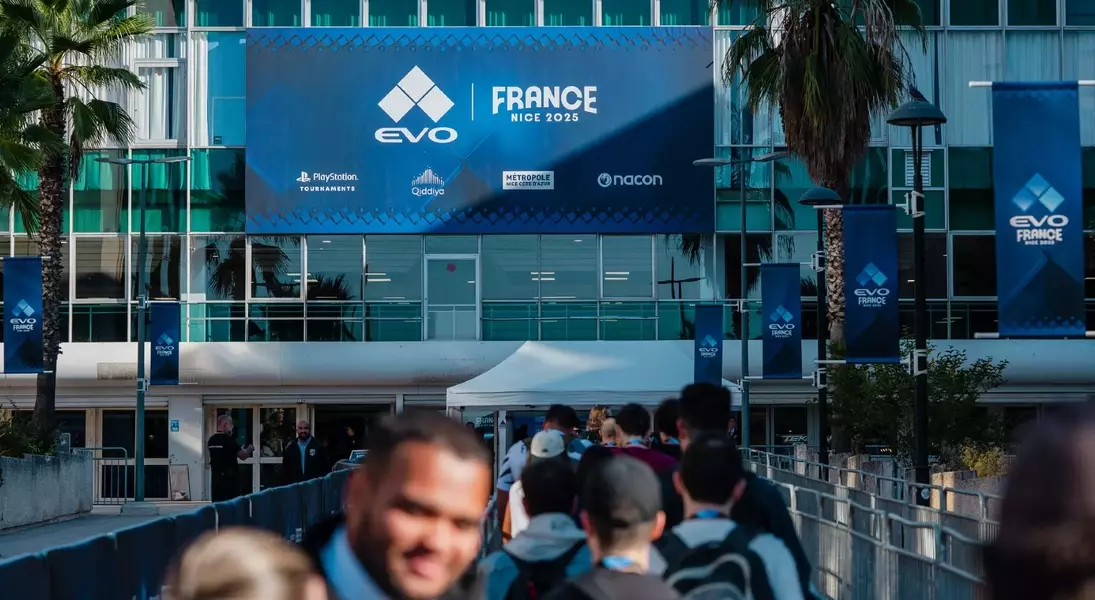
The Evolution Championship Series (Evo), a significant fixture in the fighting game community, is now entirely under the control of Qiddiya, a massive development initiative backed by Saudi Arabia. This complete acquisition has sparked considerable debate within the gaming world, particularly given Evo's origins as a community-driven event. While organizers affirm that the tournament’s fundamental principles and identity will be preserved, the move reflects a growing trend of large-scale corporate and national investments influencing the landscape of competitive gaming. This shift raises questions about the balance between commercial expansion and the preservation of a sport's grassroots culture.
Qiddiya's Full Acquisition of Evo and Community Concerns
The fighting game community has traditionally been characterized by its grassroots nature, fostering a strong sense of community and independent spirit. Therefore, the announcement that Qiddiya, a Saudi Arabian megaproject, has taken complete ownership of the Evolution Championship Series (Evo) has generated significant discussion and concern. This development comes after Qiddiya's previous involvement through its acquisition of RTS, a co-owner of Evo. Despite assurances from Evo organizers that the tournament's core traditions, values, and identity will remain unchanged, many within the community express apprehension about the long-term implications of such a corporate takeover on an event known for its community-driven ethos.
The full acquisition marks a pivotal moment for Evo, transitioning it from a partially-owned entity to being entirely under the umbrella of Qiddiya. This move is positioned by Evo as aligning with Qiddiya's broader vision for the gaming and esports sector, which includes ambitious plans to construct an extensive esports district featuring multiple arenas. However, the community's reaction on platforms like Reddit has been largely negative, with many participants voicing their displeasure and advocating for a return to grassroots support. Concerns revolve around the potential for diminished community influence, the commercialization of a beloved event, and the broader context of Saudi Arabia's increasing investment in global sports and entertainment, often viewed through a lens of 'sportswashing.'
Evo's Future Under New Ownership and Broader Esports Trends
Under the new full ownership by Qiddiya, Evo has committed to maintaining its established schedule of three major tournaments throughout the year: Evo Japan in May, the main event in America in June, and the newly added Evo France in October. The leadership team, including Stuart Saw as CEO of RTS, is expected to remain in place, aiming to ensure stability and continuity for the tournament series. This strategic alignment with Qiddiya's extensive gaming and esports initiatives, including the development of a state-of-the-art esports district, highlights a significant push towards integrating Evo into a larger, more structured global esports framework.
Despite these assurances and strategic plans, skepticism persists within the fighting game community regarding the long-term sustainability and authenticity of Evo under corporate control. Many fear that while the current focus is on expansion and integration, the inherent differences between the lucrative nature of major esports titles like League of Legends or Counter-Strike and the comparatively smaller fighting game community could lead to the FGC being marginalized or discarded if it doesn't meet corporate expectations. This sentiment reinforces the community's call for increased support for local and independent fighting game events, viewing them as crucial for preserving the authentic, community-focused spirit that has historically defined the fighting game scene.
