

San Francisco's culinary identity is inextricably linked to cioppino, a hearty seafood stew that tells a story of immigration, resourcefulness, and delicious tradition. This guide explores the best places to experience this iconic dish, from bustling city restaurants to serene coastal hideaways. Each location offers a distinct interpretation, showcasing the versatility and enduring appeal of cioppino, a must-try for any food enthusiast visiting the Bay Area.
Embark on a Flavorful Voyage: Unearthing San Francisco's Premier Cioppino Experiences
The Storied Beginnings of a San Francisco Icon: Cioppino's Rich Heritage
The journey of cioppino began in the late 19th century, when Northern Italian immigrants, drawn by the Gold Rush, settled in San Francisco's North Beach. These resourceful fishermen, catching salmon and crab, ingeniously transformed leftover seafood into a robust stew. This practice on Fisherman's Wharf laid the foundation for the beloved dish we know today, a testament to culinary innovation born from necessity.
The Enduring Essence of Cioppino: A Classic Seafood Delight
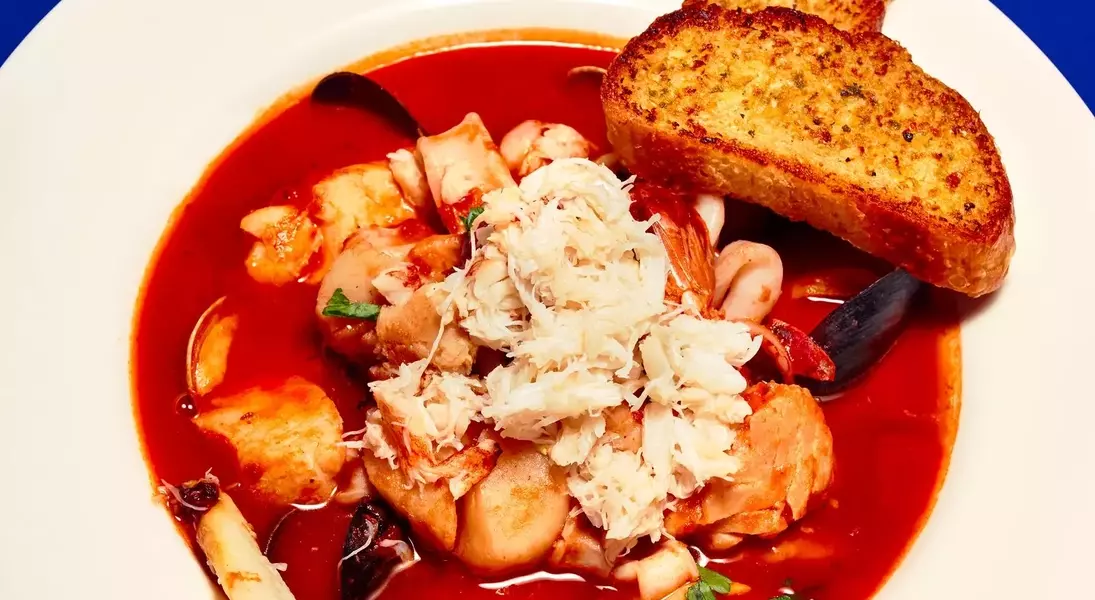
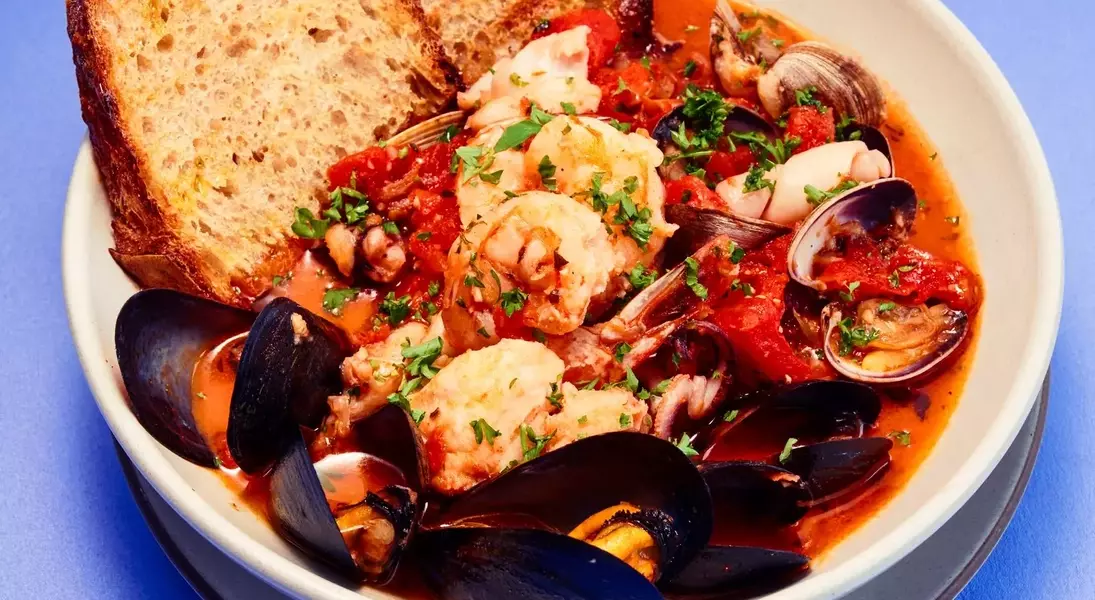
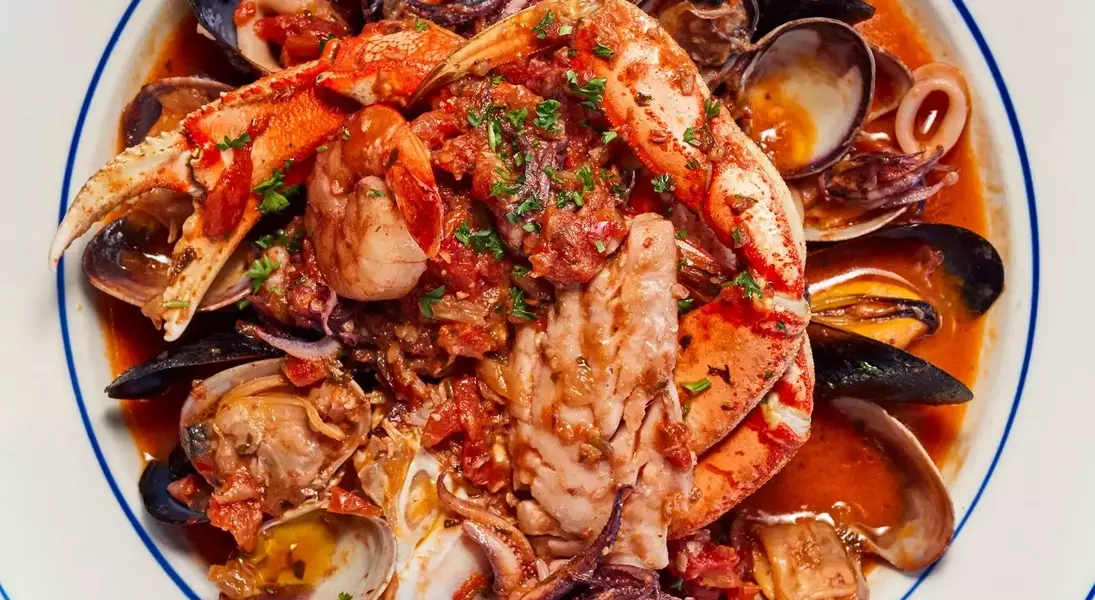
Over the decades, the fundamental character of cioppino has remained largely unchanged. It typically features an abundance of fresh shellfish like crab, mussels, and squid, complemented by firm white fish such as halibut or rockfish. The tomato-based broth is a highlight, often infused with white wine, fennel, and aromatic herbs, offering a delightful brininess that evokes the ocean's essence. Crusty sourdough bread is a non-negotiable accompaniment, perfect for soaking up every flavorful drop. For purists, Dungeness crab is an essential component, celebrating the region's prized crustacean during its limited season, though some establishments opt for frozen or canned alternatives, made palatable with generous amounts of garlic.
Sotto Mare: A North Beach Institution's Unforgettable Cioppino
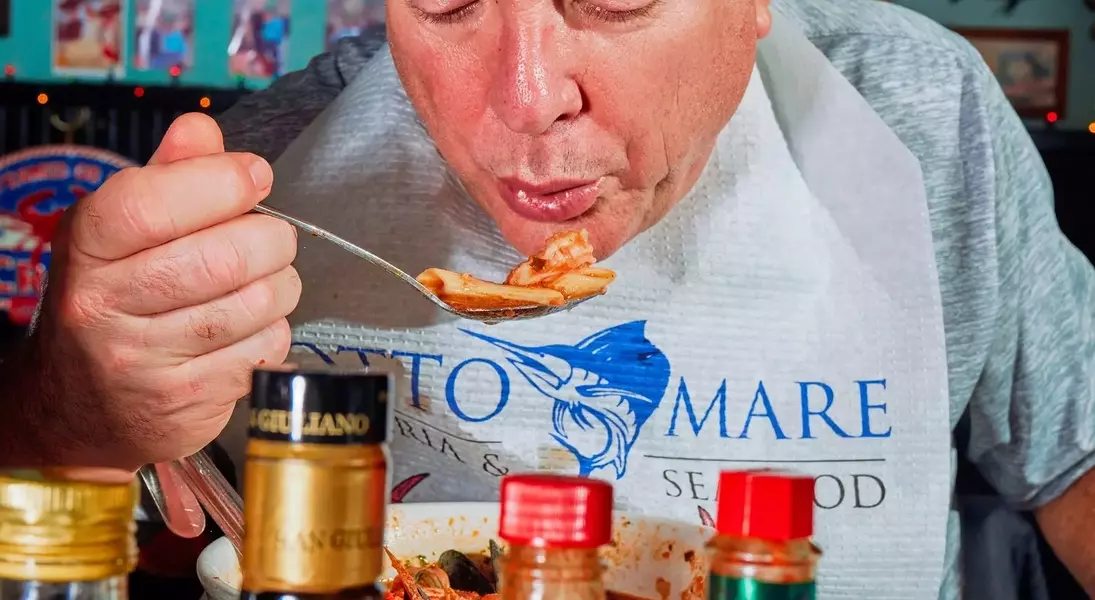
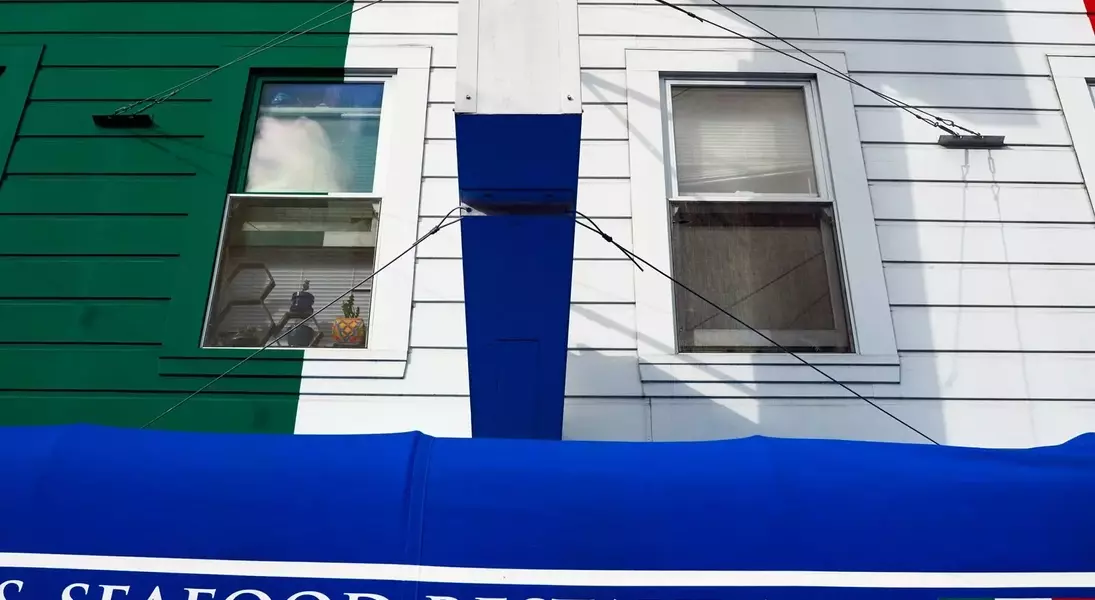
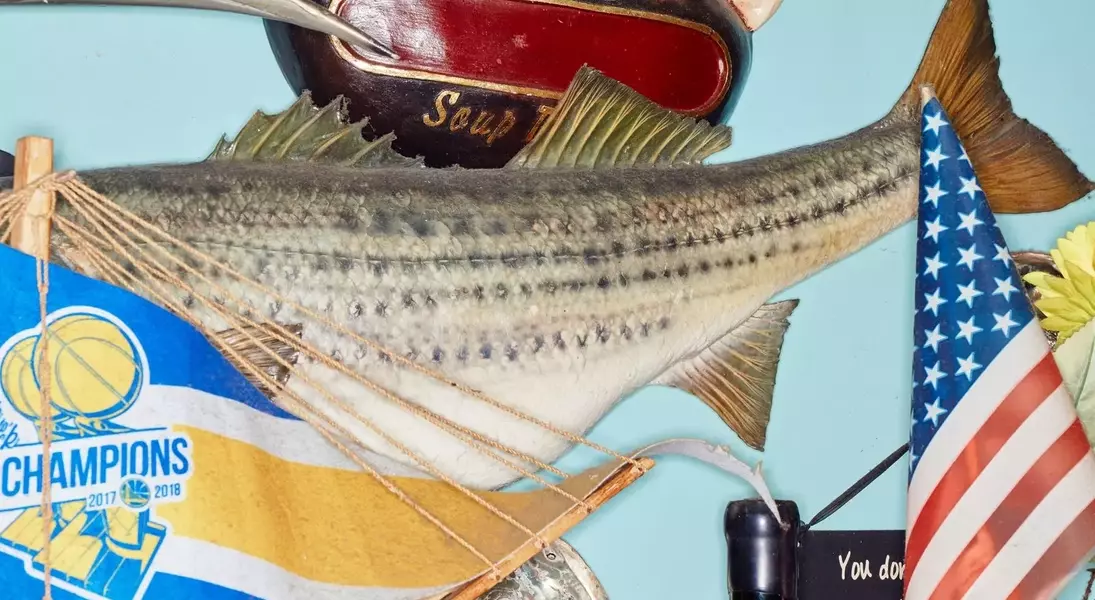
Since 2014, Sotto Mare, under the ownership of the Azzolino family, has been a beacon in North Beach, proudly proclaiming to serve "the best damn cioppino" in town. This claim is well-supported by the constant stream of locals and tourists filling its intimate dining room. The aroma of simmering garlic, coupled with sports memorabilia and taxidermied marlin, sets a distinctive scene. A single order of their cioppino, brimming with shellfish including Dungeness crab legs, squid, and shrimp, is famously generous, often enough for two or even four. A surprising yet satisfying twist is the inclusion of penne pasta within the classic tomato broth. While seating can be competitive, the barstools offer a quicker turnover for those eager to indulge.
Scoma's: A Historic Fisherman's Wharf Landmark and Its Cioppino Legacy
In 1965, brothers Al and Joe Scoma established their dockside restaurant, Scoma's, starting with a handful of stools and cherished family recipes. Over sixty years, it has evolved into a local icon, characterized by its ship cabin-like interior, featuring wood-paneled walls, cozy booths, and panoramic bay views. During winter, Dungeness crab takes center stage, appearing in various forms from cocktails to crab cakes. Their "Lazy Man's" Cioppino, a luxurious rendition with lump crabmeat, is a highlight, eliminating the need for cracking. Uniquely, they utilize a vegetable broth, sweetened with San Marzano tomatoes and fragrant Sicilian oregano, served alongside garlic bread. A Caesar salad and a barrel-aged Manhattan perfectly complement this classic experience. To streamline your visit, reservations are recommended, and complimentary valet parking is a welcome amenity.
Anchor Oyster Bar: Castro's Enduring Seafood Haven and Its Heartfelt Cioppino
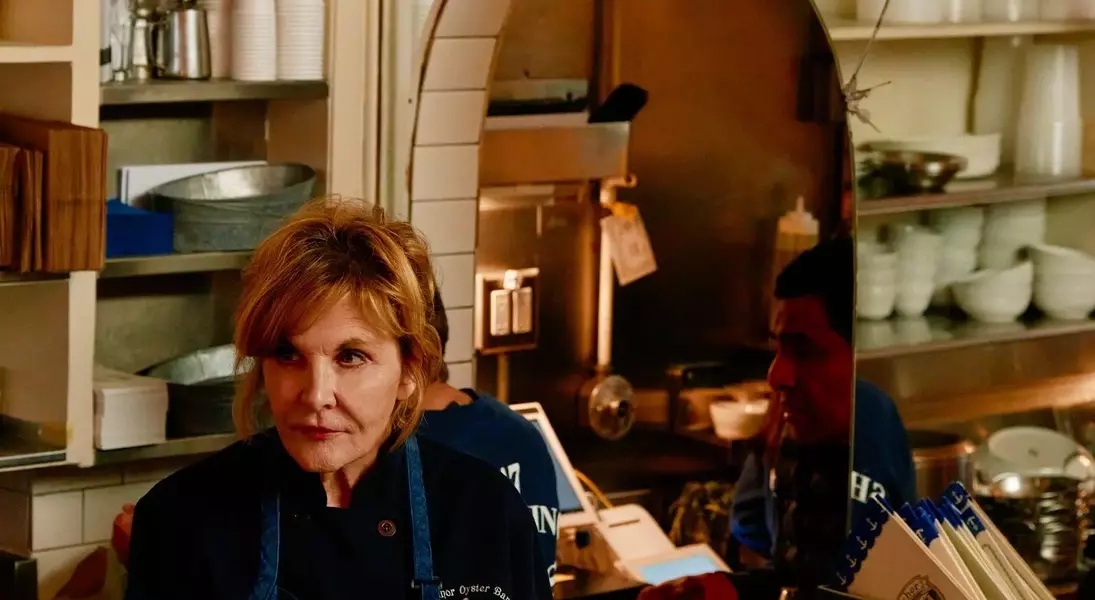
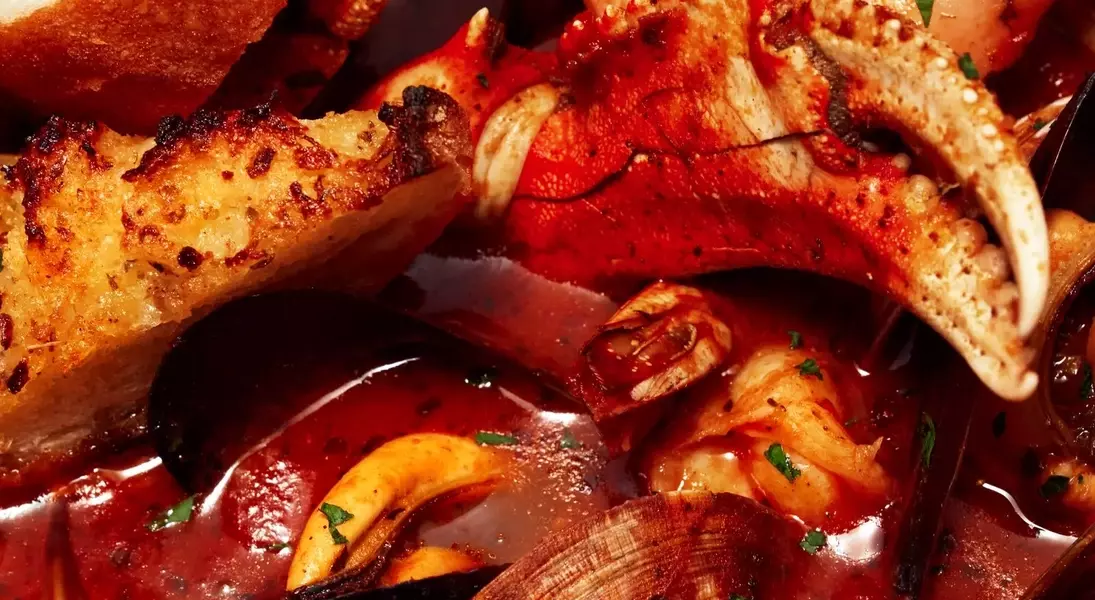
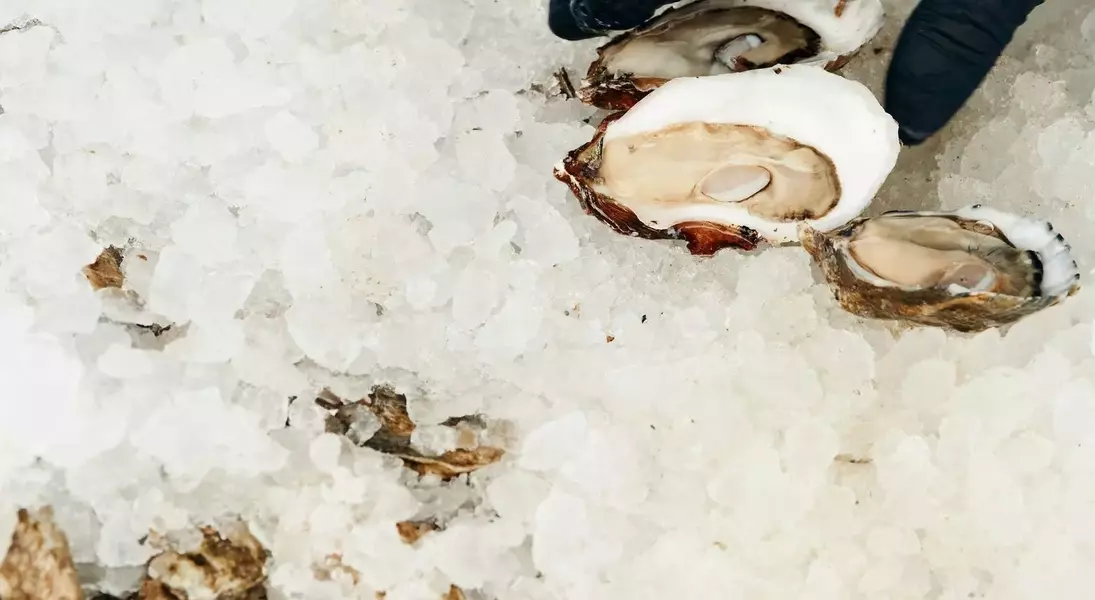
Established in 1977, with support from the late Harvey Milk, Anchor Oyster Bar has become a cherished part of San Francisco's LGBTQ+ community and holds official legacy status. Chef and owner Roseann Grimm's menu is a tribute to her Italian grandfather, an Amalfi fisherman whose North Beach oyster house was lost in the 1906 earthquake. The restaurant's snug, navy and white interior is adorned with anchors and buoys, creating a maritime ambiance. Starting with a dozen local oysters is a recommended prelude to their robust cioppino. This version features a bright yet rich broth, enhanced with fresh thyme and roasted garlic butter, consistently topped with substantial Dungeness claws and plump prawns.
Hog Island Oyster Co.: From Farm to Ferry Building, a Rustic Seafood Experience
Hog Island Oyster Farm's celebrated Sweetwater oysters are a staple on raw bar menus citywide. If a trip to their Tomales Bay source isn't feasible, their sophisticated establishment in the historic Ferry Building offers an excellent alternative. A morning visit can include a stroll through the elegant Beaux-Arts landmark, browsing the indoor food hall or outdoor farmers market, before settling down for a leisurely lunch. Their Rustic Seafood Stew, a cioppino variant, boasts Calabrian chile-infused lingcod and Manilla clams, served with grilled Acme Pain au Levain. When Dungeness crab is in season, it can be added to this already delightful stew, offering an extra touch of local luxury.
Via Aurelia: An Upscale Tuscan Interpretation of the Classic Cioppino
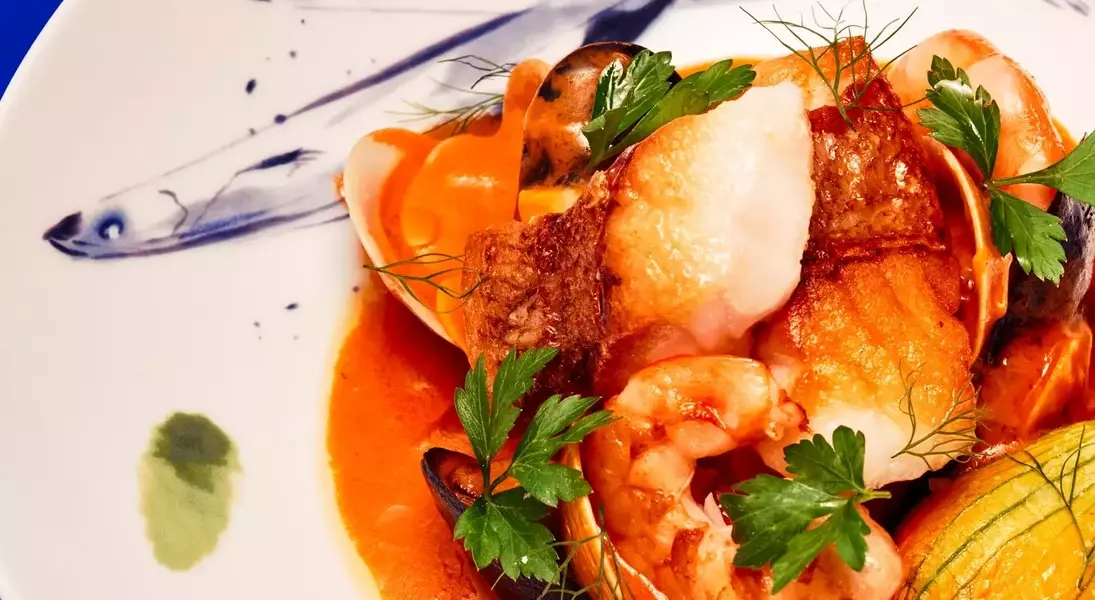
Via Aurelia, the latest and most ambitious undertaking by the team behind Che Fico, is a sprawling Tuscan restaurant adorned with opulent Italian marble and vibrant aquatic-themed frescoes. In contrast to its sister establishment's casual fare, Via Aurelia presents an elevated dining experience with a five-course tasting menu and an extensive wine list spanning Italy and beyond. Beyond exquisite porcini custard and wild boar pappardelle, a remarkable cacciucco, a precursor to cioppino, takes center stage. Chef David Nayfeld's rendition elevates this humble fisherman's stew with fine dining precision, featuring vermillion rockfish, gulf prawns, mussels, and clams, all enveloped in a velvety sauce. A scallop mousse-stuffed squash blossom adds an elegant flourish to this refined dish.
Popi's Oysterette: A Modern Addition with Seasoned Expertise in Cioppino
Popi's Oysterette, though a relatively recent addition to Chestnut Street since 2023, benefits from the extensive experience of Chef Abel Padilla, who spent 18 years at Hog Island Oyster Bar. His expertise, coupled with his Honduran coastal upbringing, is evident in a menu that seamlessly blends moules frites with Dungeness-stuffed aguacate, Baja-style shrimp tacos, and refreshing clam ceviche. Their cioppino features a silky lobster stock, fresh fennel, and spicy Calabrian chiles, adhering to the Hog Island philosophy of using Dungeness crab only when it's in season. Unlike some older, more established venues, Popi's offers the convenience of reservations.
Nick's Cove: A Scenic Coastal Retreat's Heartwarming Cioppino
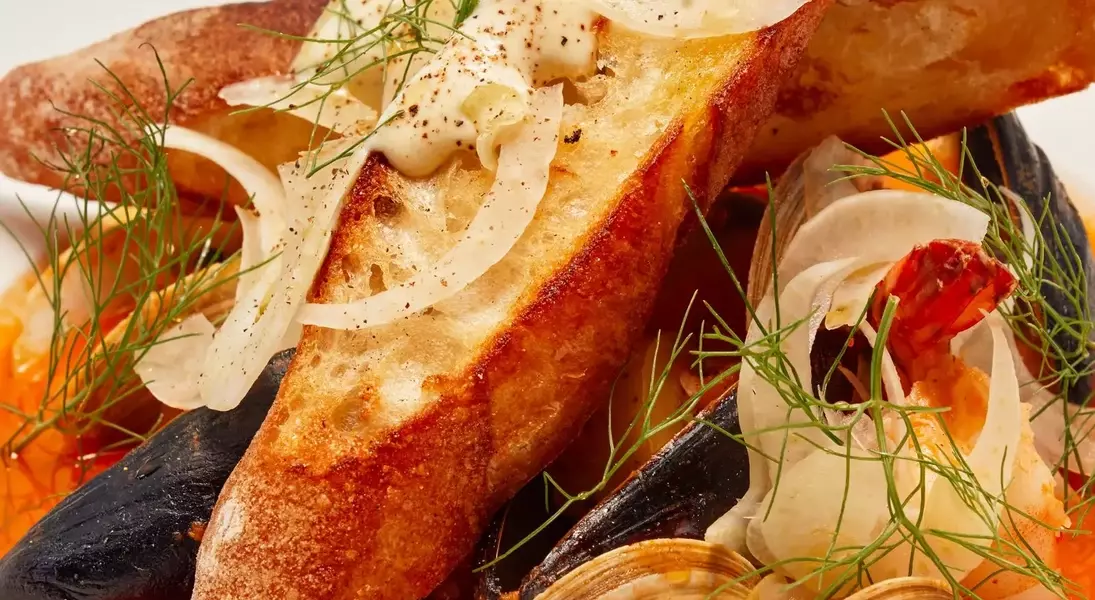
For those willing to venture across the Golden Gate Bridge to Tomales Bay, Nick's Cove offers a picturesque stop along Highway One. This charming establishment features waterfront cottages and a rustic restaurant, dating back to the 1930s, complete with a stone fireplace and stag heads. Chef Matt Alfus, a former chef at Hog Island Oyster Farm, draws inspiration from the restaurant's seaside heritage and local ingredients from Marin and Sonoma Counties, including produce from their own garden. Their comforting cioppino is uniquely garnished with a generous dollop of aioli and thinly sliced backyard fennel and fronds. Other coastal favorites, such as the sticky-sweet barbecued oysters and clam chowder, are also highly recommended. For an extended escape, the adjoining pet-friendly inn offers overnight accommodations.
Barbara's Fishtrap: Half Moon Bay's Historic Seafood Shack and Its Beloved Cioppino
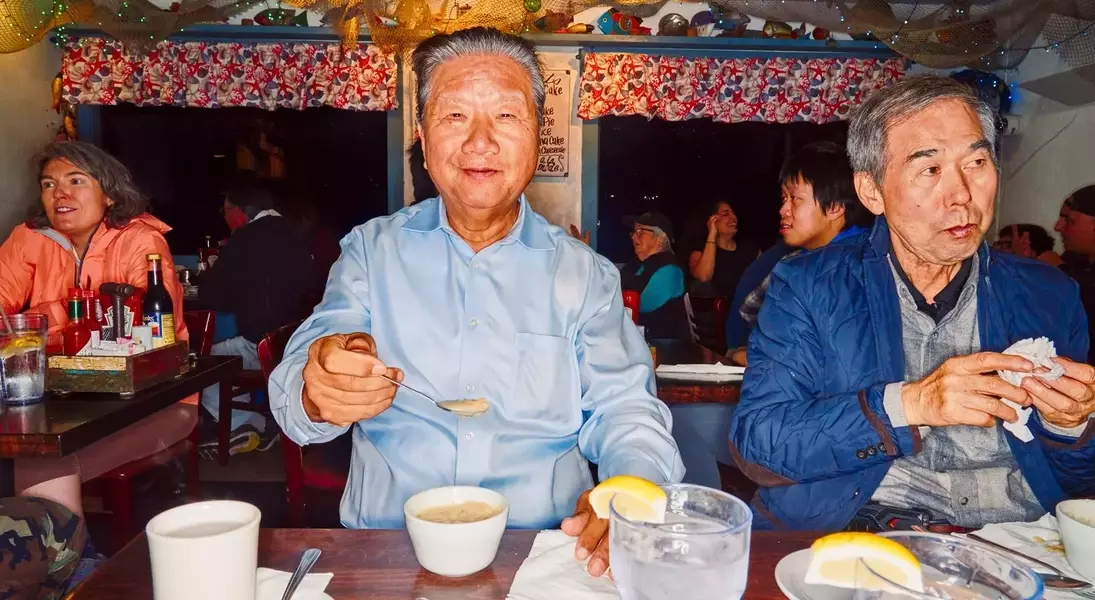
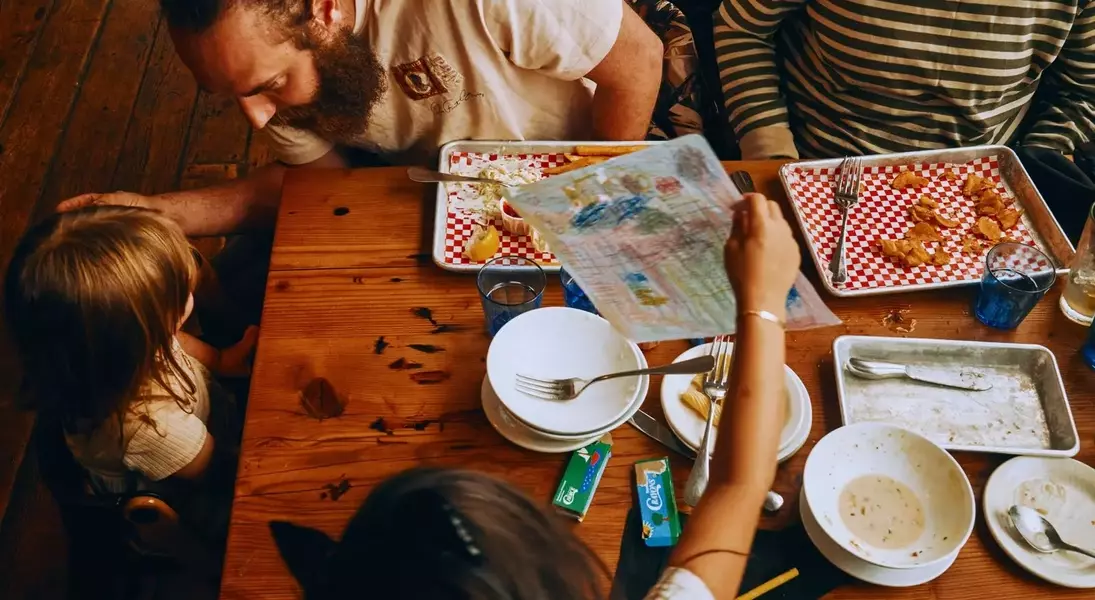
A short drive south of the city leads to Barbara's Fishtrap in Half Moon Bay, a storied fish shack taken over by Barbara Walsh in 1978, once frequented by Marilyn Monroe and Joe DiMaggio. Since Walsh's passing in 2017, her daughter Melodie Madsen and granddaughter Angie Howard have continued the legacy. The ocean-blue dining room, adorned with fish nets and twinkle lights, retains its enchanting atmosphere. Long lines form for their legendary fish and chips in summer and, in winter, for their cioppino, which features half a crab nestled in a buttery, garlicky broth. It's crucial to confirm that Dungeness season has officially commenced before visiting, as they strictly adhere to this seasonal availability for their cioppino.
