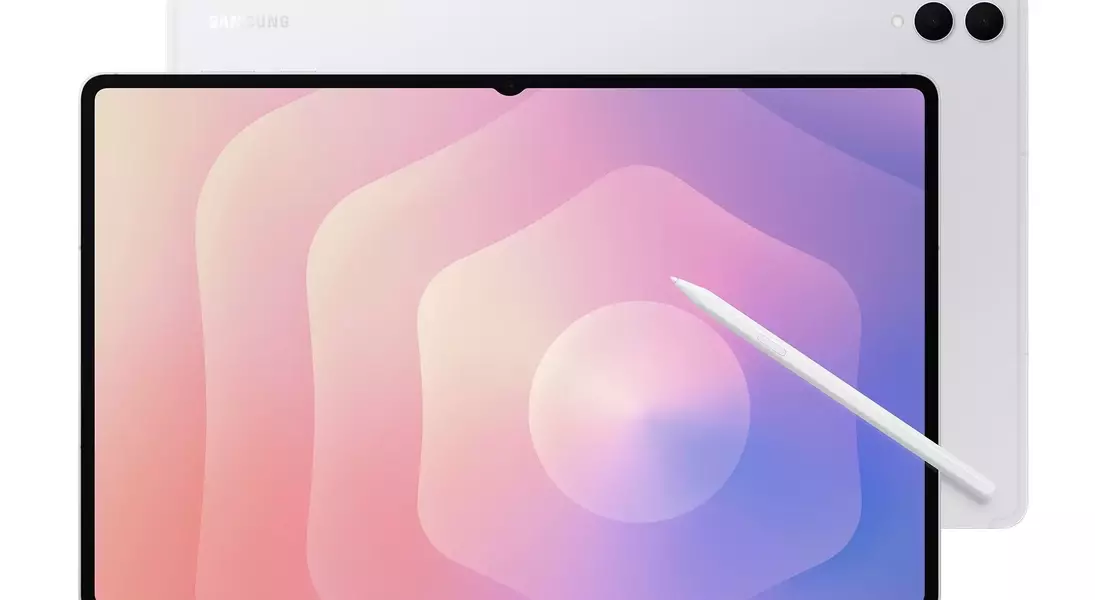
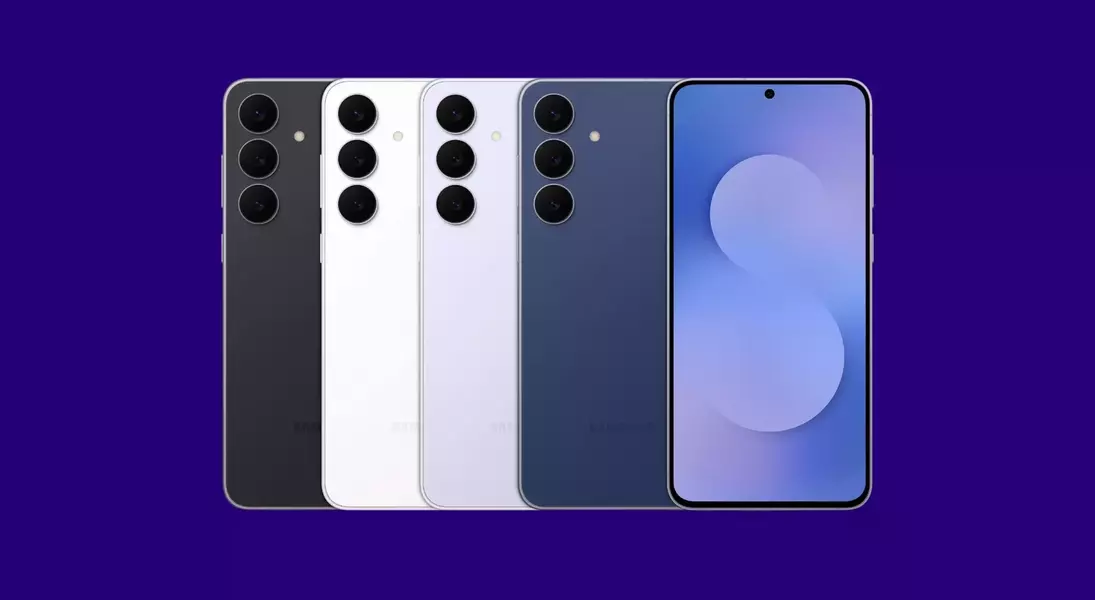
Samsung is once again venturing into the 'Fan Edition' smartphone category with the introduction of the Galaxy S25 FE. This device is positioned as a cost-effective option for consumers desiring a larger display, maintaining the $650 price point and a 6.7-inch screen size seen in its predecessor. Complementing this release, Samsung has also unveiled two new additions to its tablet lineup: the premium Galaxy Tab S11 Ultra, boasting an expansive 14.6-inch screen, and the more compact Galaxy Tab S11, featuring an 11-inch display. These new tablets are priced at $1,199 and $799, respectively, offering a range of choices for users seeking varying screen real estate and performance.
Initial reports indicate that all three devices prioritize sleek design, being notably thinner and lighter than their previous iterations. The Galaxy S25 FE receives notable upgrades including an increased battery capacity, from 4,700mAh to 4,900mAh, and an improved 12-megapixel front-facing camera, a step up from the previous 10-megapixel sensor. While its 8-megapixel telephoto lens with 3x optical zoom may not match the higher-end Galaxy S25 and S25 Plus models, it still offers a significant advantage. Powering the S25 FE is an Exynos 2400 chipset, paired with 8GB of RAM and storage options of 128GB or 256GB. Furthermore, the new Galaxy Tab S11 Ultra distinguishes itself with an anti-reflective display coating, a feature that enhances usability, particularly for a device that aims to serve as a laptop substitute. A notable inclusion with both new Galaxy Tab models, unlike some competitors, is a stylus right out of the box, offering immediate creative and productivity potential. All three newly announced devices will operate on Samsung's One UI 8, built upon Android 16, ensuring a contemporary and intuitive user interface from launch.
The continuous evolution of technology, as demonstrated by these new offerings from Samsung, reflects an ongoing commitment to innovation and accessibility. By providing high-quality devices across different price points and feature sets, companies empower consumers to choose tools that best suit their needs and aspirations. This progress not only enhances individual productivity and connectivity but also fosters a dynamic environment where advancements in design and functionality become stepping stones for future breakthroughs, ultimately contributing to a more interconnected and capable society.
