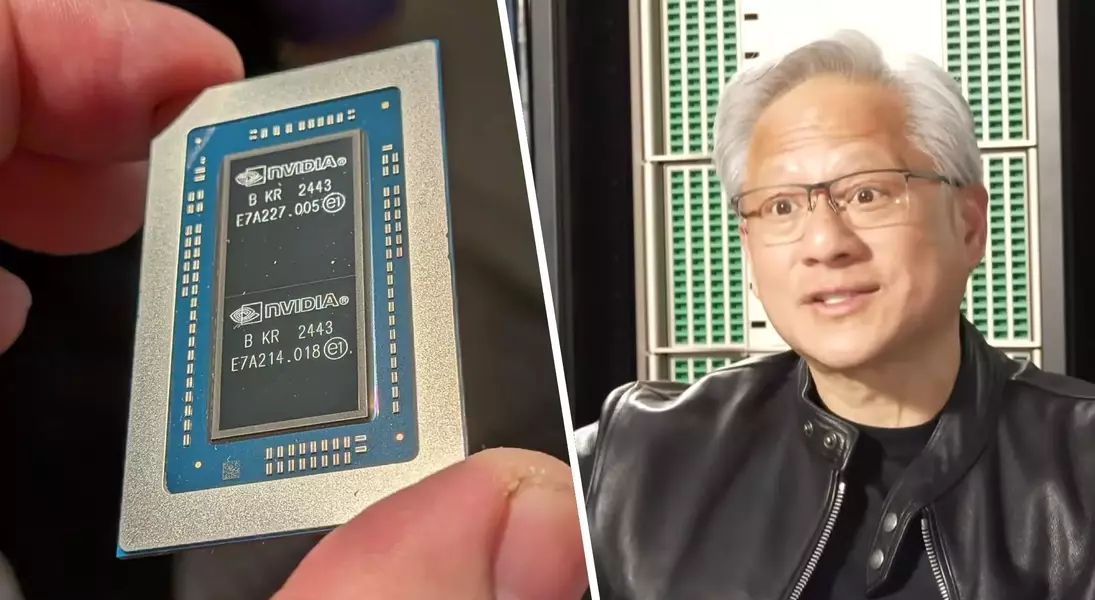
In a significant development for the hardware industry, the year 2026 is shaping up to be a period of expansive innovation, with companies venturing into uncharted territories with novel architectures. Following Nvidia's recent introduction of its RTX Spark, a dedicated desktop and mobile processor, Samsung appears to be making a strategic entry into this evolving landscape. The tech giant is reportedly in the process of creating its own Arm-based chip, codenamed 'Gaia,' intended for the burgeoning 'AI PC' sector.
Samsung Enters AI PC Arena with 'Gaia' Processor
This strategic move by Samsung signifies a growing trend where major players diversify their hardware offerings. The new 'Gaia' processor, named somewhat ironically given the significant energy consumption associated with AI data centers, is poised to challenge established and emerging competitors like Nvidia's RTX Spark and Qualcomm's Arm-based chips. Sources from the Seoul Economic Daily indicate that the Samsung Gaia chip will utilize a 4nm manufacturing process, a technology currently employed by AMD and Nvidia through TSMC. However, Samsung's 4nm technology, despite not being as widely adopted initially, has seen increasing traction over the past year, making it a viable foundation for this new PC-focused endeavor. Production is reportedly targeted for as early as next year, and Samsung is already in discussions with various PC manufacturers regarding the supply of this innovative chip. While Samsung possesses extensive experience in System-on-Chips (SoCs) through its Exynos mobile processors, the success of this venture in the PC domain remains to be seen. Nevertheless, this new competition is anticipated to drive down prices and foster innovation within the processor market.
The increasing viability of Windows on Arm, particularly with advancements like emulation via Prism and the impressive native performance seen in titles like Alan Wake 2 on RTX Spark laptops, has paved the way for such a development. While many applications will still rely on emulation, the overall progress in Arm-based computing provides a fertile ground for new entrants like Samsung. This venture could usher in a new era of diverse and competitive processors, ultimately benefiting consumers through enhanced options and potentially more accessible pricing for cutting-edge technology.
