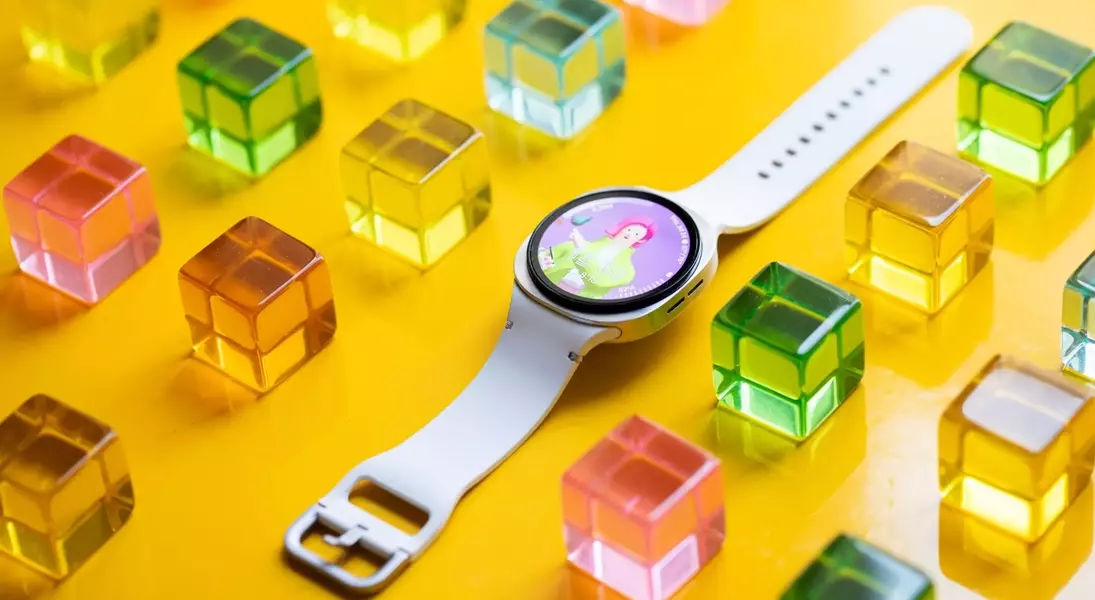
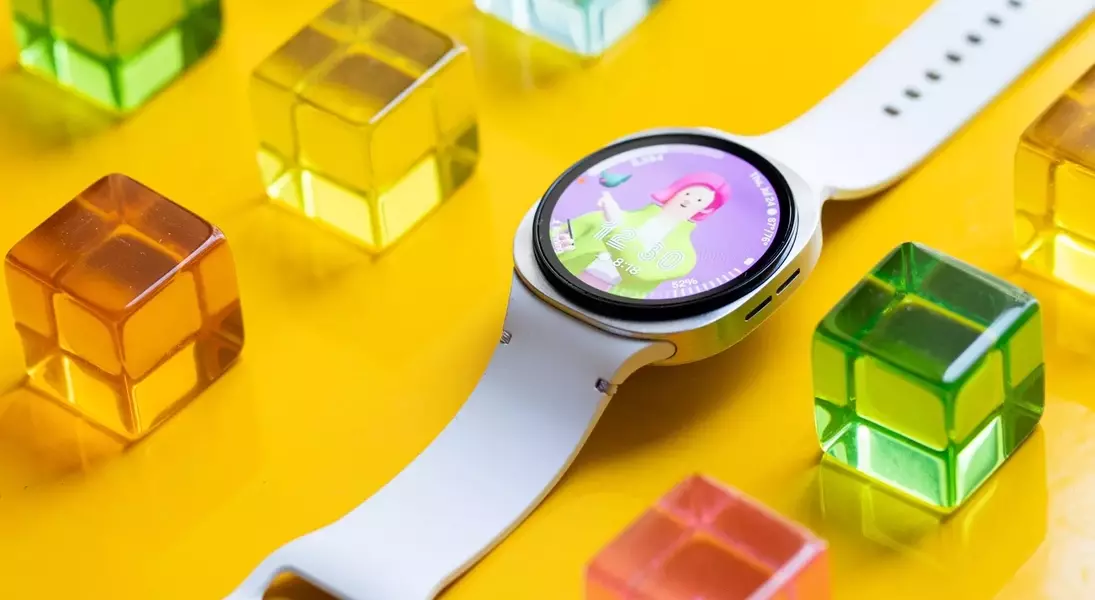
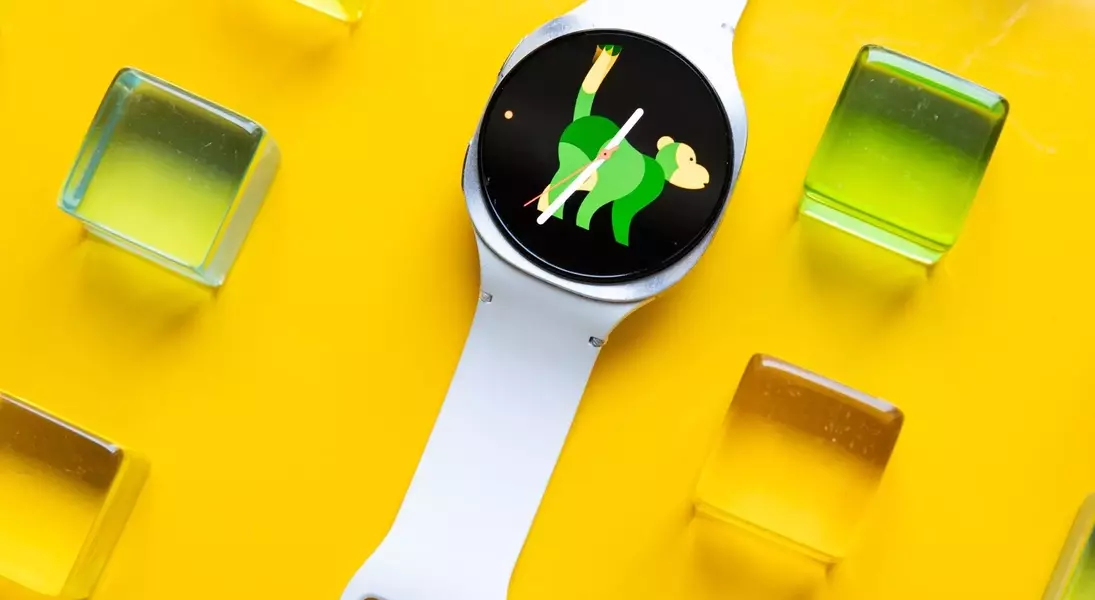
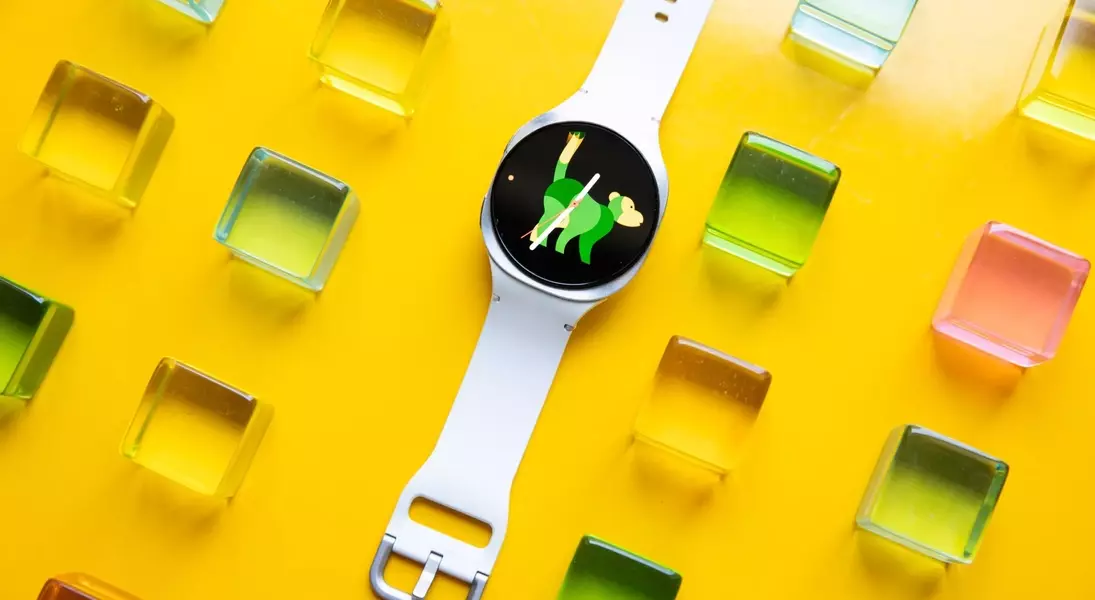
Samsung's newest wearable, the Galaxy Watch 8, continues the company's tradition of producing dependable smartwatches. While it may not represent a groundbreaking leap forward, its iterative enhancements offer a solid experience for both new users and existing Samsung smartwatch aficionados. The most notable aesthetic shift is the 'squircle' design, a blend of square and circle, which, despite initial skepticism, integrates seamlessly and comfortably on the wrist, offering a thinner profile than its predecessors. Performance-wise, the device largely mirrors the Galaxy Watch 7, utilizing the same processor and BioActive sensor, with only minor battery capacity increases that translate to similar daily charging needs, though it consistently delivers sufficient power for a full day's use. The display boasts enhanced brightness, reaching 3,000 nits, which, while an improvement, may not be dramatically noticeable in all conditions.
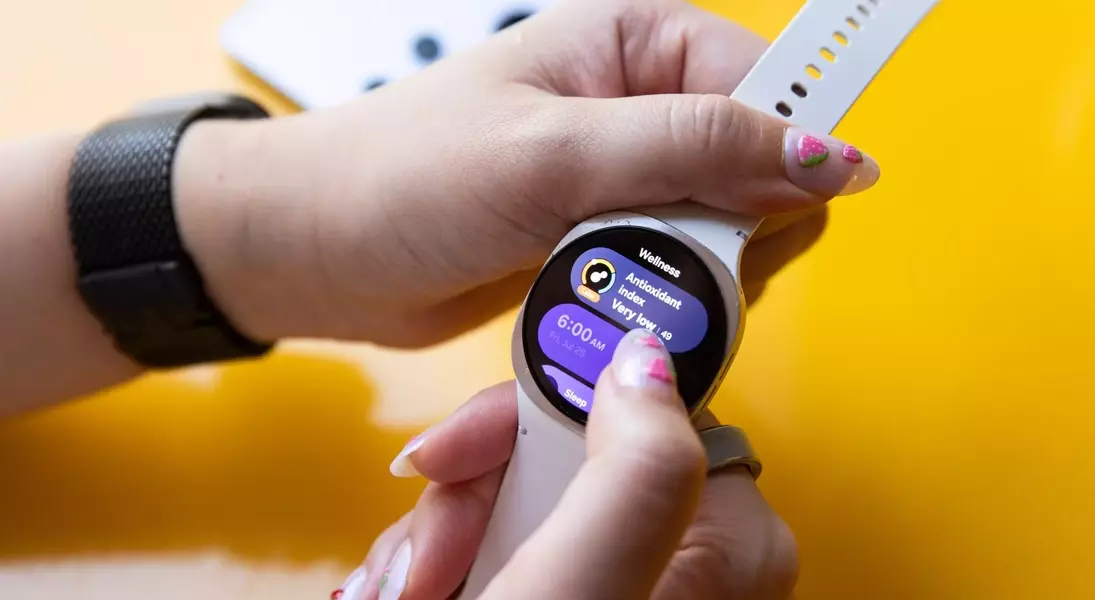
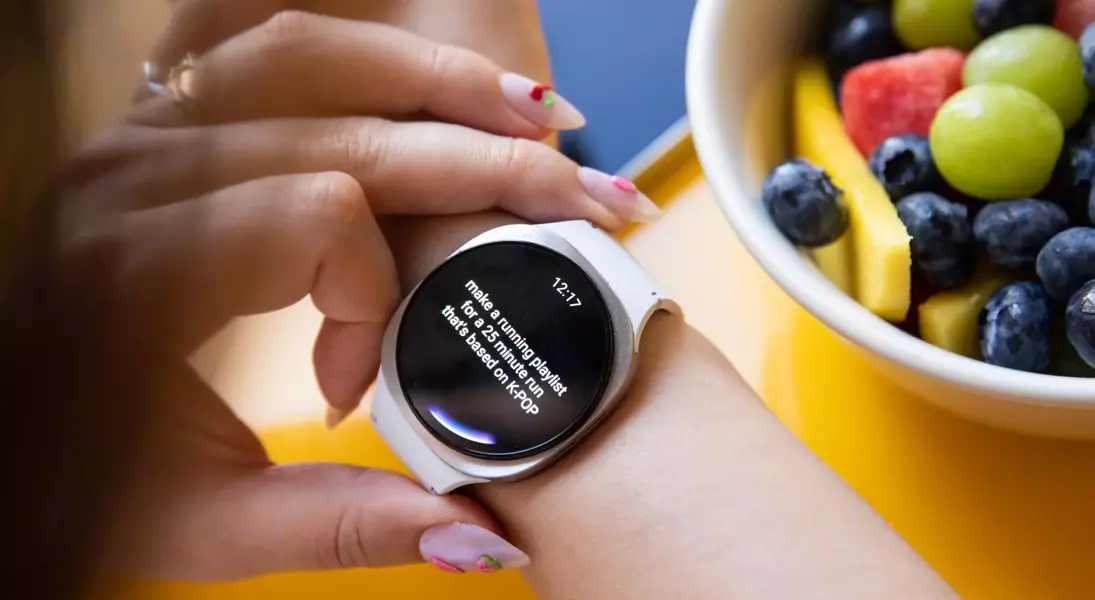
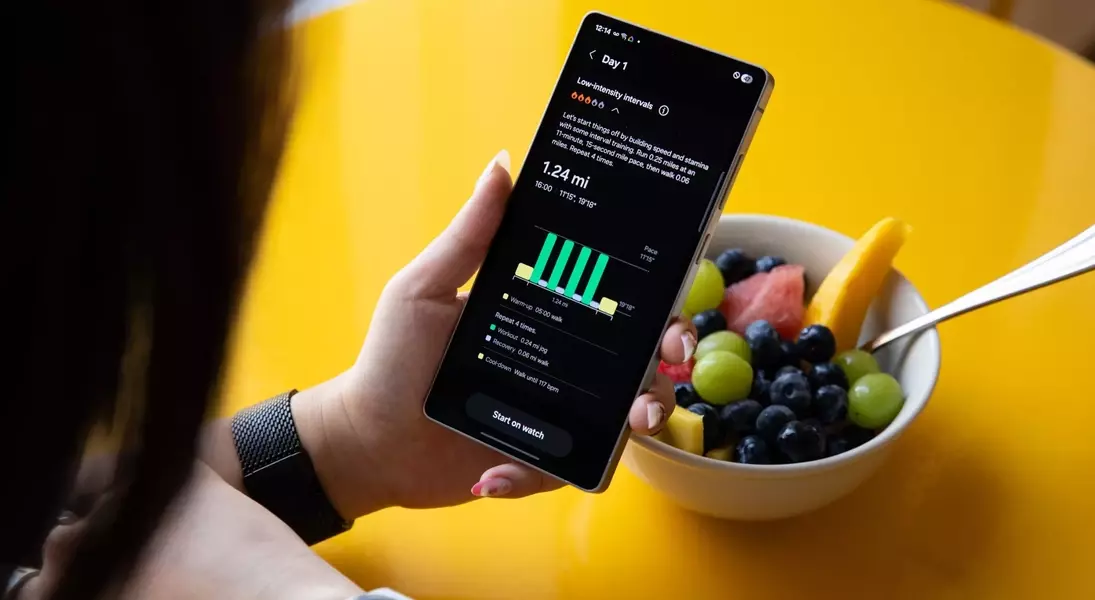
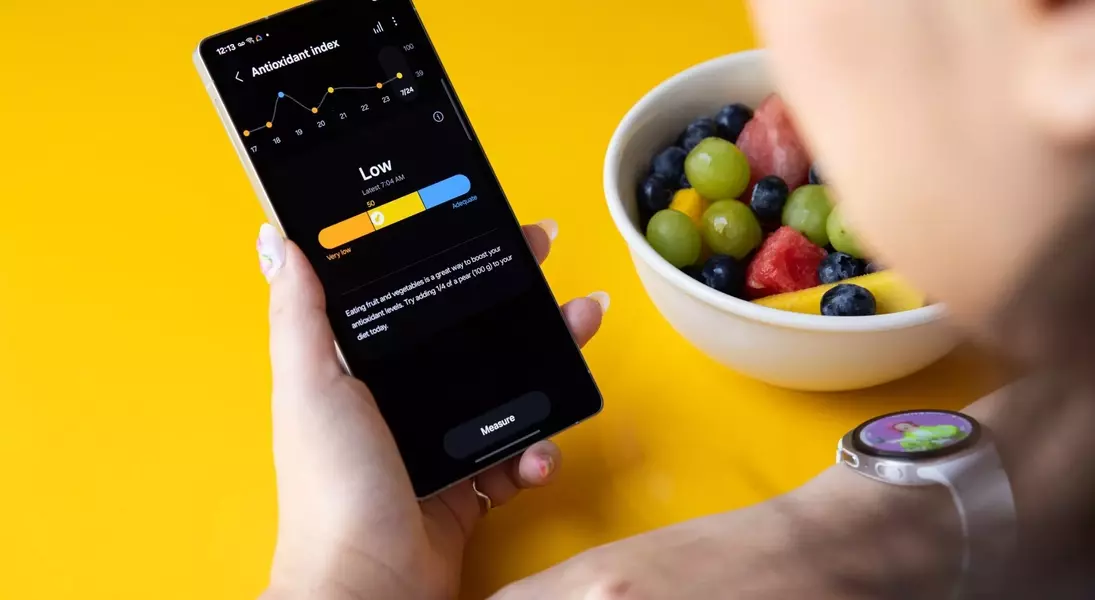
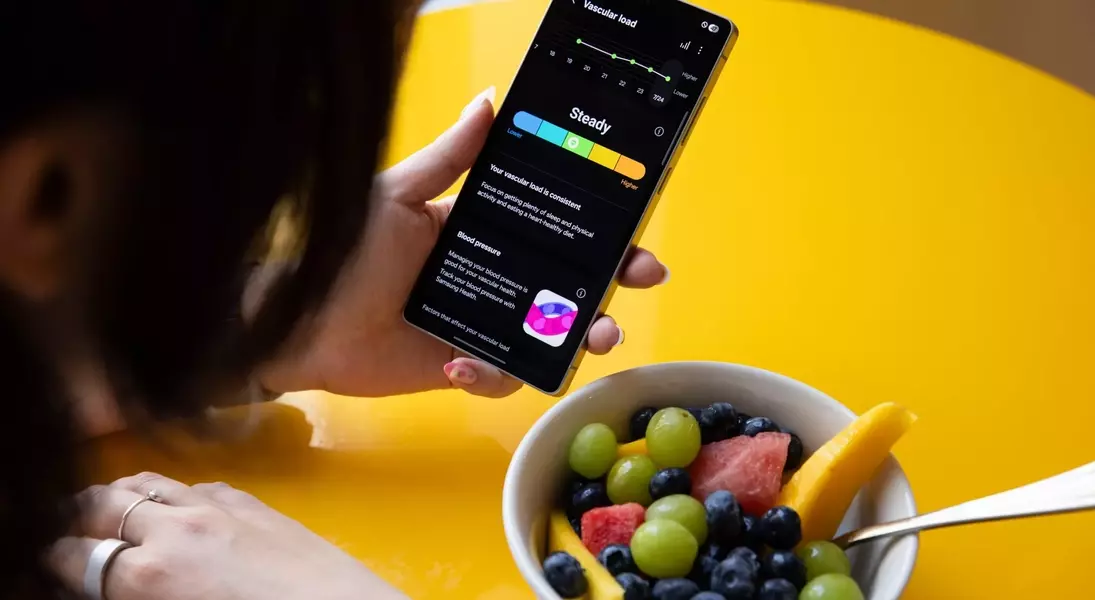
A key focus of the Galaxy Watch 8 is the integration of Gemini AI, a feature that holds significant potential for hands-free interactions and complex task management. While Gemini demonstrates promise in its ability to handle intricate, multi-step queries, its practical utility can be inconsistent, often requiring user patience and experimentation to achieve desired results. For those accustomed to the immediate efficiency of simpler voice assistants, Gemini's current iteration might present a learning curve, potentially leading some users to revert to manual phone operations for quicker outcomes. Complementing the AI, the watch introduces several new health metrics: an Antioxidant Index designed to measure carotenoid levels (which can be surprisingly deceived by certain foods) and Vascular Load, a somewhat ambiguous metric for assessing vascular system stress. While these features aim to provide deeper health insights, their practical long-term value for the average user remains to be seen, with the Running Coach program standing out as the most refined and actionable health tool for fitness enthusiasts.
Ultimately, the Galaxy Watch 8 is a competent device, maintaining Samsung's standard for quality and functionality in the smartwatch segment. However, its modest enhancements and a slight increase in price, coupled with the experimental nature of some new features, position it as a steady evolution rather than a compelling upgrade. This release highlights a period of cautious innovation for Samsung in the wearables space, especially when compared to more adventurous offerings like the Galaxy Watch Ultra or Galaxy Ring. The question remains whether Samsung can push beyond incremental improvements to deliver truly transformative smartwatch experiences that distinguish its offerings in an increasingly competitive market.
It is crucial for consumers to critically evaluate the terms and conditions associated with smart devices. While the Samsung Galaxy Watch 8 offers impressive features, its use necessitates agreement to a range of terms from both Samsung and Google. These include mandatory agreements for basic functionality and additional permissions for specific features like health monitoring or payment services. Users should be aware that their data privacy and the terms of service can evolve with software updates and third-party applications, underscoring the importance of understanding what you are agreeing to when adopting new technologies.
