In the dynamic realm of artificial intelligence, a prominent figure has voiced a compelling caution, suggesting that the industry's rapid ascent may be indicative of an emerging speculative bubble. This perspective, coming from a leader at the forefront of AI innovation, urges a nuanced consideration of the current market fervor. It highlights the inherent risk when collective excitement potentially outpaces the foundational value, drawing interesting parallels to historical financial phenomena that saw exuberant investment ultimately lead to market corrections. The discourse underscores a critical juncture where the transformative potential of AI intersects with economic realities and investor sentiment.
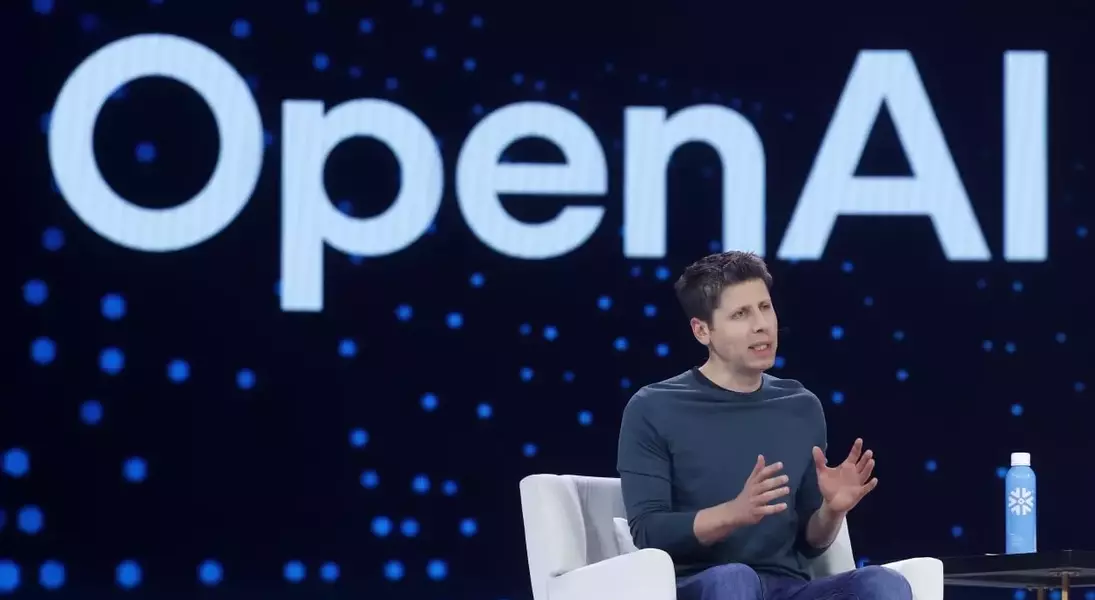
Sam Altman, the chief executive of OpenAI, recently shared his insights during a dinner gathering with reporters in San Francisco. He observed that while artificial intelligence represents a profoundly important technological advancement, possibly the most significant in a considerable period, there's a tangible risk of overzealous investment. Altman articulated his belief that \"when bubbles happen, smart people get overexcited about a kernel of truth.\" He drew parallels to the dot-com era, noting that the internet was indeed a monumental development, yet it led to an irrational exuberance among investors that inflated asset values beyond their intrinsic worth. This phenomenon, where the price of an asset disconnects from its fundamental value due to speculative buying, is characteristic of an economic bubble.
The concept of a bubble, as defined by financial experts, describes a situation where asset prices escalate far beyond their actual value, driven largely by speculation and inflated expectations rather than intrinsic worth. History offers numerous examples, from the infamous dot-com surge of the late 1990s to the cryptocurrency boom and the housing market frenzy of the 2000s. These events illustrate how collective excitement can lead to irrational investment decisions. A key challenge in identifying a bubble is the lack of universal agreement on an asset's true underlying value, making real-time detection incredibly difficult. Opinions diverge on whether the current AI landscape truly constitutes such a bubble. Some analysts, referencing the rapid expansion of AI, suggest it could potentially surpass the scale of the internet bubble, while others maintain that the robust underlying fundamentals of the AI supply chain support continued substantial investment, indicating sustained growth rather than an impending crash.
Despite his cautionary stance on potential overvaluation, Altman remains highly ambitious about OpenAI's future trajectory. He highlighted ChatGPT's current standing as one of the world's most frequented websites and expressed aspirations for it to surpass platforms like Instagram and Facebook in popularity. However, he acknowledged the formidable challenges that lie ahead, particularly in outpacing a digital titan like Google. A critical element for OpenAI's continued scaling, irrespective of market sentiment, is the acquisition of more graphical processing units (GPUs). Altman anticipates that OpenAI will commit trillions of dollars to data center infrastructure in the foreseeable future, underscoring the immense computational demands required to fuel the ongoing advancements and expansion of AI capabilities.
The current landscape of artificial intelligence is characterized by a fascinating dichotomy: immense potential on one hand, and the looming shadow of speculative overinvestment on the other. This period demands a discerning approach, acknowledging the genuine breakthroughs AI offers while remaining vigilant against the historical patterns of market irrationality. Navigating this complex environment requires balancing innovation with fiscal prudence, ensuring that the foundational strength of the technology underpins its market valuation, thus paving the way for sustainable growth rather than cyclical boom and bust.
