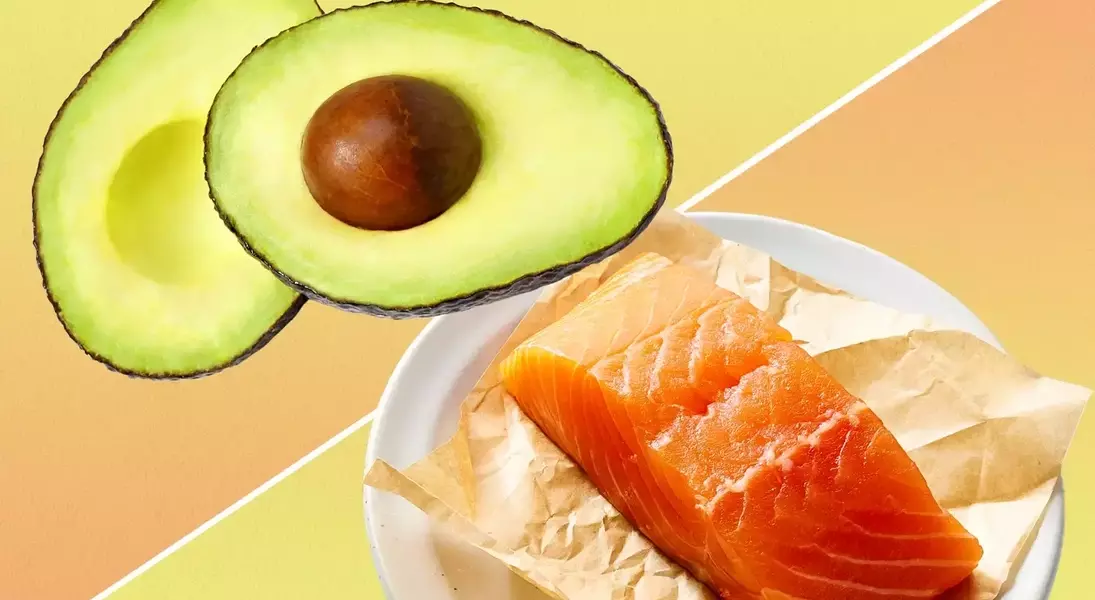
When considering foods that boost brain health, salmon often takes center stage due to its rich content of omega-3 fatty acids. However, avocados have also emerged as significant contributors to cognitive well-being, albeit through different mechanisms. This article delves into the unique benefits of each food, emphasizing that a holistic approach incorporating both into one's diet may be the most effective strategy for supporting long-term brain function.
Salmon is highly lauded for its neuroprotective qualities, primarily attributed to its abundance of eicosapentaenoic acid (EPA) and docosahexaenoic acid (DHA), two crucial omega-3 fatty acids. Grace D. Garrett, a registered dietitian, underscores that salmon provides these compounds in a readily usable form, allowing the brain to integrate them directly without extensive metabolic conversion. DHA, in particular, is a major structural component of brain cells, maintaining the integrity and fluidity of neuronal membranes, which is essential for efficient communication between brain cells.
Beyond structural support, salmon also plays a critical role in mitigating inflammation and offering neuroprotection. Chronic inflammation is a known factor in cognitive decline, and the EPA and DHA in salmon help modulate inflammatory pathways in the brain. Karen E. Todd, another expert, points out that salmon also provides other vital nutrients such as vitamin D, B12, selenium, iodine, and astaxanthin. Astaxanthin, the pigment responsible for salmon's pink color, acts as a powerful antioxidant, combating oxidative stress in brain tissues. Vitamins B12 and D are equally important for nerve function and maintaining overall cognitive health.
Conversely, avocados support brain health through distinct pathways, focusing on vascular function and cellular protection rather than direct omega-3 supply. They are rich in monounsaturated fats, predominantly oleic acid, which Garrett explains are instrumental in enhancing cerebral blood flow. This improved circulation ensures a consistent supply of oxygen and glucose to the brain, vital for maintaining focus, clarity, and cognitive resilience over time. Avocados also contain lutein, a carotenoid antioxidant concentrated in brain tissue and associated with improved cognitive function. Additionally, they are a source of glutathione, often called the "master antioxidant," which helps counteract oxidative stress throughout the body and brain. Studies indicate that higher glutathione levels correlate with better working and episodic memory in older adults.
Ultimately, the consensus among experts is that neither salmon nor avocado is inherently superior; rather, they offer complementary benefits. Salmon provides direct structural and anti-inflammatory support through DHA and EPA, while avocados bolster brain health via enhanced blood flow and antioxidant protection. Integrating both into a balanced eating plan, alongside other nutrient-dense foods like whole grains and vegetables, represents a comprehensive strategy for nurturing cognitive well-being. Dietary guidelines from organizations such as the American Heart Association advocate for regular consumption of fatty fish and suggest incorporating avocado into daily meals for optimal brain health.
