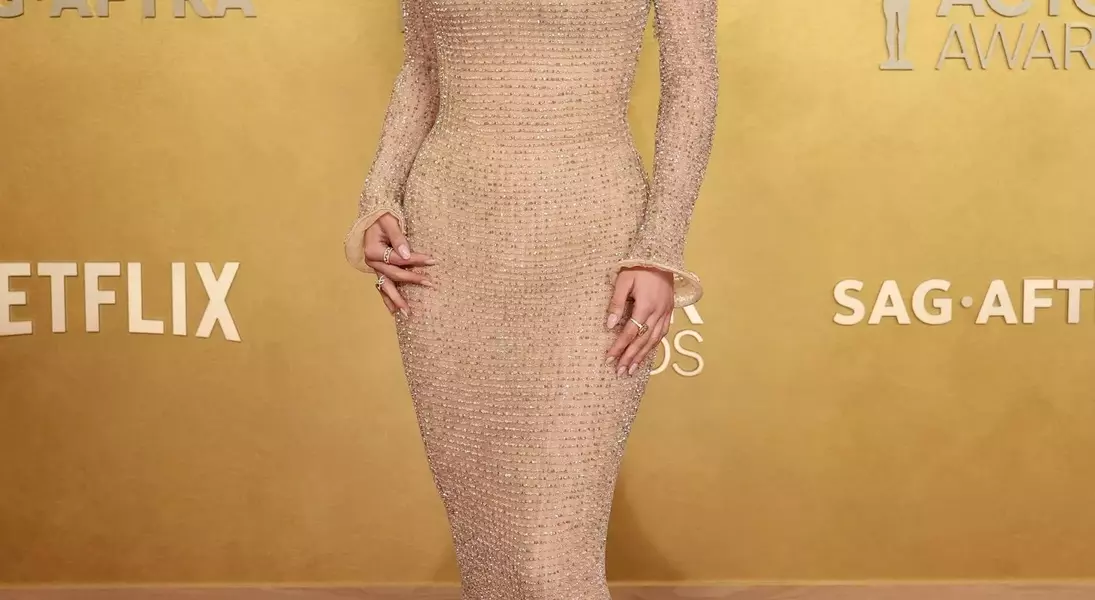
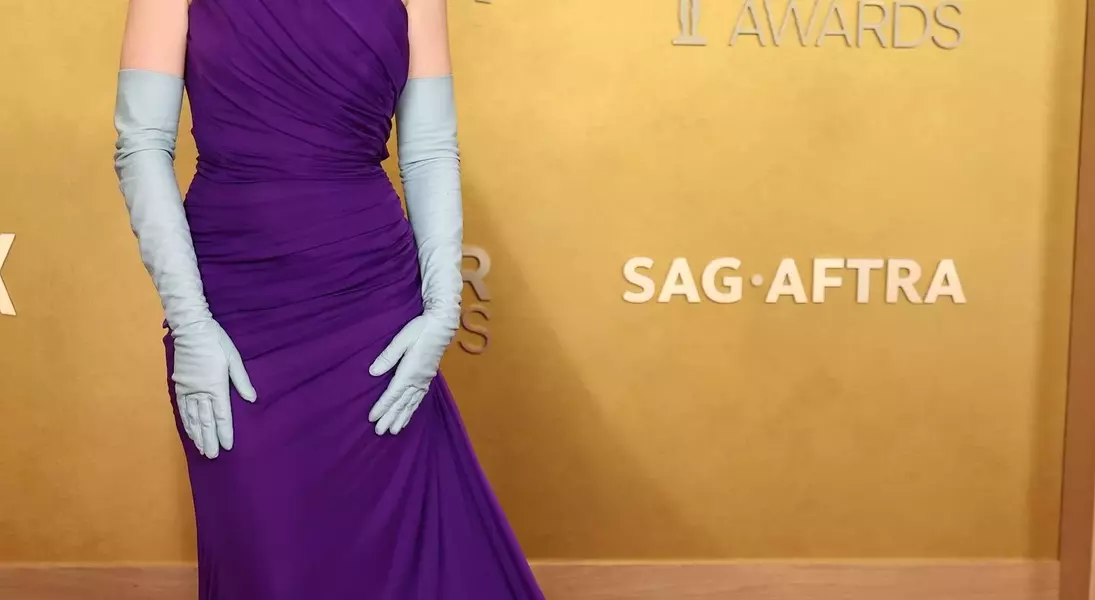
For the first time in its history, the SAG Awards, now rebranded as the Actor Awards, imposed a strict dress code for its red-carpet event. The directive called for attendees to embody "Hollywood Glamour from the '20s and '30s." This sartorial mandate, however, sparked considerable debate and led many to question its practicality and impact on the overall event.
Historically, dress codes at prestigious events are not unprecedented. The 1968 Academy Awards, for instance, saw costume designer Edith Head issue a request for formal, floor-length gowns in pastel shades to maintain dignity. Similarly, in 2021, the Oscars producers encouraged an "Inspirational and Aspirational" aesthetic, advising against overly casual attire. The rationale behind the Actor Awards' decision was to foster a unified aesthetic, as other awards shows often feature a more eclectic mix of styles. Yet, the chosen theme, encompassing two distinct decades, presented a dilemma for participants, leading to varied interpretations. The fashion of the Roaring Twenties, characterized by flapper dresses, sharply contrasts with the body-conscious bias cuts popular towards the end of the 1930s, making a cohesive interpretation difficult. Consequently, some attendees, like Jasmine Savoy Brown and Kristen Bell, opted for classic, gilded gowns, while others, such as Yerin Ha, offered a modern, abstract nod to the era with a fringed Balenciaga top.
Implementing such a specific dress code places a significant burden on actors, stylists, and brands. While black-tie events offer a broad spectrum of choices, a narrow theme can restrict creativity and clash with existing brand partnerships. Many brands may not readily offer attire suitable for a 1920s or 1930s glamour brief, and for those without extensive brand support, finding appropriate outfits becomes an additional hurdle. Ultimately, personal preferences and external pressures led many to disregard the theme entirely. This raises a fundamental question: is a strict dress code truly necessary for awards shows? Given that most attendees naturally gravitate towards formal wear, as evidenced by the rarity of casual attire on such occasions, a more flexible approach might better foster innovation and personal expression without compromising the elegance of the event.
In the realm of grand celebrations like the SAG Awards, the true essence lies not in rigid adherence to sartorial rules, but in celebrating individual talent and creative expression. While a unifying theme can add a touch of cohesion, authentic style emerges when artists are free to interpret glamour through their own unique lens, inspiring audiences with their confidence and individuality. Ultimately, the spirit of any esteemed event is elevated by the collective brilliance and genuine artistry of its participants, fostering a sense of aspiration and wonder that transcends mere clothing.
