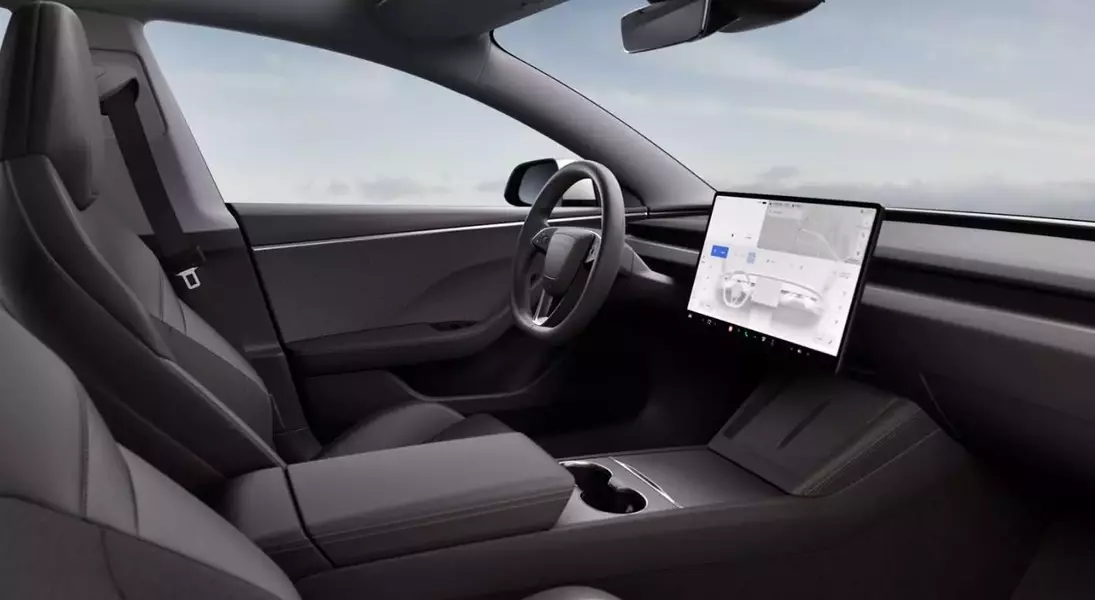
In the evolving automotive landscape, two prominent compact sedans, the Tesla Model 3 and the BMW 3 Series, stand out for their blend of luxury and performance. Despite their distinct powertrains—one electric, the other gasoline-powered—both vehicles aim to provide top-tier safety. The Insurance Institute for Highway Safety (IIHS) recently conducted comprehensive evaluations of the 2026 models, offering valuable insights into their protective capabilities in various accident scenarios, including frontal and side impacts, and their ability to prevent collisions.
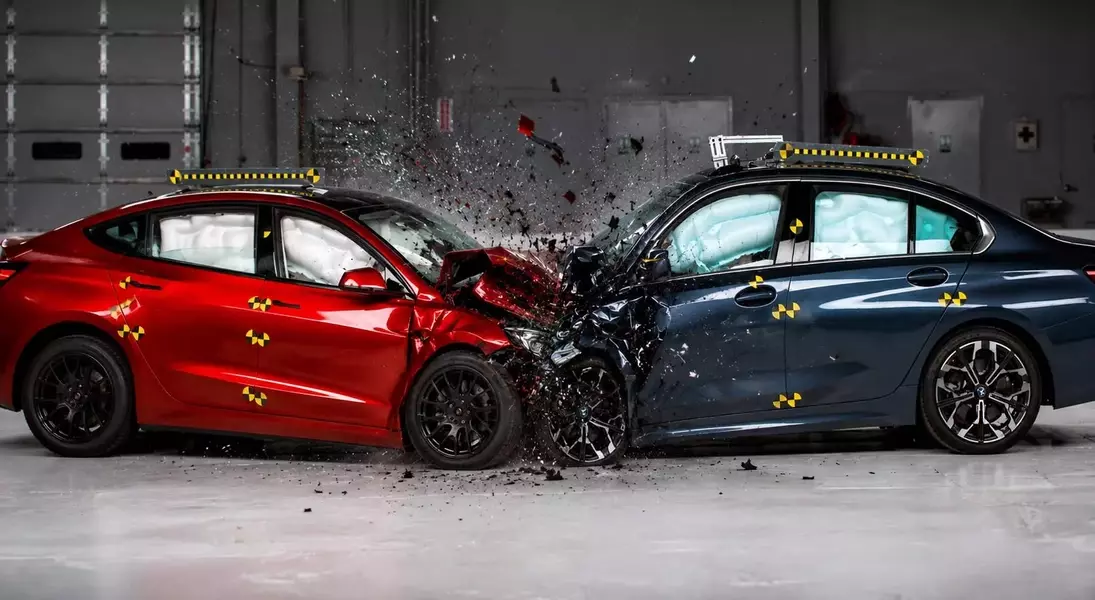
Both the Tesla Model 3 and BMW 3 Series performed admirably in initial crashworthiness assessments, particularly in the small overlap front crash test, where they each received the highest possible rating. However, their performance in the moderate overlap front test, designed to simulate an offset crash between two vehicles, indicated room for enhancement. In this evaluation, both cars were rated as 'Acceptable,' with specific concerns raised regarding rear-seat passenger safety. For instance, the BMW's rear passenger restraints and dummy kinetics were deemed 'Marginal,' while the Tesla showed a 'Marginal' rating in the chest-injury category for rear occupants. These findings prevented both models from achieving the IIHS's coveted safety awards. In side-impact tests, the Model 3 demonstrated superior protection, earning a 'Good' rating, whereas the 3 Series had not yet been fully assessed.
When it comes to crash avoidance, the Tesla Model 3 exhibits a clear advantage, attributed to its advanced technology and the company's continuous innovation in autonomous driving systems. The Model 3 achieved 'Good' ratings in both vehicle-to-vehicle and pedestrian crash prevention, showcasing its capability to avert collisions effectively. The BMW 3 Series, while performing 'Good' in pedestrian crash prevention, lagged in the vehicle-to-vehicle category, receiving a 'Marginal' rating. This disparity was evident in tests where the Model 3 successfully avoided impact at 43 mph, while the 3 Series could only reduce its speed to 38 mph, still a considerable impact speed. Both vehicles' headlights received an 'Acceptable' rating. The Model 3's superior crash avoidance capabilities and Tesla's data indicating fewer accidents when its self-driving system is engaged further solidify its position as a safer choice for motorists prioritizing accident prevention.
While the BMW 3 Series remains a compelling option for its luxurious appeal and dynamic driving experience, the Tesla Model 3 distinguishes itself as the superior choice for safety-conscious drivers. Both cars offer robust protection in crashes, but the Model 3's advanced crash avoidance systems provide an extra layer of security. This makes the Tesla Model 3 an exemplary vehicle for those who prioritize not only surviving an accident but actively preventing it.
