World number one Aryna Sabalenka is poised for Wimbledon, having absorbed valuable lessons from her recent French Open final defeat. The Belarusian tennis star acknowledges her past struggles with emotional control during crucial matches, particularly her outspoken remarks following the loss to Coco Gauff. This experience has fueled her determination to refine her mental fortitude, turning a humbling moment into a catalyst for growth as she pursues her first Wimbledon title.
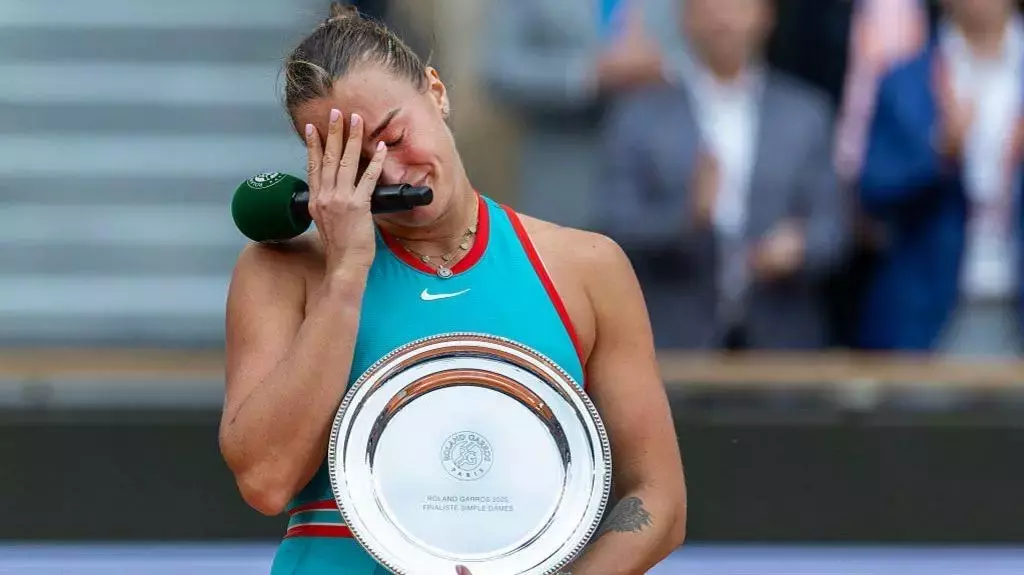
Aryna Sabalenka, known for her powerful game and fiery demeanor, has candidly addressed the aftermath of her French Open final against Coco Gauff. In that highly anticipated match three weeks prior, Sabalenka's frustration led to public comments that she later admitted were "completely unprofessional." Her initial assessment was that Gauff's victory stemmed more from Sabalenka's own errors on "easy balls" rather than Gauff's exceptional play. She even described her own performance as "just a joke," remarking that Gauff's shots seemed to "magically" land in, putting her opponent on the defensive.
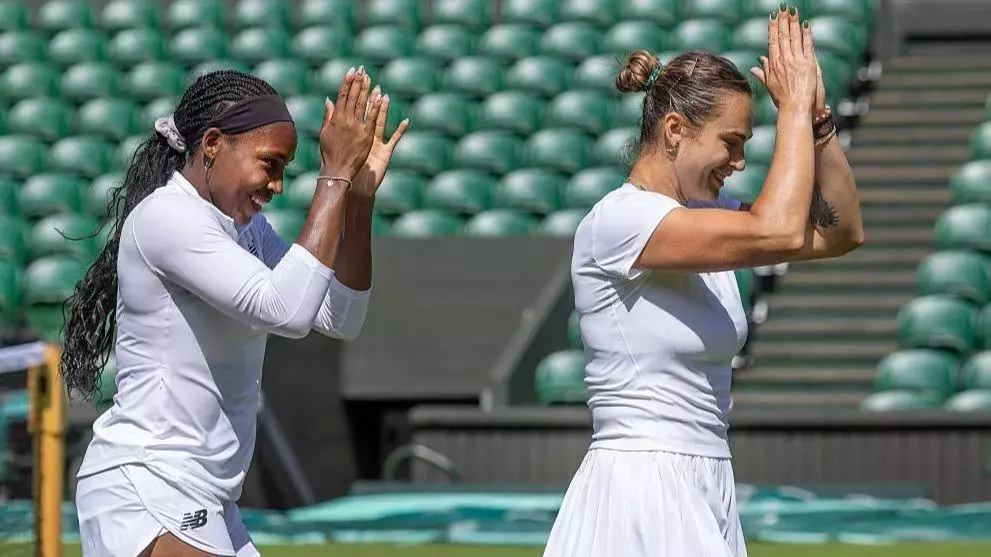
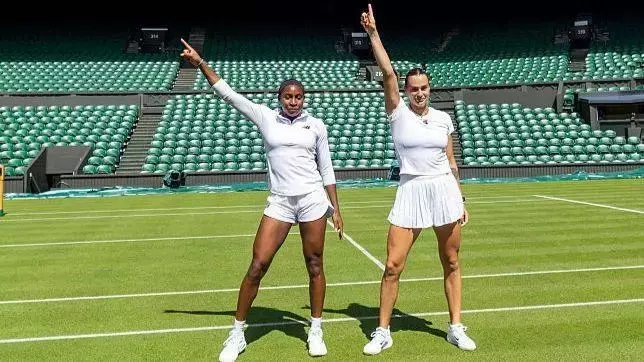
These remarks were widely perceived as failing to adequately credit Gauff for securing her second Grand Slam title, especially since Gauff had also triumphed over Sabalenka in the 2023 US Open final. Recognizing the error in her post-match comments, Sabalenka subsequently issued a written apology to Gauff. Any lingering tension between the two athletes appeared to dissipate in the run-up to Wimbledon, as they were seen engaging in a lighthearted TikTok dance together on Centre Court, demonstrating a renewed sense of sportsmanship.
Sabalenka herself has acknowledged the need for better emotional regulation. She admitted, "I didn't really want to offend her. I was just completely upset with myself, and emotions got over me. I just completely lost it." She believes she "got what I deserved" and considers the experience a crucial learning opportunity. Her goal is to maintain the composed mentality she exhibits throughout tournaments, avoiding excessive emotionality in later stages, which she attributes to her intense desire to win. Despite leading the WTA rankings by a significant margin, Sabalenka has faced defeat in four of her last six finals. As she embarks on her Wimbledon campaign against Canadian qualifier Carson Branstine, she looks forward to potentially facing Gauff again in the final, eager for a chance at redemption against the American, who currently leads their head-to-head record 6-5.
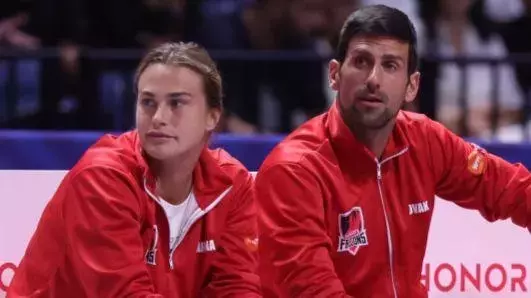
The challenge of managing intense emotions in high-pressure sporting environments is a familiar one for athletes. Novak Djokovic, a 24-time Grand Slam champion, has mastered this aspect of the game, consistently finding the right words even in defeat. He understands the difficulty Sabalenka faces when adrenaline is high, remarking that "things happen when you're so heightened with emotions, your blood is running hot. It's not always easy to suppress that and put diplomacy ahead, even though I feel like it's important to pay respect and acknowledge the success of your opponent that just beat you." Sabalenka recently sought advice from Djokovic during a practice session, expressing her gratitude for his insights on managing her struggles. Their developing friendship highlights a mutual respect among top-tier athletes navigating the demanding world of professional tennis.
Aryna Sabalenka's journey into Wimbledon this year marks a significant turning point in her career. The world number one is committed to harnessing her powerful game while taming the emotional surges that have, at times, hindered her in major finals. Armed with new insights and a clear perspective from her French Open experience, she is focused on transforming her past challenges into future triumphs on the hallowed grass courts.
