S.S. Rajamouli, the acclaimed director behind 'RRR', is once again pushing the boundaries of filmmaking with his latest project, 'Varanasi'. For this ambitious endeavor, Rajamouli eschewed digital effects for a painstakingly crafted, full-scale physical set of the ancient city. This colossal undertaking, built in Hyderabad, aims to authentically portray Varanasi across various historical timelines, demanding an unprecedented level of detail and practical construction that challenges traditional cinematic approaches. The commitment to realism, even extending to physically altering the set for different eras, highlights a unique vision in modern cinema.
Director Rajamouli's 'Varanasi' Set: An Immense Feat of Cinematic Craftsmanship
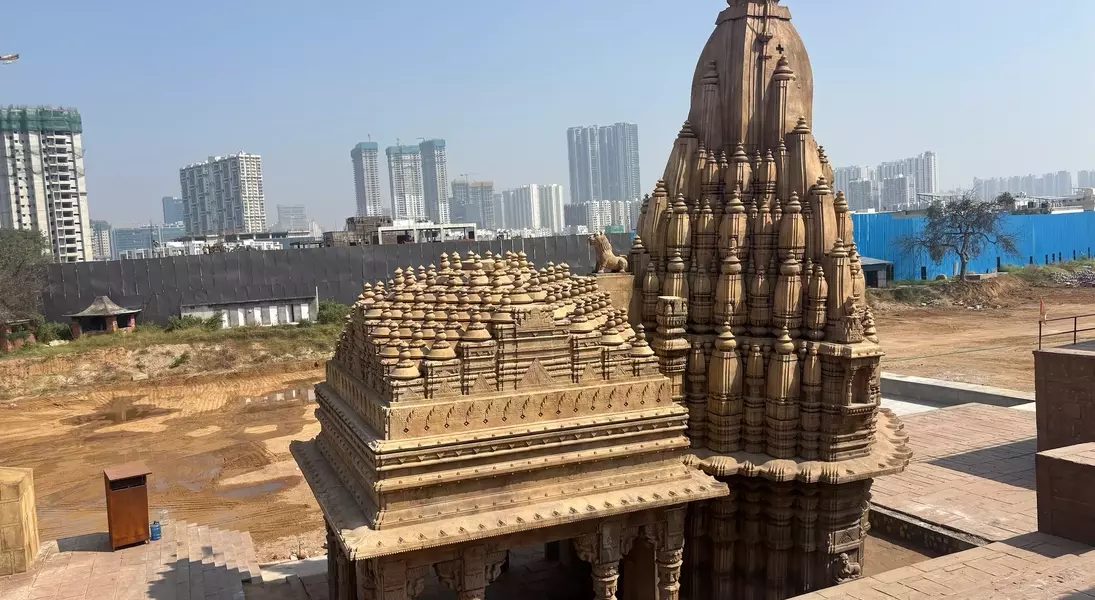
In a remarkable display of cinematic ambition, director S.S. Rajamouli, known for his epic 'RRR', is bringing the ancient city of Varanasi to life for his new film through an extraordinary full-scale set. Nestled in a once-secluded plot within Hyderabad's bustling business district, this meticulously constructed replica serves as the primary location for 'Varanasi'. The film is poised to traverse multiple historical periods, ranging from 7200 BCE, incorporating elements of the Hindu epic The Ramayan, to 512 CE, and extending into the present day and even 2027. This expansive timeline necessitated an innovative approach to set design, exemplified by the creation of a physical, sinking replica of the Ratneshwar Mahadev Mandir. This temple, which in reality has gradually succumbed to the Ganges River's erosion over centuries, is depicted in varying states of preservation to reflect different eras within the narrative.
Actress Priyanka Chopra Jonas, who stars as Mandakini in the film, recently clarified the nature of the movie's temporal shifts during an interview with Polygon in November. She explained, "It's not like you're sitting in a machine and going into — it's not Back to the Future. But we do go from 7,200 BCE to 2027. So you travel worlds and realms that our characters move within, which makes it really interesting. So it is a time-travel movie." This intricate narrative demands an equally intricate set. Rather than relying on CGI or simpler set-swapping techniques, Rajamouli's team constructed the entire temple, planning to physically bury it for contemporary scenes and then excavate and restore it to its 19th-century glory for earlier periods – a testament to the director's unwavering pursuit of authenticity.
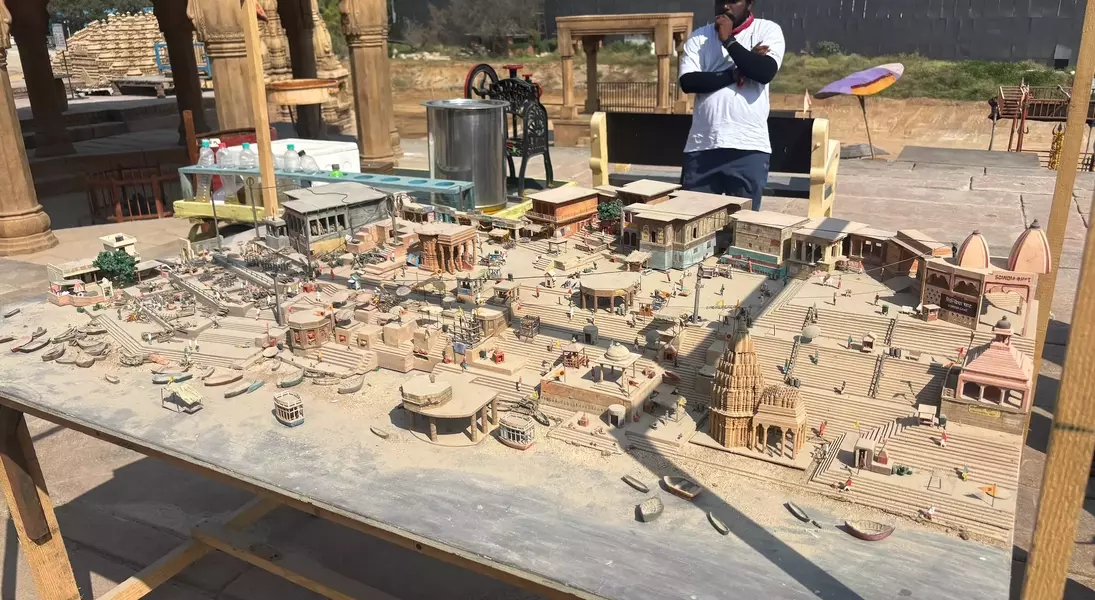
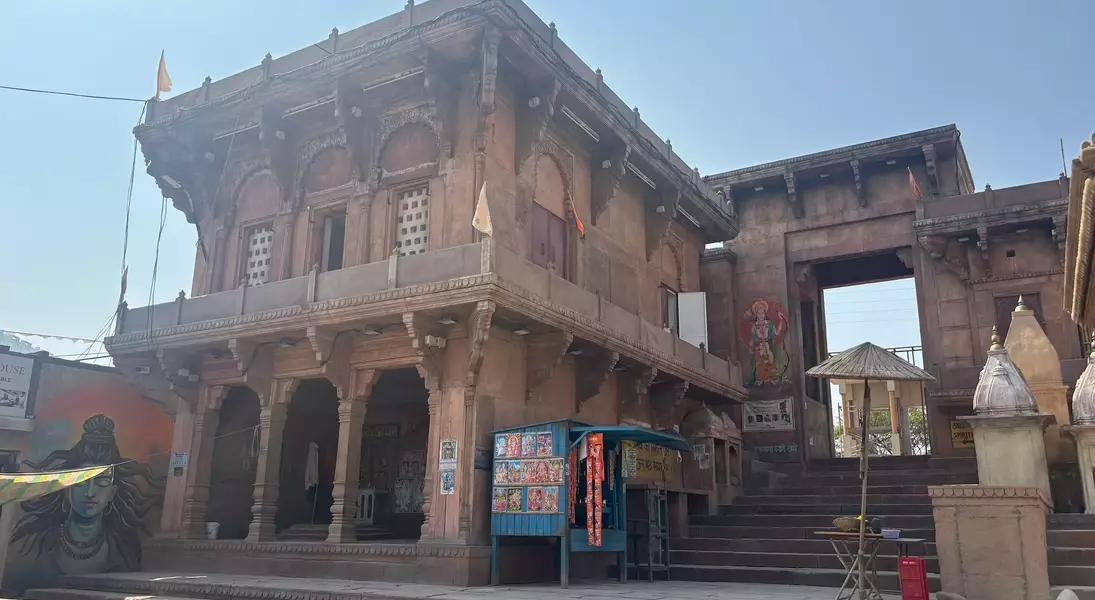
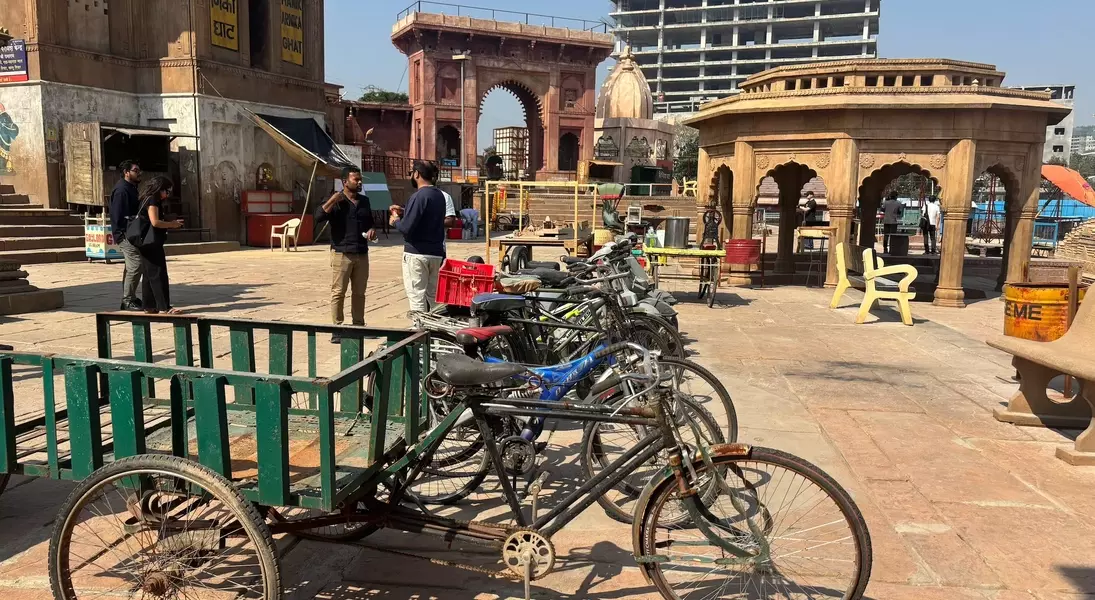
During a November visit to the Hyderabad set, a Polygon reporter observed the immense scale and detail of the production. While filming was not underway, the intricate details of the artificial cityscape were striking. The set, which sprawls across an entire city block, features crumbling stone steps designed to meet a simulated Ganges River (to be added with special effects), leading up to a vibrant plaza filled with shrines and food stalls, flanked by authentic-looking old buildings. The sheer solidity of the structures, with actual interiors, belies their temporary nature. Rajamouli's on-set office is even located within one of these fabricated buildings. The set's designers draw inspiration from scouting visits to the real Varanasi, ensuring every detail, from old bicycles to a small tea shop, contributes to a convincing modern representation.
Despite the triumphs in set design, the production faces its own set of challenges. The rapid urbanization of Hyderabad means that the once-isolated filming location is now surrounded by new office and apartment buildings, posing a significant security risk for maintaining the secrecy of the film's plot. Rajamouli expressed his concerns, stating, "It's a huge job to constantly secure your production from prying eyes and all that. We would rather concentrate on the creative job, not the security job, but that's how it is. We have to do both, and we will do both." Additionally, unlike the set for his previous film 'Baahubali', which became a permanent attraction, the 'Varanasi' set is temporary and will be dismantled after filming concludes. The film is slated for a worldwide theatrical release on April 7, 2027.
The meticulous craftsmanship and unwavering commitment to practical effects evident in the 'Varanasi' set design offer a profound lesson in the art of storytelling. In an era dominated by digital wizardry, Rajamouli's decision to construct a tangible, adaptable world for his characters highlights the enduring power of physical sets to immerse both cast and audience. This approach not only elevates the visual experience but also underscores the dedication and passion required to manifest a truly grand cinematic vision, reminding us that sometimes, the most impressive illusions are built, not rendered.
