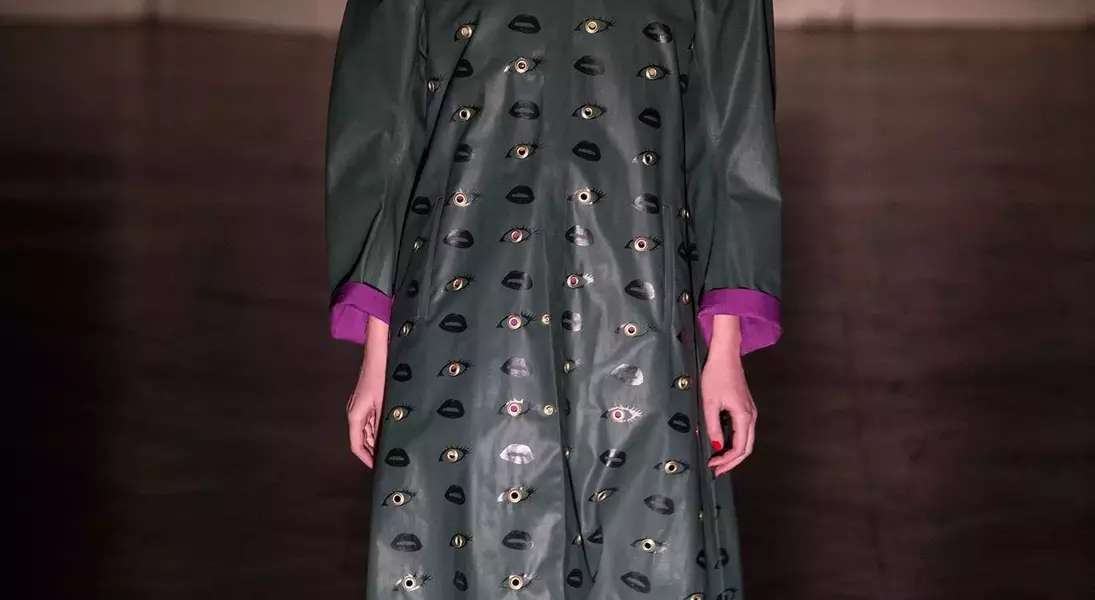
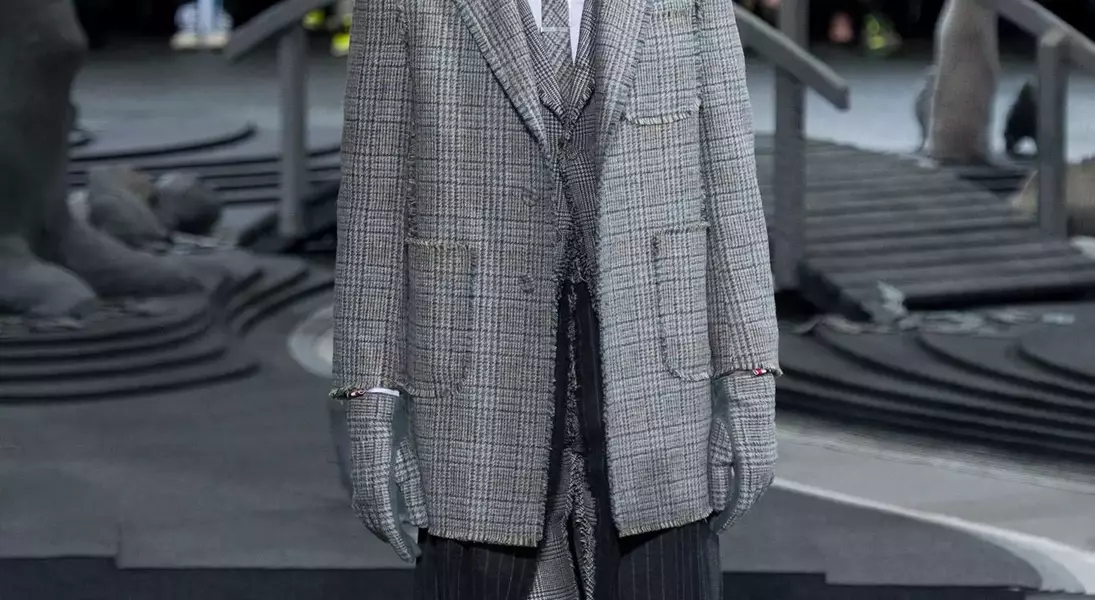
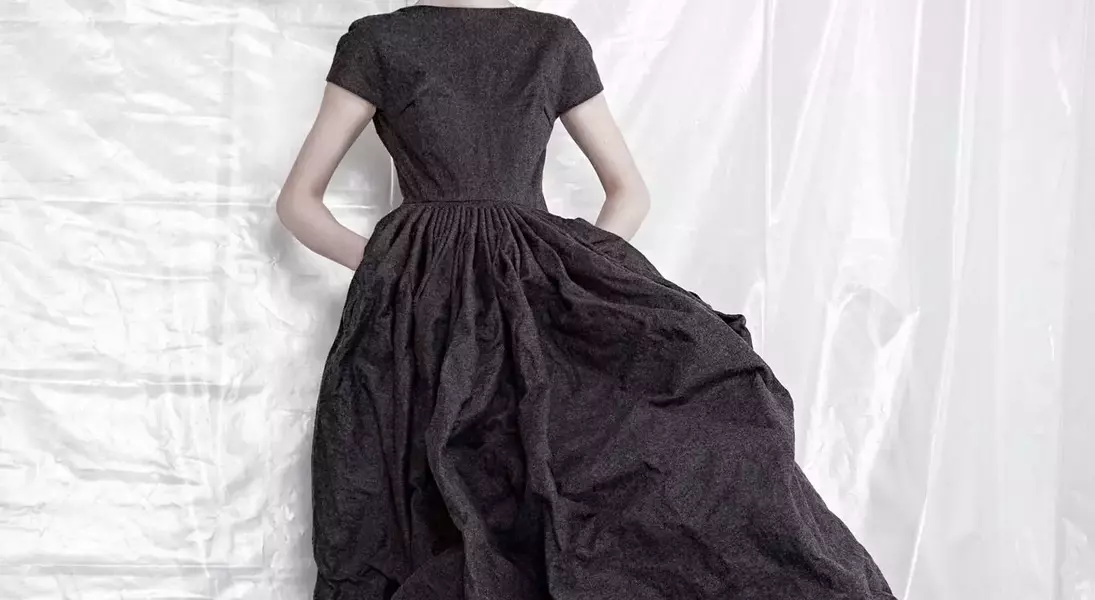
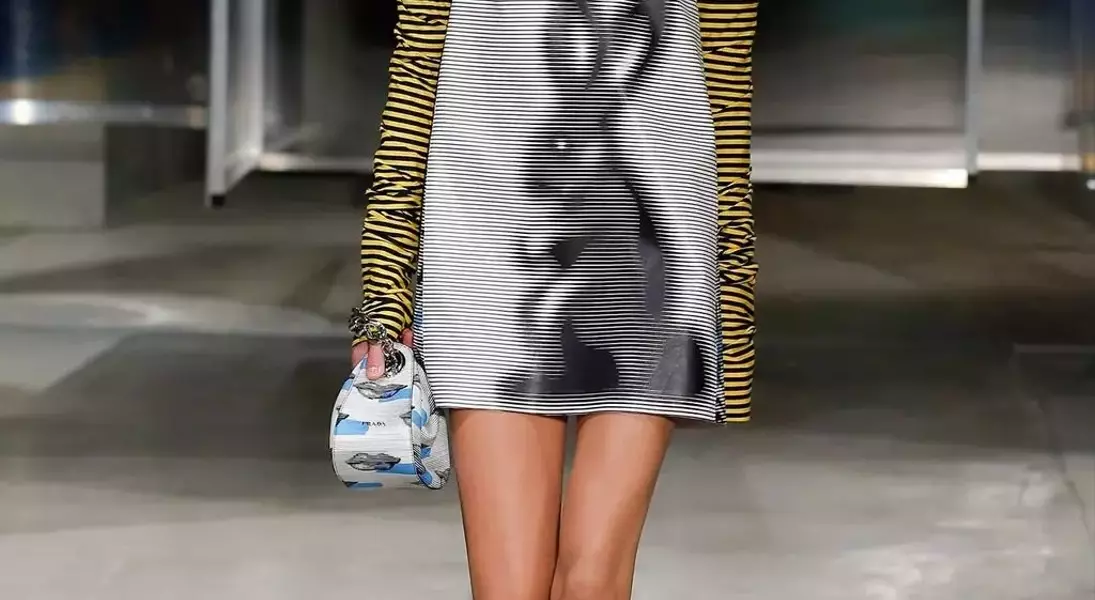
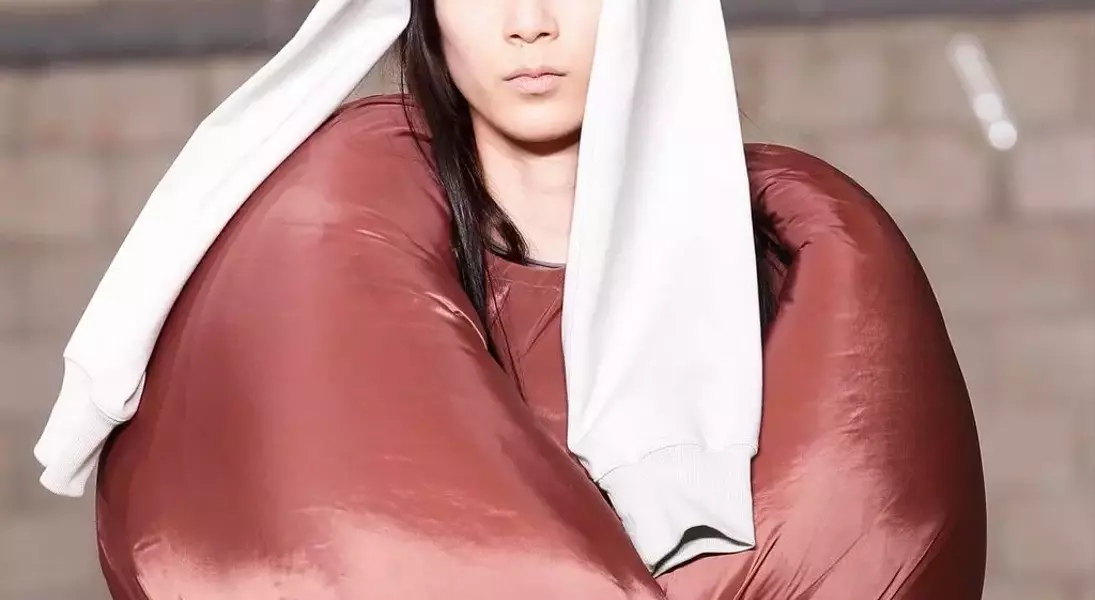
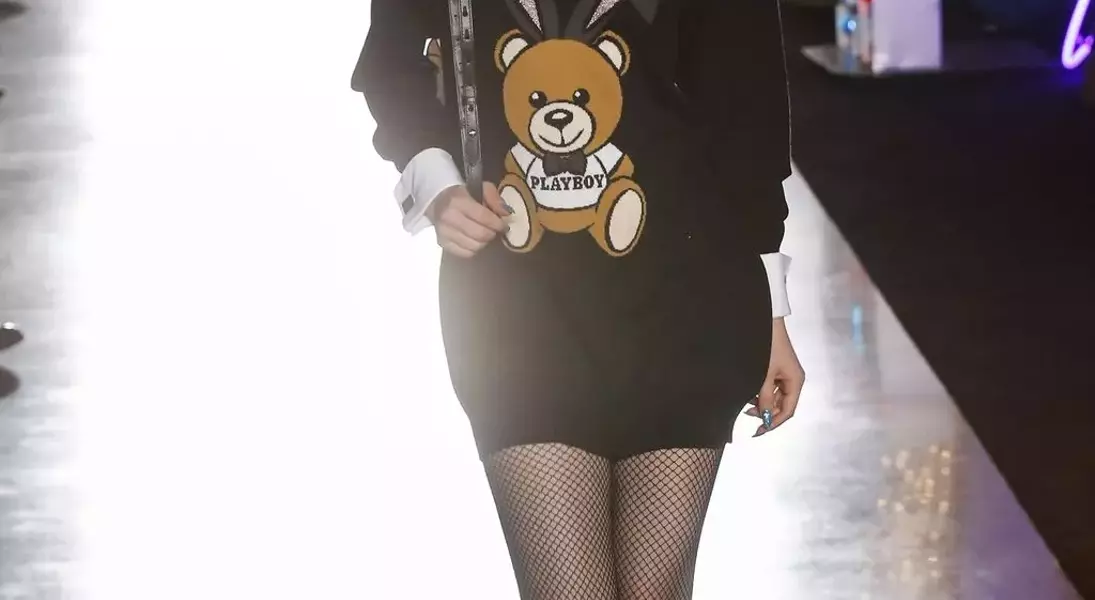
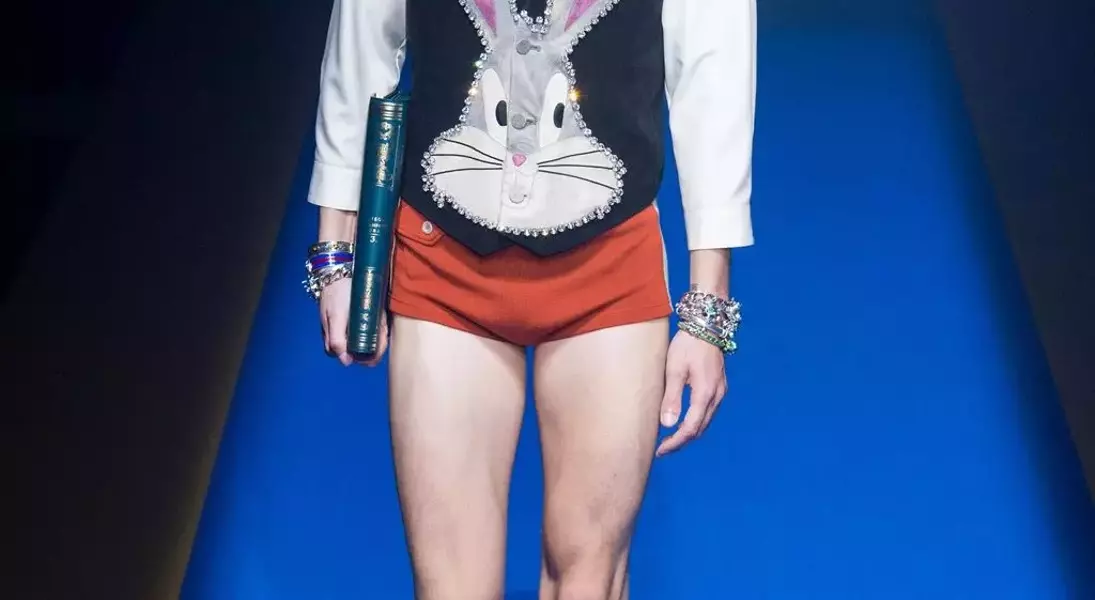
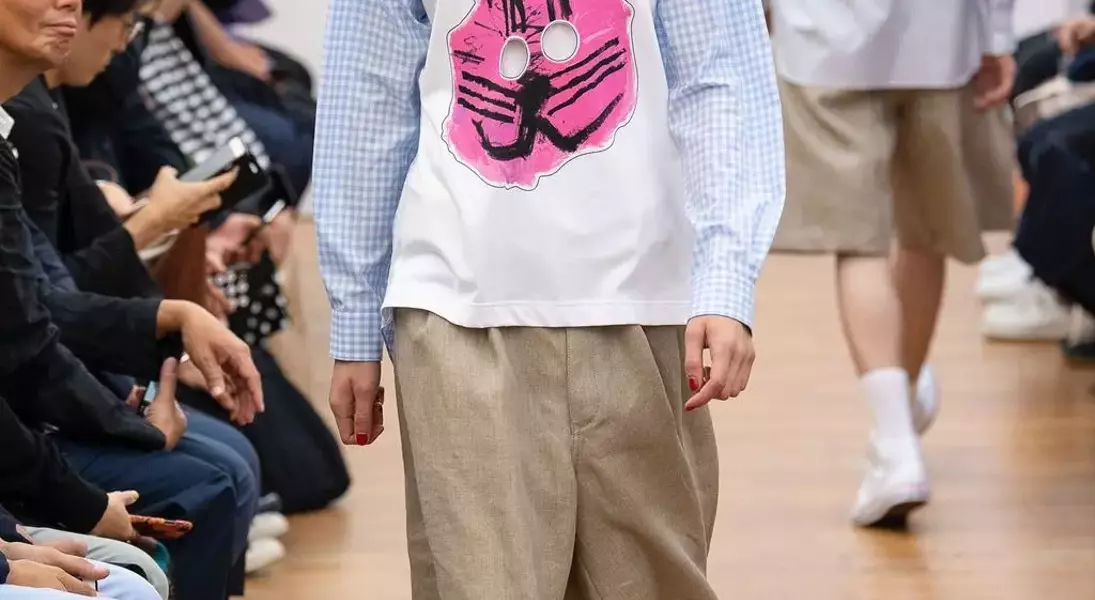
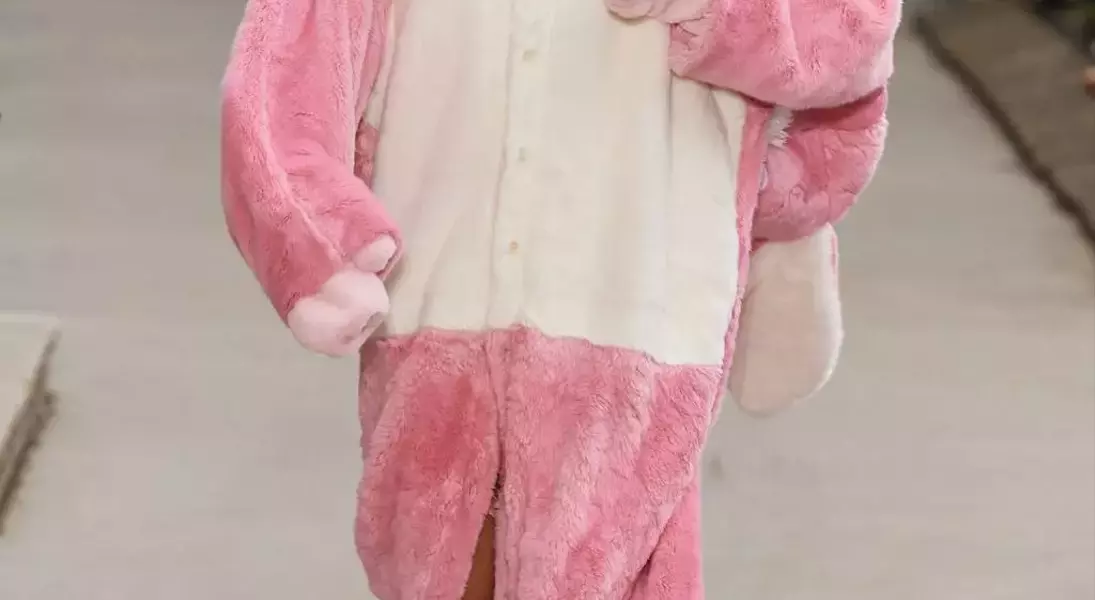
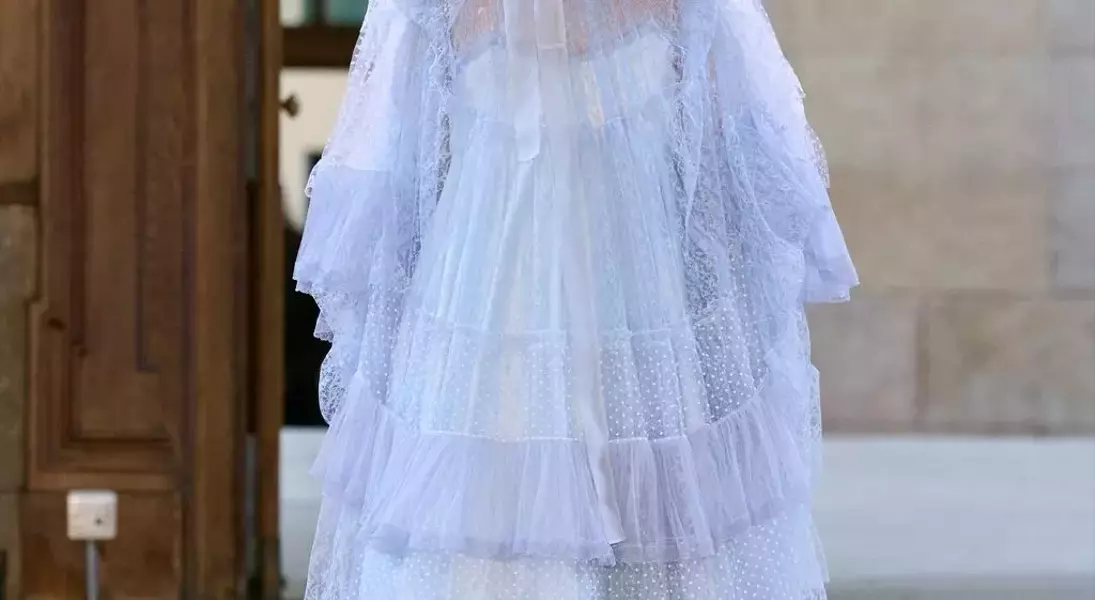
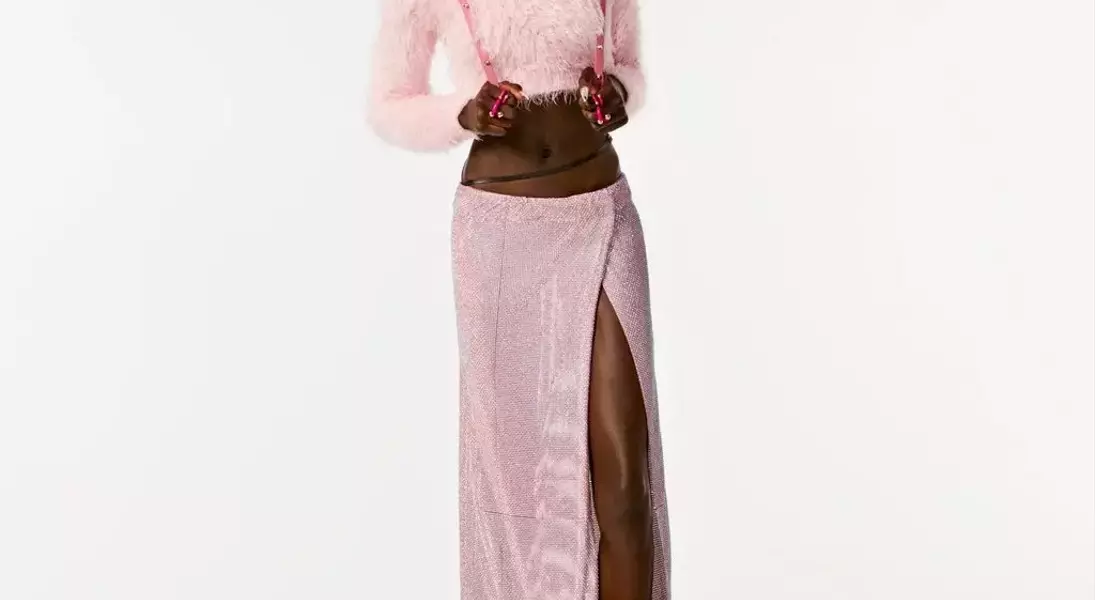
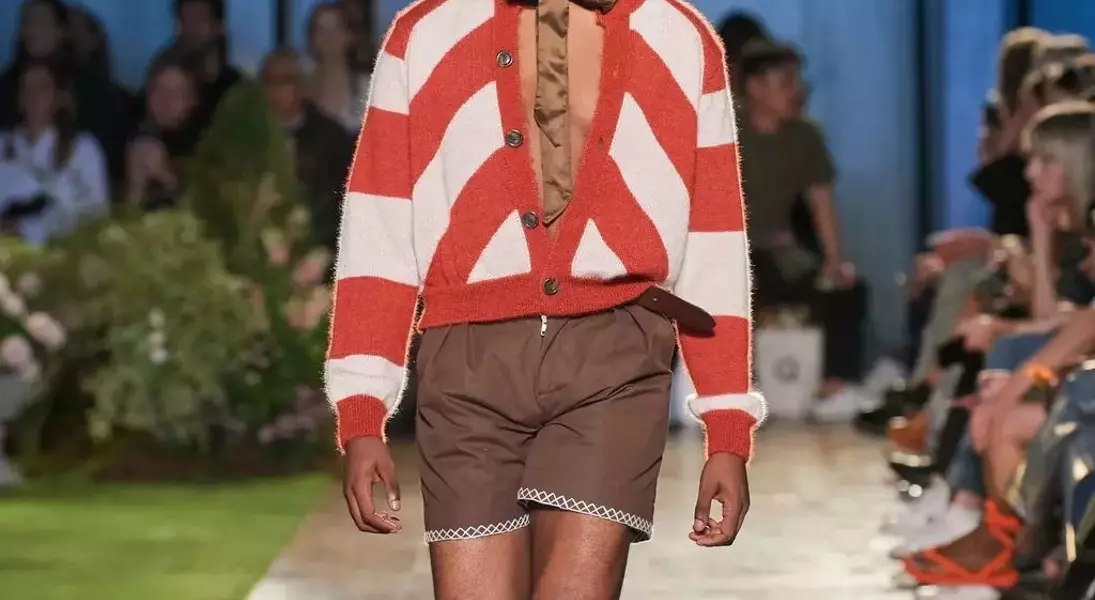
The whimsical portrayal of rabbits has frequently graced the world's most prominent fashion runways, emerging as a captivating and often playful source of inspiration for numerous designers. From elaborate headpieces to full-fledged costumed ensembles, the presence of these furry creatures highlights a continuous fascination within the industry with nature-inspired motifs. This recurring theme demonstrates how designers infuse their collections with imaginative and symbolic elements, elevating simple animal references into iconic fashion statements.
Throughout various fashion seasons and across different design houses, the rabbit motif has been interpreted with remarkable versatility. Whether subtly integrated into accessories or boldly presented as central themes, these bunny-inspired creations have consistently captured attention. The enduring charm of rabbits offers designers a rich canvas for exploring themes of innocence, playfulness, and unexpected elegance, contributing to a unique narrative within the competitive landscape of high fashion.
The Enduring Allure of Bunny Motifs in High Fashion
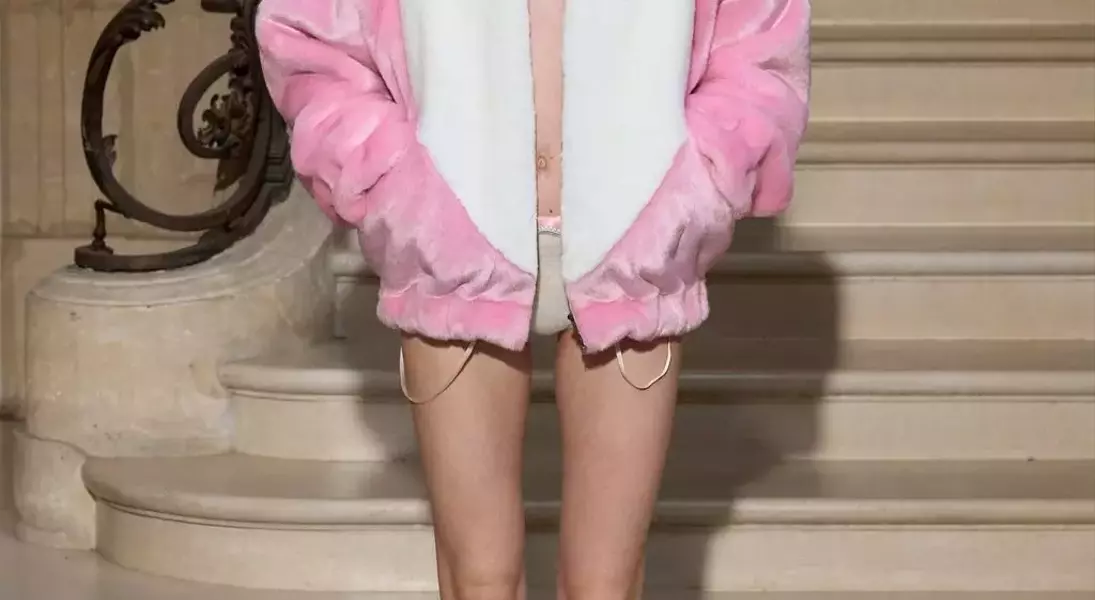
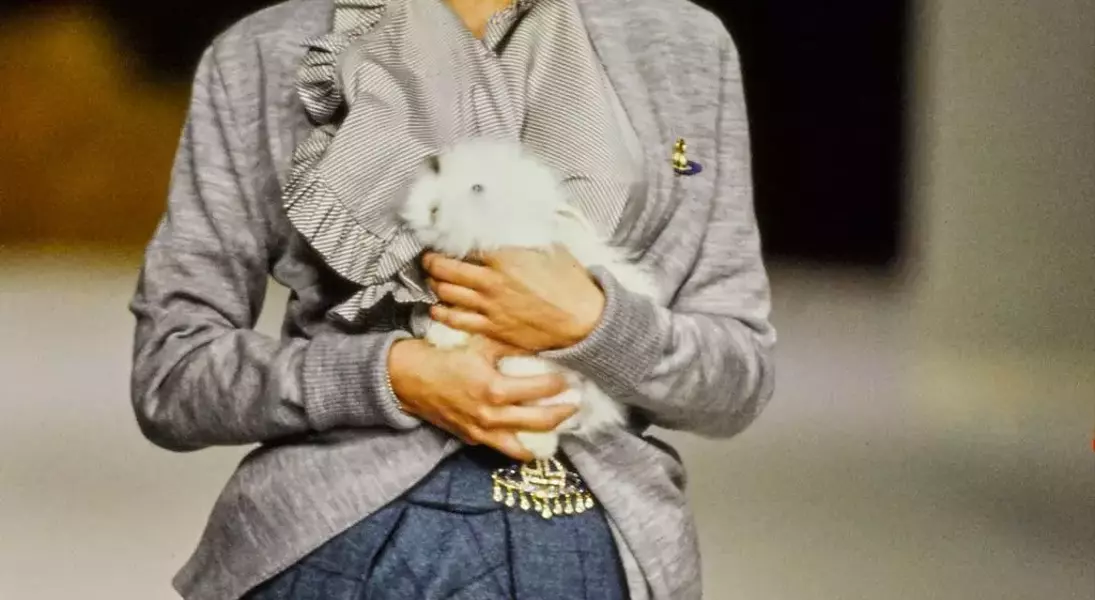
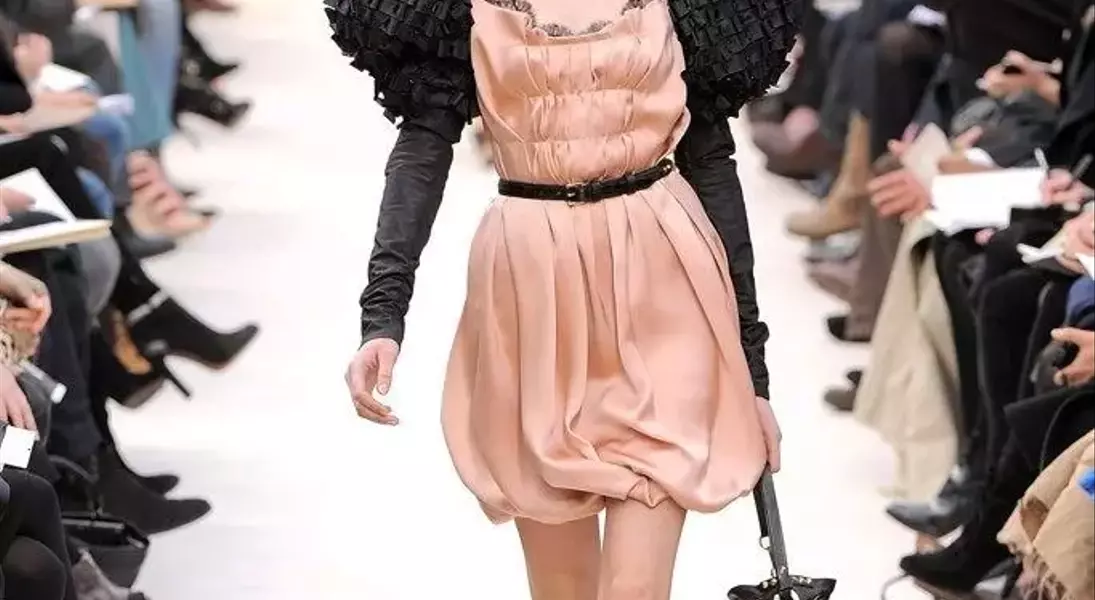
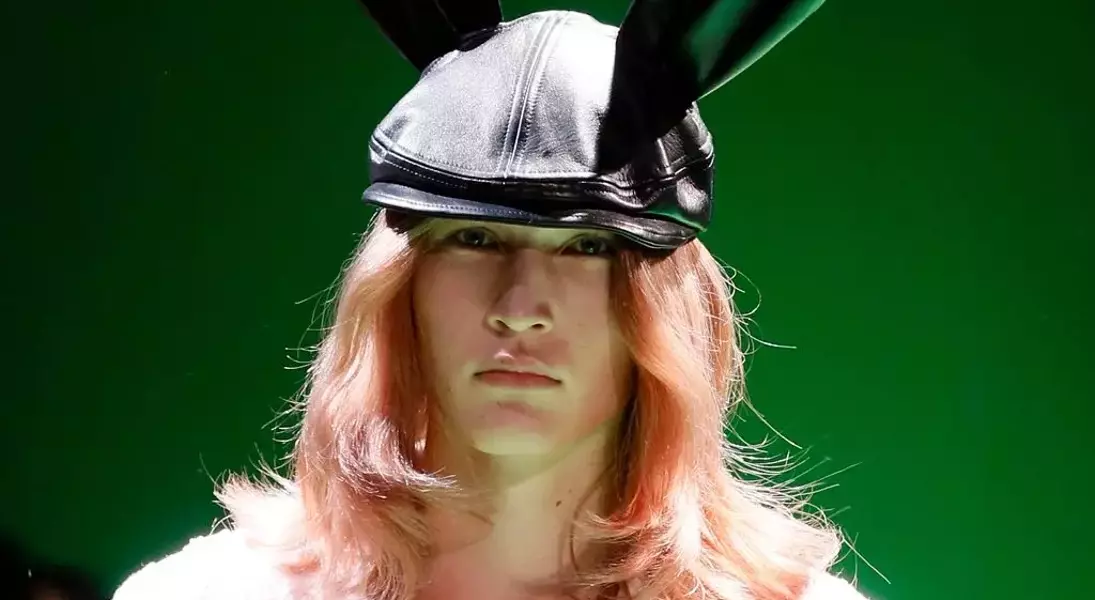
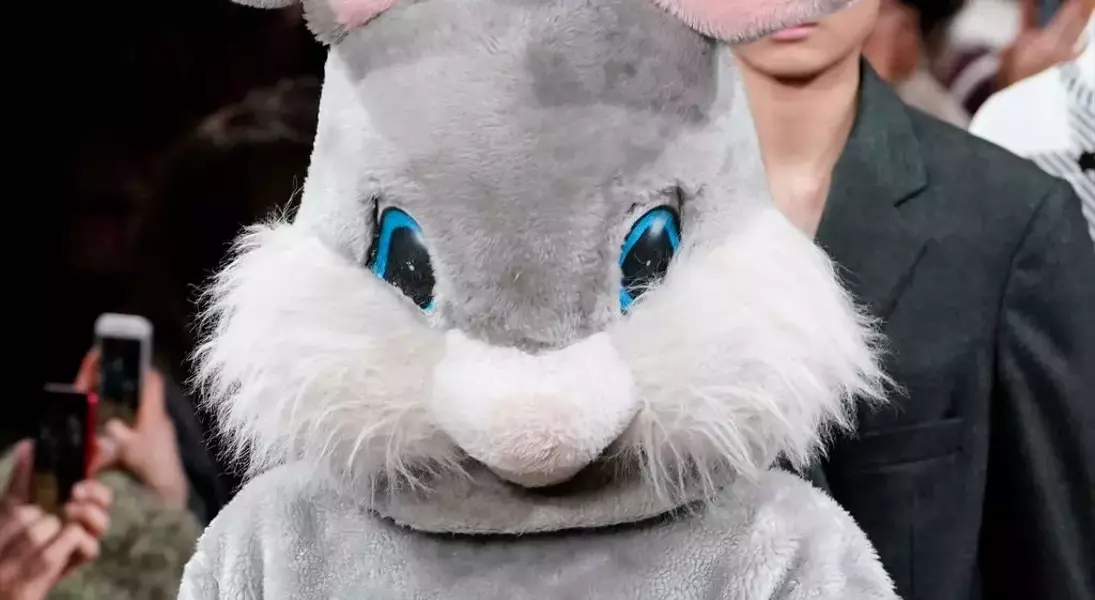
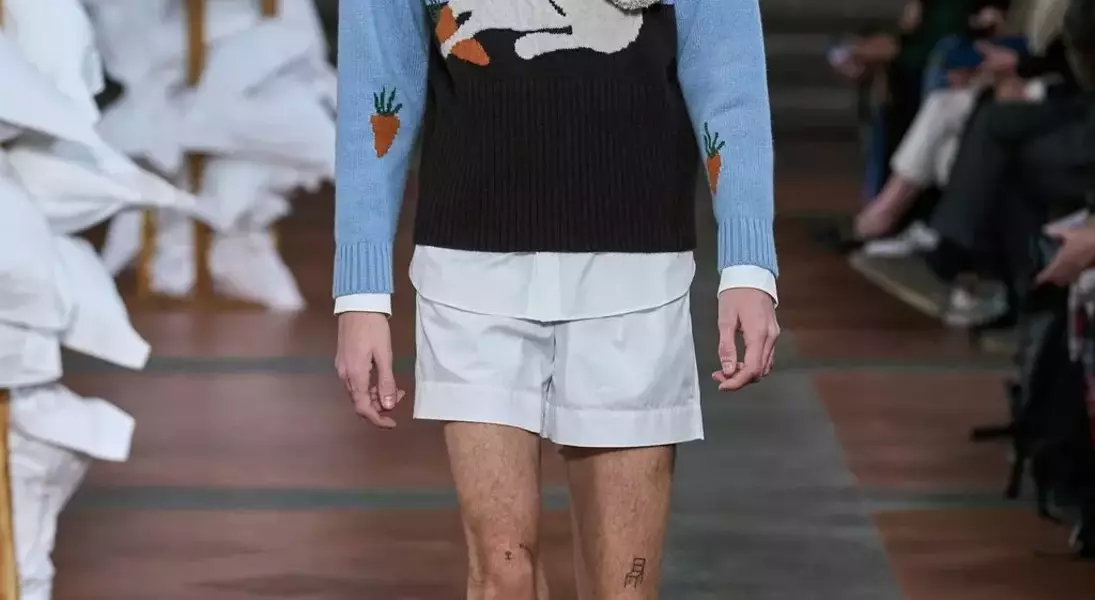
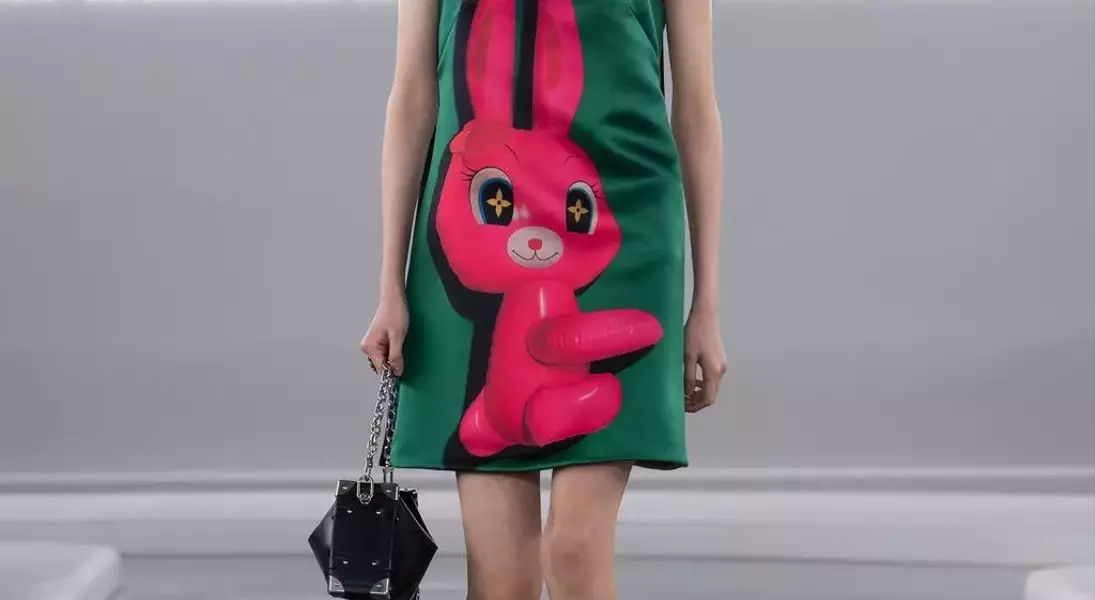
The fashion world frequently draws inspiration from various sources, and the motif of rabbits has proven to be a consistently captivating element. This fascination spans diverse designers and eras, from Marc Jacobs's whimsical bunny headdress for Louis Vuitton's Fall 2009 collection, famously worn by Madonna, to Stella McCartney's playful costumed rabbit gracing her Fall 2020 runway. The recent Year of the Rabbit in 2023 further amplified this trend, leading to a proliferation of bunny-themed designs across global fashion hubs like London with S.S. Daley and Tokyo with Ambush. Notably, model Hoyeon Jung has embodied the bunny aesthetic twice, first for Jeremy Scott's Moschino Spring 2018 menswear and then for Schiaparelli's Fall 2018 couture show, underscoring the motif's broad appeal and adaptability within high fashion.
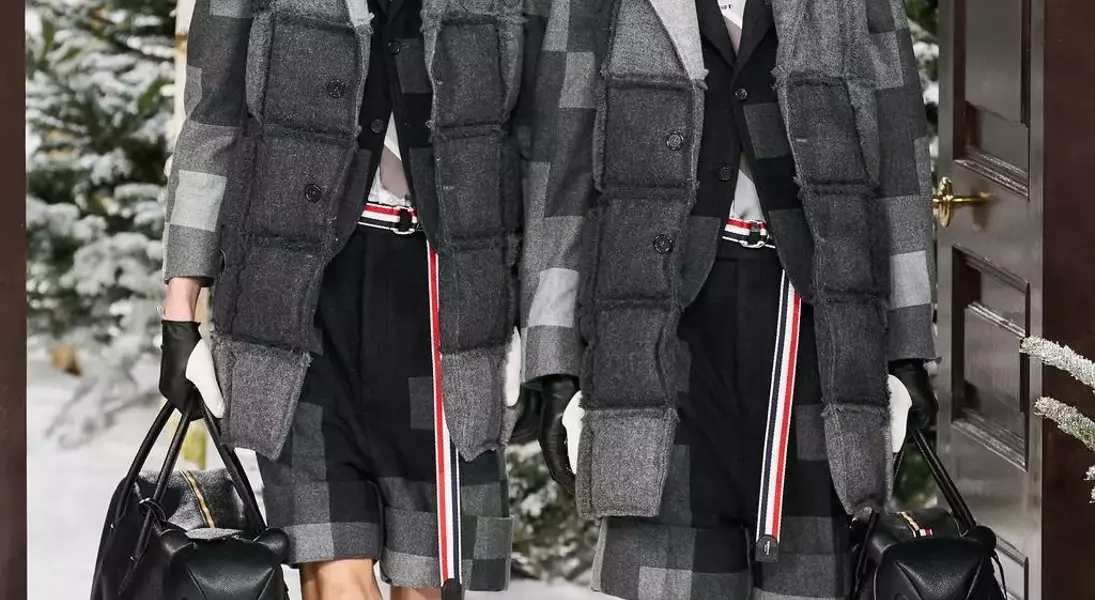
The integration of rabbit imagery into fashion extends beyond mere aesthetic appeal; it often conveys deeper symbolic meanings associated with innocence, fertility, and enchantment. Designers leverage these connotations to add layers of narrative and intrigue to their collections. For instance, the use of a rabbit by Francesco Risso for Marni, or its appearance in designs by Vivienne Westwood and Thom Browne, speaks to its versatility in evoking both avant-garde and classic sensibilities. This sustained interest in the rabbit motif illustrates its timeless quality and its capacity to be reinterpreted in fresh and exciting ways, continuously delighting audiences and pushing creative boundaries in the ever-evolving world of fashion.
Diverse Interpretations of Rabbit-Inspired Runway Styles
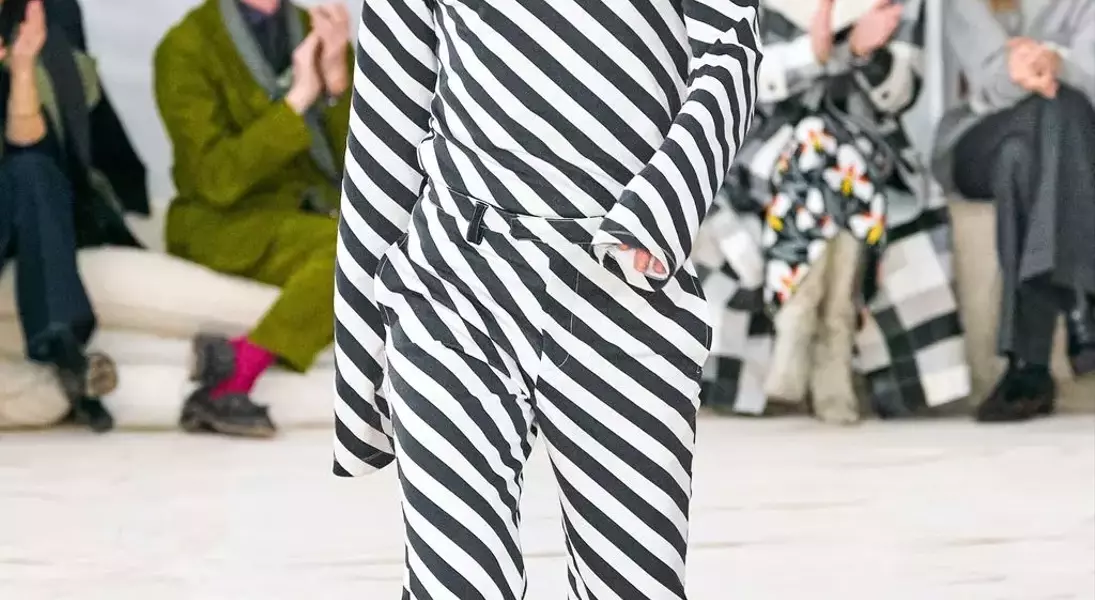
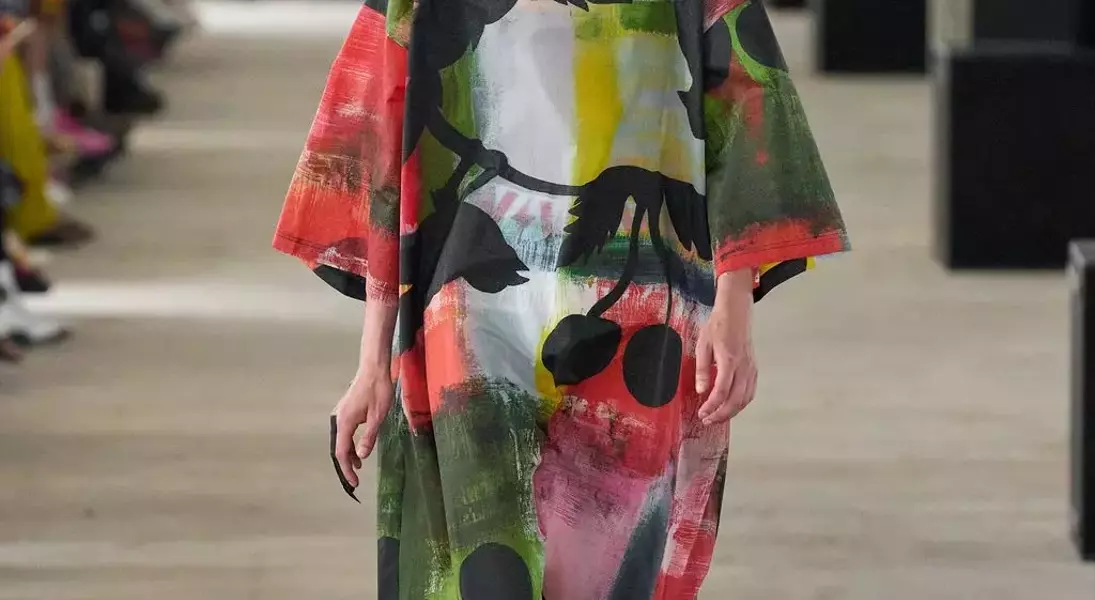
Fashion designers have showcased an impressive array of interpretations when incorporating rabbit themes into their runway collections, demonstrating the motif's remarkable versatility. These creations range from the elegantly subtle to the dramatically theatrical, each reflecting the unique vision of the designer. For example, Comme des Garçons menswear has featured abstract, minimalist nods to rabbits, while brands like GCDS have embraced more overt, playful representations. This broad spectrum highlights how the same animalistic inspiration can lead to vastly different yet equally compelling fashion statements. The consistent re-imagining of the rabbit ensures its relevance and enduring appeal in a dynamic industry that thrives on innovation and fresh perspectives.
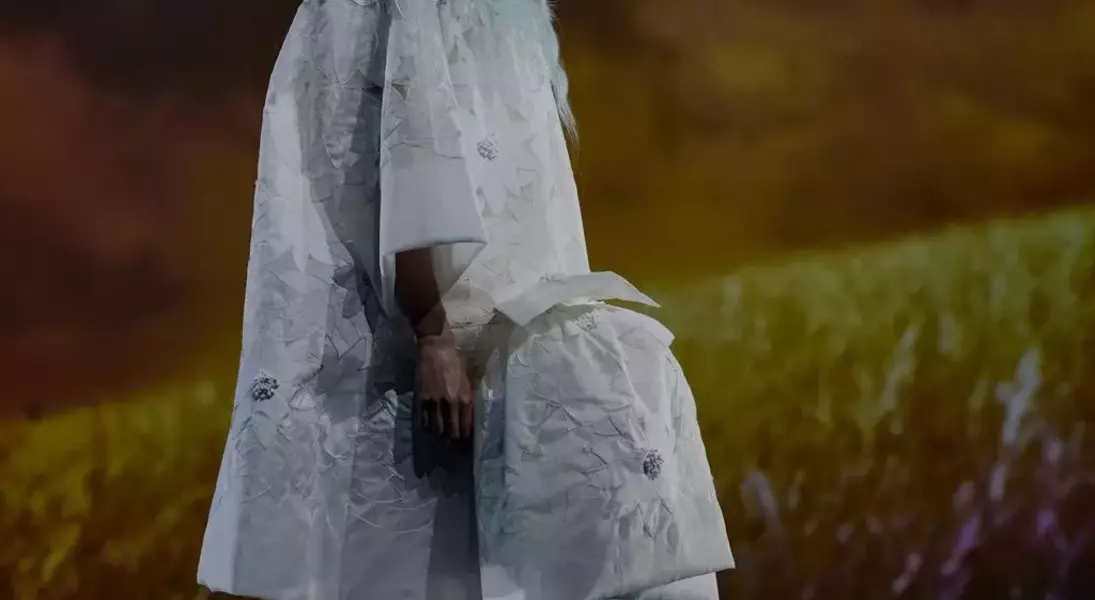
The adaptability of the rabbit motif allows it to transcend seasonal trends and categorical boundaries, appearing in both ready-to-wear and haute couture collections. Whether seen in the intricate detailing of a couture gown or as a bold graphic on a casual menswear piece, the rabbit adds a distinctive touch. Designers often play with texture, silhouette, and color to convey the essence of the rabbit, from its soft fur to its swift movements. This creative exploration not only enriches the aesthetic diversity of fashion but also reinforces the rabbit as a symbolic figure capable of inspiring a wide range of stylistic expressions, from whimsical and dreamy to sophisticated and edgy.
