In the realm of role-playing games, a persistent discussion revolves around the nature of the player's avatar: whether it should be a predefined individual with a fixed history and inherent traits, or a customizable entity that players can shape from the ground up. This article delves into this dichotomy, drawing parallels to the simple choice between apples and oranges, though acknowledging the complexity of the matter. While the author initially leaned towards the creative freedom offered by a blank canvas, a deeper reflection reveals the compelling strengths of both approaches in crafting immersive and memorable gaming experiences.
The argument for customizable protagonists often stems from a desire for boundless creativity, allowing players to embody any hero or villain they envision. This approach mirrors the flexibility found in tabletop role-playing, where players construct their adventurers from scratch. Games such as Baldur's Gate, Icewind Dale, Fallout, and Skyrim exemplify this design philosophy, offering extensive customization options and replayability. These titles empower players to craft unique builds and define their character's journey, fostering a strong sense of personal connection to the narrative.
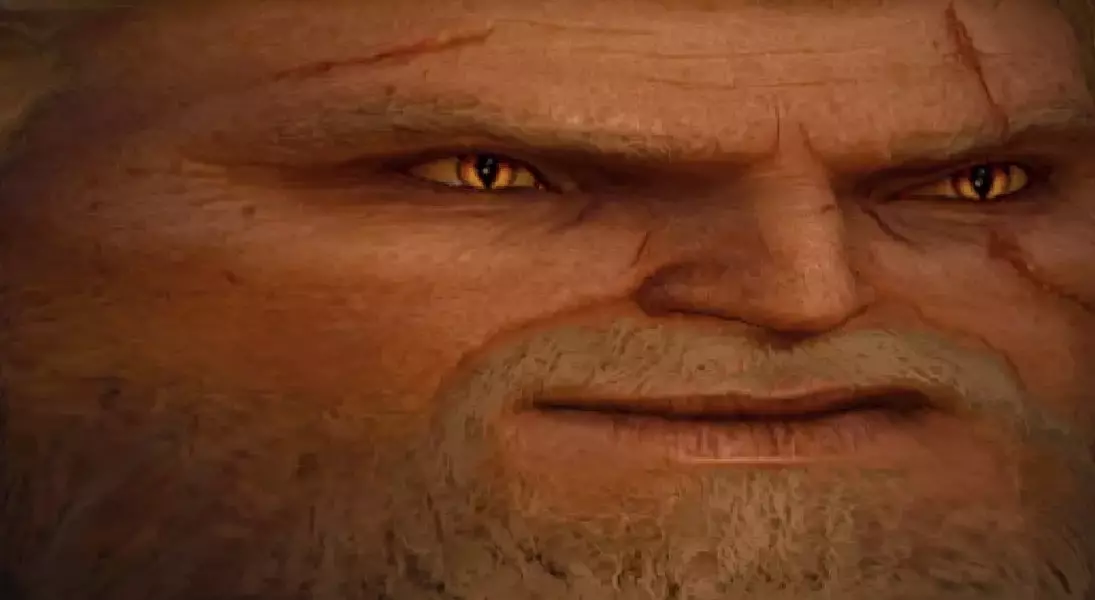
However, many of the most celebrated RPG narratives feature characters with distinct identities. Titles like Mass Effect, The Witcher, Disco Elysium, and Planescape: Torment are renowned for their profound storytelling and emotionally resonant protagonists. While these games may offer less freedom in character creation, they compensate with rich, evocative writing and impactful choices. Even with a predefined character like Geralt from The Witcher, player decisions can significantly alter the narrative's trajectory, leading to diverse and personal adventures. In games like Disco Elysium, players navigate a character with an established past, yet retain significant agency in shaping their present and future actions, leading to dramatically different playthroughs.
The emergence of hybrid models, such as Baldur's Gate 3, further complicates this discussion. This title demonstrates that even with the option for a blank slate, a game can still be imbued with profound character and narrative depth, blending the best of both worlds. The author's personal journey through this debate underscores that the ideal character type might not be a singular choice but rather a rich tapestry of possibilities. Ultimately, the preference often boils down to whether a player prioritizes ultimate control over their avatar's identity or a deeply etched, pre-existing narrative to explore.
