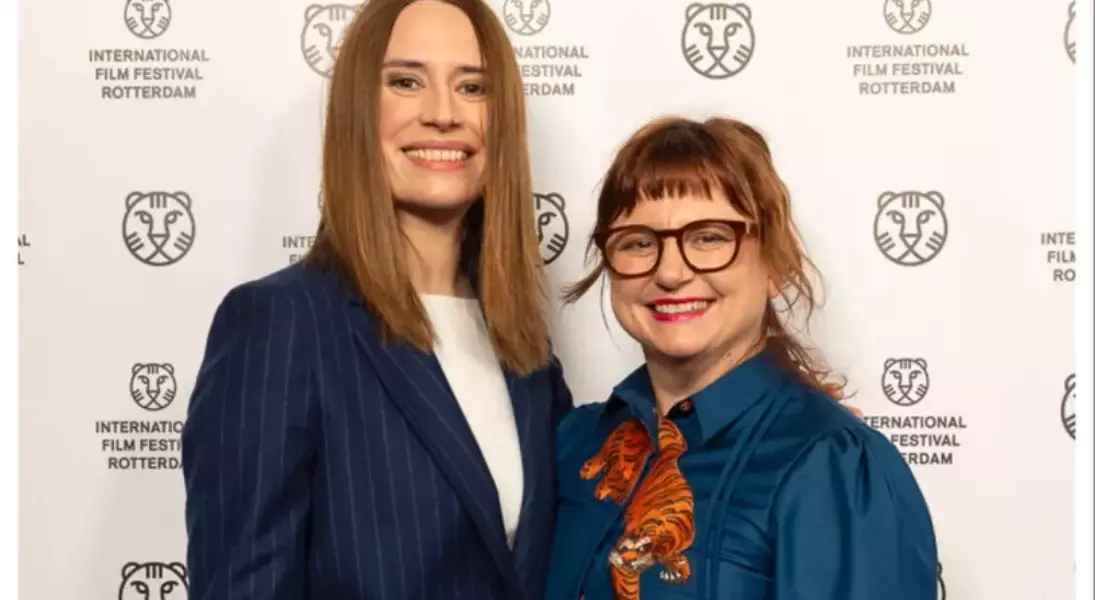
The International Film Festival Rotterdam (IFFR) is actively redefining its identity, moving beyond its established reputation for avant-garde and unconventional cinema. Under the leadership of director Vanja Kaludjercic and managing director Clare Stewart, the festival is championing a more inclusive and accessible approach, aiming to cater to a broader audience demographic and support a wider array of cinematic voices. This strategic shift involves not only showcasing diverse film selections, including both experimental and popular works, but also implementing extensive community engagement programs and initiatives designed to support disadvantaged filmmakers and foster a deeper connection with the vibrant city of Rotterdam.
Rotterdam Film Festival Expands Reach, Champions Inclusivity
On January 29, 2026, the International Film Festival Rotterdam (IFFR) is making headlines as its esteemed director, Vanja Kaludjercic, and managing director, Clare Stewart, articulated a renewed vision for the event. Speaking to Variety, Kaludjercic clarified that while the festival has a strong association with "edgy and unconventional cinema," this represents only a fraction of its broader scope. She emphasized IFFR's dedication to presenting a diverse spectrum of films, from avant-garde creations to more mainstream and accessible productions, citing Kleber Mendonça Filho's Oscar-contending film, "The Secret Agent," as an example of popular cinema finding a home at the festival.
A core element of this expanded vision is accessibility. Kaludjercic highlighted the festival's commitment to engaging various age groups, from a dedicated "Baby Film Club" for infants to extensive IFFR Education programs that introduce thousands of schoolchildren to the world of cinema. Stewart further elaborated on these community outreach efforts, noting collaborations with local groups, including skaters and refugees, and a partnership with a hospital for pre-festival events. This localized approach is part of a larger "placemaking" strategy, aiming to integrate the festival deeply into the fabric of Rotterdam, a city renowned for its diversity.
In a significant move towards inclusivity, IFFR has launched the Displacement Film Fund and introduced CineMart's Safe Harbour program. These initiatives are specifically designed to empower emerging filmmakers who have experienced displacement or forced migration, providing them with crucial development opportunities and raising global awareness for their narratives. Kaludjercic stressed the goal of embedding these filmmakers fully into the film ecosystem, a sentiment echoed by Stewart, who underscored the festival's role in supporting cinema from regions facing funding challenges or political instability.
Beyond its diverse programming and community focus, IFFR continues to curate unique experiences through its "Big Talks" series. Inspired by the festival's "25 Encounters" book, these discussions pair unexpected cinematic figures, such as Carla Simón with Kleber Mendonça Filho, and Valeria Golino with Hiam Abbass. These pairings aim to spark curiosity, foster dialogue, and offer fresh perspectives on filmmaking, proving that the festival is not just about films, but also about the fascinating personalities and ideas behind them.
The IFFR's commitment to discovery remains paramount. Stewart noted that it is fundamentally a "programmers' festival," where curators actively seek out cinematic "gems," an endeavor that has become increasingly vital in the challenging independent film landscape. The success of past winners, such as Igor Bezinović's "Fiume o Morte!", which achieved record-breaking documentary admissions in Croatia, exemplifies the festival's impact.
Furthermore, IFFR continues to push artistic boundaries with its "Exploding Cinema" initiative, which has evolved into commissioned works by renowned artists like Steve McQueen. This year, the festival celebrates 30 years of "Art Directions," featuring immersive experiences like "Krakatoa" and the "Reality Check" conference. Kaludjercic expressed her appreciation for the festival's freedom in offering diverse formats and forms to artists, emphasizing the seamless integration of art and cinema.
The International Film Festival Rotterdam's evolving approach highlights a commendable dedication to democratizing cinema. By embracing accessibility, nurturing diverse talent, and fostering community engagement, the festival is not only broadening its appeal but also reinforcing its vital role in the global film landscape. Its commitment to supporting both established and emerging voices, while actively engaging with its local community, sets a powerful example for other cultural institutions. This forward-thinking strategy ensures that IFFR remains a dynamic and relevant platform for cinematic expression and cultural exchange.
