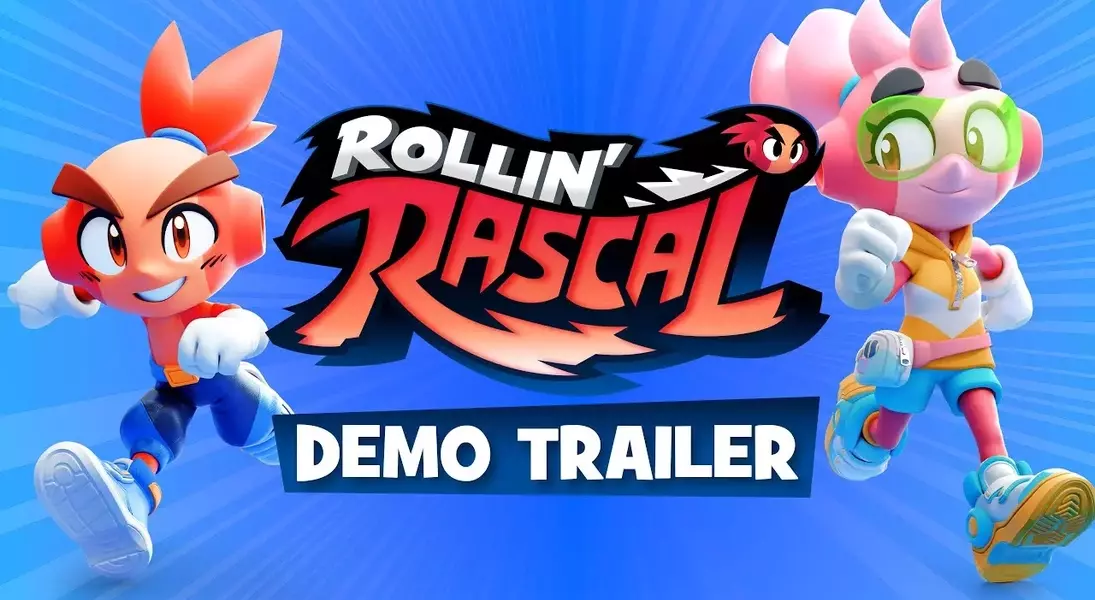

"Rollin' Rascal" offers a fresh perspective on the fast-paced 3D platformer genre, reminiscent of classic Sonic titles. Building upon the foundation laid by developer Gabriel Gonzales's previous work on fan-made Sonic projects, this game presents expansive levels filled with dynamic elements like ramps and grind rails, designed to maximize player momentum. The recent Steam Next Fest demo introduced a robust online multiplayer mode, allowing players to compete in ranked races. Despite some minor technical issues and a desire for more varied objectives, the game's core mechanics and thrilling sense of speed promise a captivating experience. It successfully evolves the beloved elements of early 3D platformers while addressing their past limitations.
The game's development is a testament to the enduring appeal of high-velocity platforming, particularly for those who appreciated the innovative spirit of the Dreamcast-era Sonic games. By focusing on fluid movement and vast environments, "Rollin' Rascal" empowers players to maintain incredible speeds and overcome obstacles with creative parkour-like maneuvers. The inclusion of competitive online races adds significant replay value, inviting players to master its unique physics and challenge others globally. This title is poised to carve out its own niche, captivating both veterans of the genre and newcomers seeking an adrenaline-fueled adventure.
Embracing the Legacy of 3D Platformers
Rollin' Rascal draws heavily from the adventurous spirit and momentum-based gameplay of early 3D Sonic titles, an era often viewed with mixed emotions but rich in untapped potential. The game distinguishes itself by refining these core mechanics, offering players a sense of boundless speed and fluid movement across sprawling, intricately designed levels. Its developer, having a background in successful fan-made Sonic projects, meticulously crafted an environment that encourages exploration and speedrunning. Players can expect to utilize character abilities like super-speed, air dashes, and grinding rails to navigate complex terrain, all while maintaining a continuous flow that defines the game’s exhilarating pace. This modern interpretation addresses many of the criticisms leveled against its inspirations, delivering a more polished and expansive experience. The goal is to provide a deeply satisfying movement system that rewards skill and creativity, allowing for truly dynamic traversal.
The design philosophy behind Rollin' Rascal centers on delivering an unadulterated high-speed experience, moving away from the more constrained level designs and narrative interruptions that sometimes hindered its predecessors. Instead, the game focuses on creating an open playground where players can experiment with different movement techniques and find their own optimal paths. The demo showcased how these mechanics translate into thrilling gameplay, with seamless transitions between various obstacles and speed-boosting elements. This approach not only caters to veteran speedrunners but also provides an accessible yet challenging experience for new players. The dynamic levels, replete with opportunities for maintaining momentum, ensure that players are constantly engaged in a frantic yet rewarding sprint towards the finish line. The game truly embodies the essence of speed, delivering a relentless and exciting journey.
Innovative Multiplayer and Future Potential
A significant highlight of Rollin' Rascal's latest demo is the introduction of ranked multiplayer races, a feature that significantly elevates the game's competitive dimension. These races integrate elements reminiscent of classic kart racers, including item boxes, yet maintain the distinctive momentum-based physics that define the game. This blend creates a unique competitive environment where strategic use of abilities and track knowledge is crucial for success. Although the demo's online player count was modest, suggesting a growing community, the fundamental strength of the gameplay mechanics indicates a promising future for its multiplayer component. The integration of competitive online modes transforms the single-player speedrunning experience into a vibrant, interactive challenge, where players can test their skills against others and climb the global ranks, further extending the game's longevity and appeal.
Despite its impressive foundations, the demo also revealed areas for refinement, such as occasional camera clipping and minor bugs, alongside a desire for more diverse objectives beyond simple race completion. These observations are typical for games in early development and highlight opportunities for enhancement before the full release. The developer's commitment to addressing player feedback and expanding on the already robust mechanics suggests a dedication to creating a truly polished final product. The potential for expanding the roster of playable characters, introducing new level designs, and implementing a wider variety of interactive elements could solidify Rollin' Rascal's position as a standout title in the genre. Its current state, while not flawless, clearly demonstrates a strong vision and a high potential to deliver an exceptionally engaging and competitive 3D platforming experience, appealing to a broad audience looking for fast-paced action and exhilarating challenges.
