
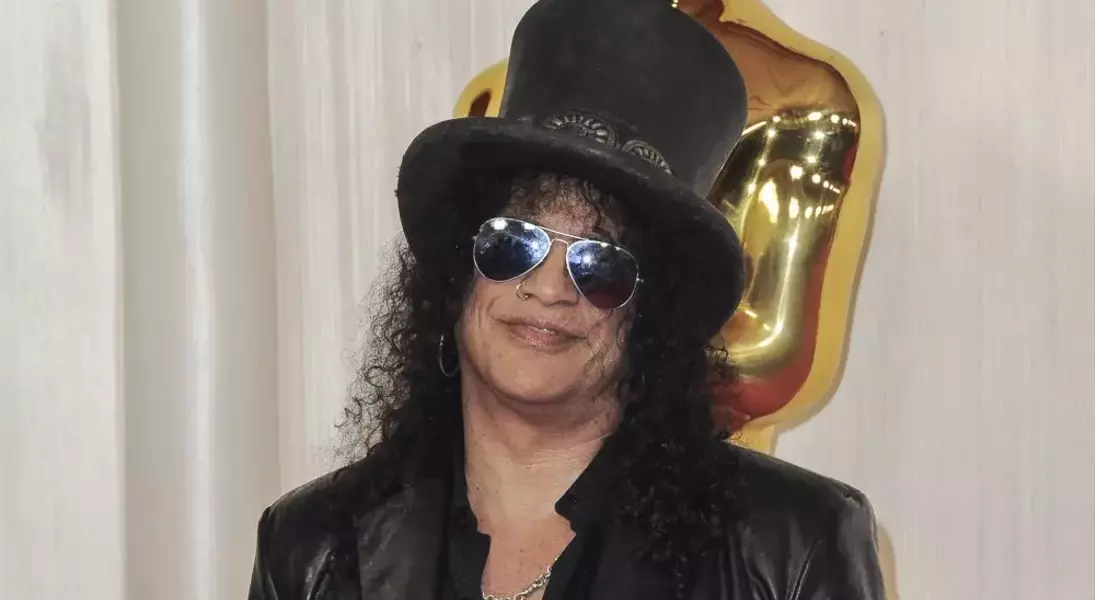

Renowned guitarist Slash, primarily known for his iconic work with Guns N' Roses, has significantly expanded his creative repertoire by delving into the world of film production. Through his horror film company, BerserkerGang, he has taken a hands-on approach to filmmaking, most recently with the reboot of the 1983 sword and sorcery cult classic, 'Deathstalker.' This venture highlights Slash's deep passion for cinema, particularly the horror genre, and his commitment to authentic storytelling. His journey from rock star to film executive producer reveals a dedication to the craft that goes beyond mere celebrity endorsement, showcasing a meticulous involvement in every stage of production, from script development to music composition.
The reboot of 'Deathstalker' premiered at the Locarno Film Festival, marking a significant milestone for BerserkerGang. Slash's connection to the original film dates back to his days working at Tower Video, where he developed an appreciation for its unique charm and humor, traits often missing in the more serious genre films of that era. This early exposure fostered a desire to resurrect the property with a fresh perspective, ensuring the new adaptation retained the essence of the original while appealing to a contemporary audience. The script, which deeply impressed Slash, aimed for a reboot rather than a direct remake or sequel, capturing the original's lightheartedness, sharp dialogue, and action sequences without taking itself too seriously.
A critical aspect of the production was securing the right directorial vision. Steven Kostanski, known for his work on 'The Void,' emerged as the ideal candidate. Slash, a long-time admirer of Kostanski's filmmaking, found a shared understanding of the 'Deathstalker' universe with the director. Their collaboration was underpinned by a mutual desire to employ practical effects over computer-generated imagery, a decision that resonated deeply with Slash's artistic sensibilities. This commitment to practical filmmaking was crucial, given the project's budget constraints, and it contributed significantly to the film's visual authenticity. The casting of Daniel Bernhardt as Deathstalker further solidified the creative team's vision, with early production dailies reinforcing the project's promising direction.
Slash's involvement extended to the film's score, where he collaborated with composer Bear McCreary on a reinterpretation of the original 'Deathstalker' theme. This musical partnership, bringing together his rock background with the film's needs, exemplifies his comprehensive engagement as a producer. He views the process of filmmaking akin to creating an album, emphasizing the collaborative nature and the satisfaction derived from bringing various components together to form a cohesive and gratifying final product. This perspective, he notes, was influenced by advice from music legend Keith Richards, who once remarked on how engaging with an instrument changes one's perception of music. Similarly, Slash finds that producing films has transformed his viewing experience, making him a more discerning and analytical observer of cinema.
Beyond horror, Slash harbors diverse cinematic interests, including Westerns, crime dramas, and psychological thrillers, highlighting his appreciation for strong narratives and character development across genres. While his production company currently focuses on horror, his broader tastes suggest potential future projects that diverge from the genre. He emphasizes his role as a producer as a labor of love, a natural fit for his ability to assemble talent and resources to bring creative ideas to fruition. Despite his deep involvement, Slash has no immediate plans to direct or write screenplays, recognizing the specialized skills required for those roles and preferring to remain in a capacity where he can oversee the collaborative process from a broader vantage point.
Ultimately, Slash's journey into film production is driven by the profound satisfaction of realizing a creative vision. Whether in music or film, the culmination of a project that meets his standards of excellence is the primary motivation. This pursuit of artistic fulfillment, coupled with lessons learned from decades in the music industry regarding collaboration and perseverance, underpins his endeavors in the cinematic landscape.
