
A recent legislative mandate from the 2021 Infrastructure Investment and Jobs Act (IIJA) called for all new vehicles to be equipped with cutting-edge technology designed to prevent impaired driving. This directive aimed to significantly reduce road fatalities by ensuring that drivers under the influence could not operate a vehicle. However, the sophisticated systems required to passively detect impairment, without relying on traditional breathalyzers, are not yet available. This technological gap, coupled with concerns from the automotive industry and legislators regarding potential false readings and infringements on civil liberties, has created substantial delays in the implementation of this ambitious safety initiative.
Impaired Driving Prevention Faces Significant Hurdles in U.S. Automotive Industry
In an effort to enhance road safety, the U.S. Congress, through the 2021 Infrastructure Investment and Jobs Act, stipulated that all new vehicles, starting with the 2028 model year, must incorporate advanced technology to prevent impaired driving. This groundbreaking legislation was conceived to tackle the persistent issue of driving under the influence (DUI), which continues to claim numerous lives annually. The core challenge, however, lies in the non-existence of the specified technology.
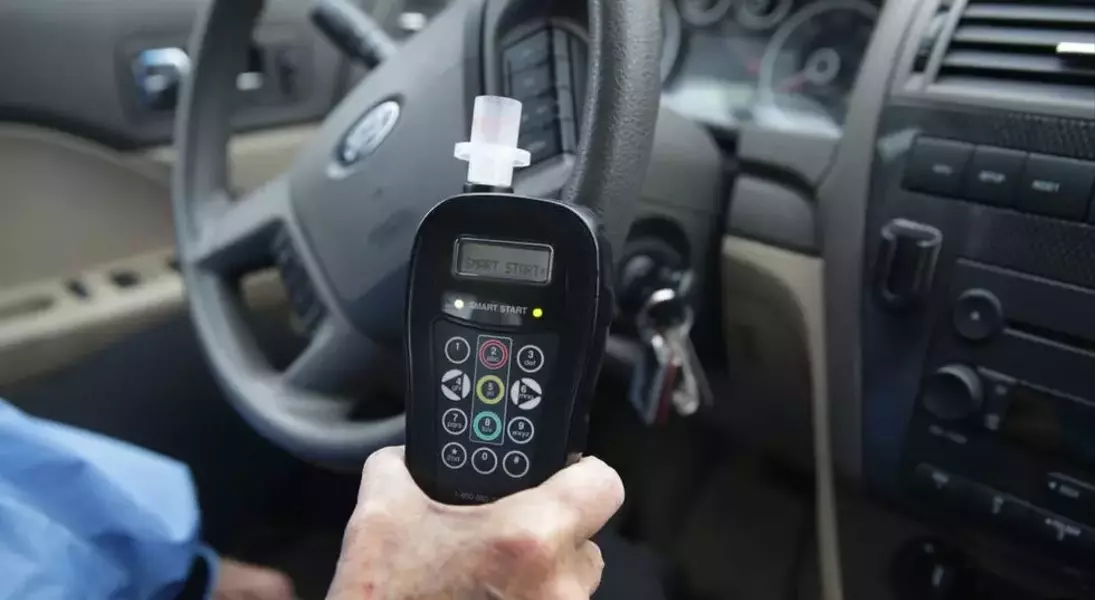
Traditional ignition interlock devices (IIDs) already exist, primarily mandated for repeat drunk driving offenders. These devices typically require a breathalyzer test before allowing a vehicle to start. The IIJA, however, demands a more advanced, passive system capable of detecting impairment without direct driver interaction. Researchers are exploring various methods, including skin-based alcohol concentration sensors in common touchpoints like steering wheels, in-cabin exhalation analysis, and sophisticated monitoring of driver behavior—such as steering inputs and eye movements—to identify signs of drowsiness or distraction.
This ambitious mandate has encountered significant resistance. The Alliance for Automotive Innovation, a prominent lobbying group representing car manufacturers, has voiced strong concerns. They fear that even infrequent erroneous detections from an immature system could unjustly impede law-abiding motorists, leading to widespread frustration and potential legal challenges.
Political opposition has also emerged, notably from U.S. Representative Thomas Massie (R-Ky.). Representative Massie has been a vocal critic, arguing that such a mandatory system could infringe upon civil liberties. He has challenged the feasibility and implications of a vehicle autonomously deciding a driver is unfit, and has co-sponsored legislation to overturn the rule. While some opponents have exaggerated the potential for cars to automatically summon law enforcement, the National Highway Traffic Safety Administration (NHTSA) has yet to finalize a concrete plan for how the system would respond to detected impairment. Responses could range from simple warnings to more assertive interventions, depending on the severity and type of impairment, and could occur either before or during vehicle operation.
Given the current state of technology development and the ongoing political and industrial debate, the likelihood of these advanced IIDs being integrated into 2028 model year vehicles is extremely low. Consequently, NHTSA is now required to issue annual reports explaining the delays in implementation, a provision that will remain in effect for a decade following the IIJA's enactment in November 2021. The journey towards truly passive impaired driving prevention technology remains long and complex, with its immediate future shrouded in uncertainty, much like the alcohol content of a bottle of kombucha.
The push for advanced impaired driving prevention technology, while noble in its intent, highlights the complex interplay between legislative ambition, technological readiness, and civil liberties. It underscores the critical need for robust research and development to create systems that are both effective and non-intrusive. Furthermore, this situation serves as a powerful reminder of the importance of thoughtful public discourse when introducing technologies that could profoundly impact individual freedoms and daily life. Balancing public safety with personal autonomy is a delicate act, and this case exemplifies the challenges inherent in achieving that equilibrium.
