In recent times, the cost of gasoline has experienced a notable escalation, reaching a peak not observed in close to four years. This sharp increase follows a short interval of reduced prices in April, with current trends indicating a continuous upward trajectory since April 22nd, when the national average briefly touched $4.02 per gallon. The underlying cause is widely believed to be persistent international conflicts impacting global oil markets.
The national average for regular gasoline has climbed to $4.48 per gallon, marking the highest point since July 2022. This represents a substantial increase of $1.50 per gallon since late February, coinciding with the onset of a major conflict in Iran that profoundly influenced oil prices. Initially, there was a glimmer of hope for a quick resolution, leading to a temporary dip in fuel costs for about two weeks. However, this optimism has since dissipated, and prices have resumed their upward trend. Before this surge, consumers had enjoyed relatively stable and lower prices, with the national average hovering around $2 per gallon for much of December, January, and February—a sustained period not seen in nearly five years.
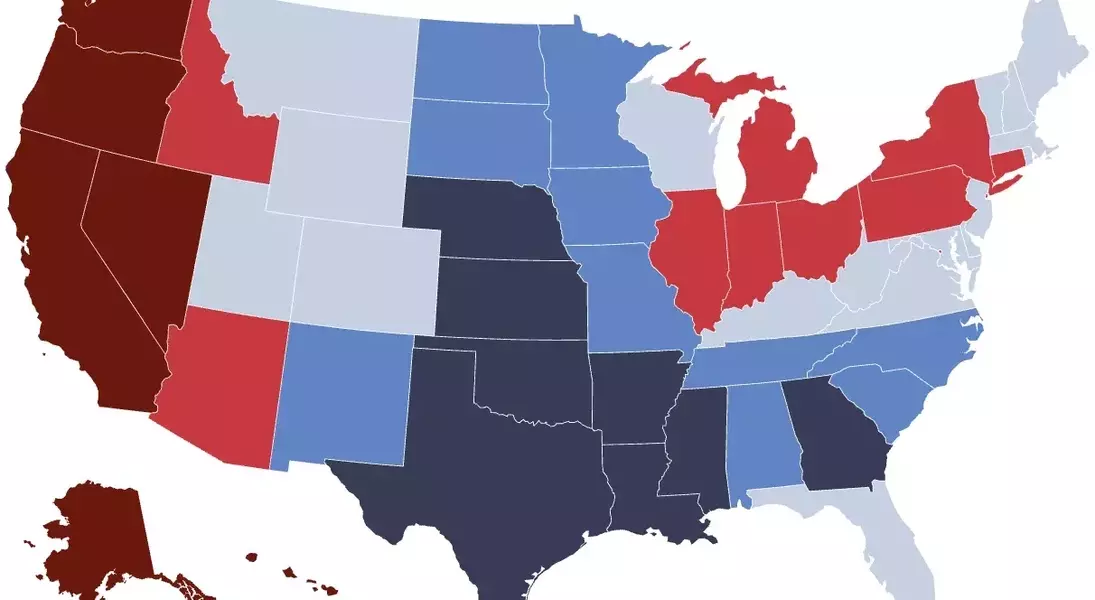
The price of fuel at the pump varies significantly from state to state, a phenomenon that persists despite broader national trends. These disparities are rooted in several factors, including state-specific fuel taxes, production costs, and the efficiency of distribution networks. For instance, in 2023, federal and state taxes constituted over 14% of the average per-gallon price, highlighting how differing tax rates among states directly influence consumer costs. Proximity to major oil refineries and established pipeline systems also plays a crucial role; states with better access typically incur lower transportation expenses, while more remote regions may face supply bottlenecks that drive prices higher. Additionally, some states, like California, enforce stricter environmental regulations that necessitate cleaner-burning fuel blends. These specialized fuels are produced by fewer refineries, contributing to higher prices in those areas. When global oil prices, such as those driven by the ongoing conflict, experience sharp increases, these existing regional cost differences become even more pronounced. Even if crude oil prices were to fall, these fundamental local factors would continue to cause variations in pump prices across the country.
As oil prices continue their upward climb, driven by geopolitical instability, fuel costs across the United States have reached multi-year highs. This has led to substantial variations in what drivers pay at the pump, with some states seeing prices remain below $4 per gallon, while others face costs exceeding $6. These regional differences are primarily influenced by varying state taxes on fuel, the proximity to refining and distribution infrastructure, and specific environmental regulations. Consequently, the financial impact on consumers depends heavily on their geographic location.
