The landscape of energy generation is undergoing a significant transformation with the advent of plug-in solar panels, an innovation poised to redefine how individuals access and utilize solar power. These user-friendly systems offer a direct and immediate way for consumers to reduce their electricity expenses, a compelling factor amidst escalating energy prices. However, their widespread adoption in the United States is encountering substantial pushback from traditional utility providers, who are raising questions about safety and regulatory compliance. This developing narrative highlights a critical juncture where innovation meets established infrastructure, prompting a reevaluation of energy policies and consumer access to sustainable alternatives.
Democratizing Solar: The Battle for Accessible Energy in a Changing Climate
The Emergence of User-Friendly Solar Technology and Its Appeal
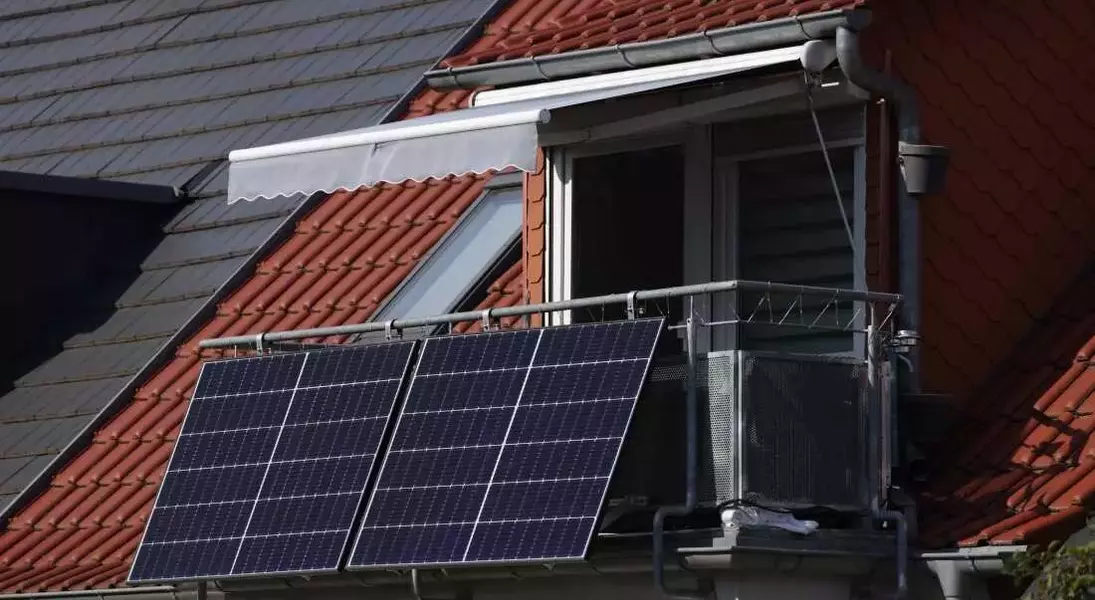
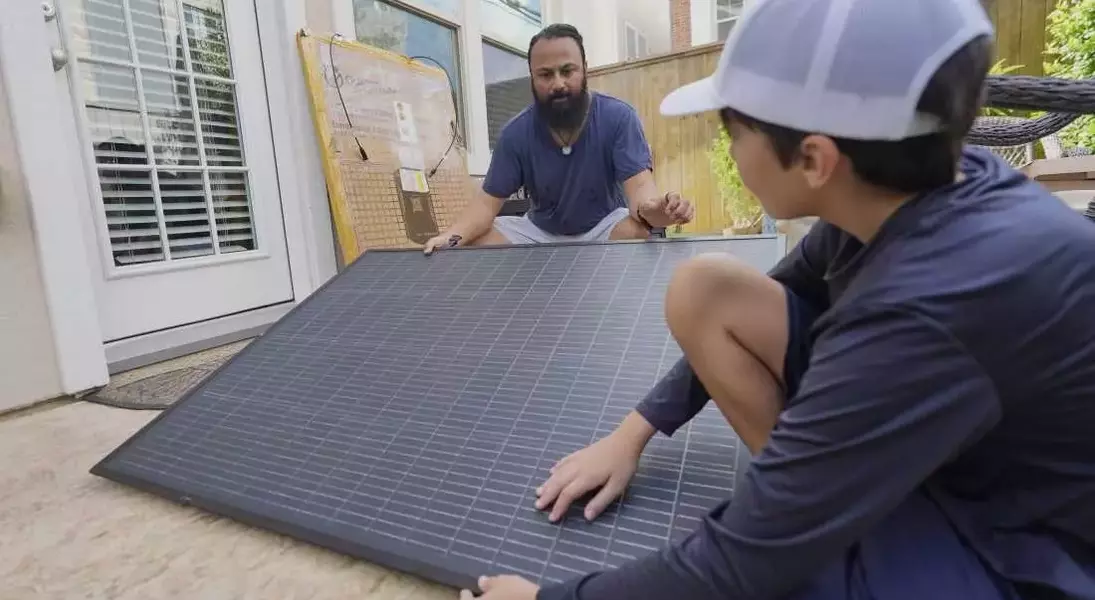
A new wave of solar technology, featuring panels that simply plug into standard electrical outlets, is rapidly capturing public interest. This accessibility is particularly attractive to a population grappling with increasing utility bills. Unlike complex rooftop installations, these "balcony solar" units allow homeowners and renters alike to begin generating their own electricity and saving money almost instantly. This ease of use marks a significant shift in personal energy management, offering a decentralized approach to power generation.
The German Precedent: A Model for Widespread Adoption
The success of plug-in solar is not merely theoretical; it's a proven reality in nations like Germany. With over 1.2 million such systems officially registered, Germany stands as a testament to the viability and public acceptance of these compact solar solutions. This European precedent provides a compelling case study for advocates in the U.S., demonstrating the potential for broad consumer participation in renewable energy when barriers to entry are minimized.
Navigating Regulatory Hurdles and Utility Opposition
Despite the clear benefits, the path to widespread adoption in the U.S. is fraught with challenges, primarily from electric utility companies. These entities often mandate complex connection agreements, typically reserved for larger solar installations, arguing they should apply to plug-in panels as well. Such requirements, coupled with associated permitting and installation expenses, can significantly inflate the cost of solar energy. This regulatory entanglement has become a key point of contention between pro-solar advocates and utility providers.
Legislative Initiatives and the Stalling Tactics of Energy Providers
In response to the growing interest in plug-in solar, state legislatures across the U.S. have introduced numerous bills aimed at streamlining the adoption process by waiving cumbersome utility connection rules. Utah has already led the way, with other states considering similar measures. However, utility companies are actively lobbying against these changes, primarily by emphasizing safety concerns. This strategic resistance has successfully delayed legislative action in several states, highlighting the ongoing tension between traditional energy models and emerging renewable technologies.
Unpacking Safety Concerns: Fact Versus Strategy
A central argument employed by utilities to impede plug-in solar legislation revolves around safety. They contend that these smaller, more accessible panels pose unique electrical hazards, particularly for utility workers during power outages. However, proponents of plug-in solar, including organizations like Bright Saver, argue that these safety claims are often exaggerated and serve as a tactic to protect existing business models. They assert that every kilowatt-hour generated by a plug-in panel represents a direct reduction in the utility's revenue, suggesting an economic motive behind the resistance.
Addressing Safety Through Certification and Innovation
While acknowledging that any electrical appliance carries inherent risks, safety experts confirm that the specific concerns associated with plug-in solar panels can be effectively managed. Organizations such as UL Solutions, a prominent developer of safety standards, have introduced testing and certification programs specifically for these devices. This ensures that plug-in solar products meet rigorous safety benchmarks before reaching consumers. Such certifications, often mandated by proposed legislation, aim to build public trust and reassure policymakers that the technology can be deployed safely.
The German Experience: A Rebuttal to Safety Arguments
The extensive deployment of plug-in solar in Germany offers a powerful counter-argument to the safety concerns raised by U.S. utilities. With over a million systems in operation, studies funded by the U.S. Department of Energy have reported no safety incidents attributed to the panels when used as intended. This real-world data from a country with mature plug-in solar infrastructure undermines the utilities' primary objection and suggests that with proper standards and consumer education, safe operation is entirely achievable.
Economic Imperatives and the Future of Distributed Energy
The economic benefits of plug-in solar are undeniable. In Germany, the modest upfront investment can be recouped through energy savings within a few years, with panels offering decades of power generation. This compelling financial incentive is a major driver for consumer adoption. Advocates foresee a similar surge in the U.S., contingent on legislative reforms that remove regulatory barriers and foster a more competitive energy market. The anticipated passage of supportive legislation in states like Virginia could signal a turning point, ushering in an era of more accessible, affordable, and sustainable energy for a wider population, including apartment dwellers and those unable to afford large-scale installations.
