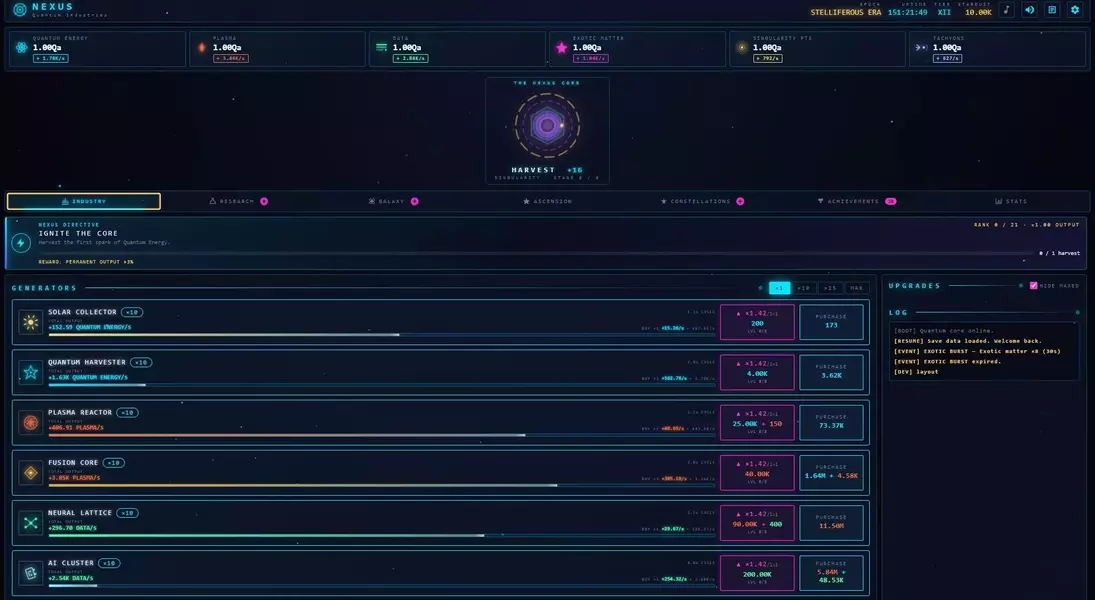
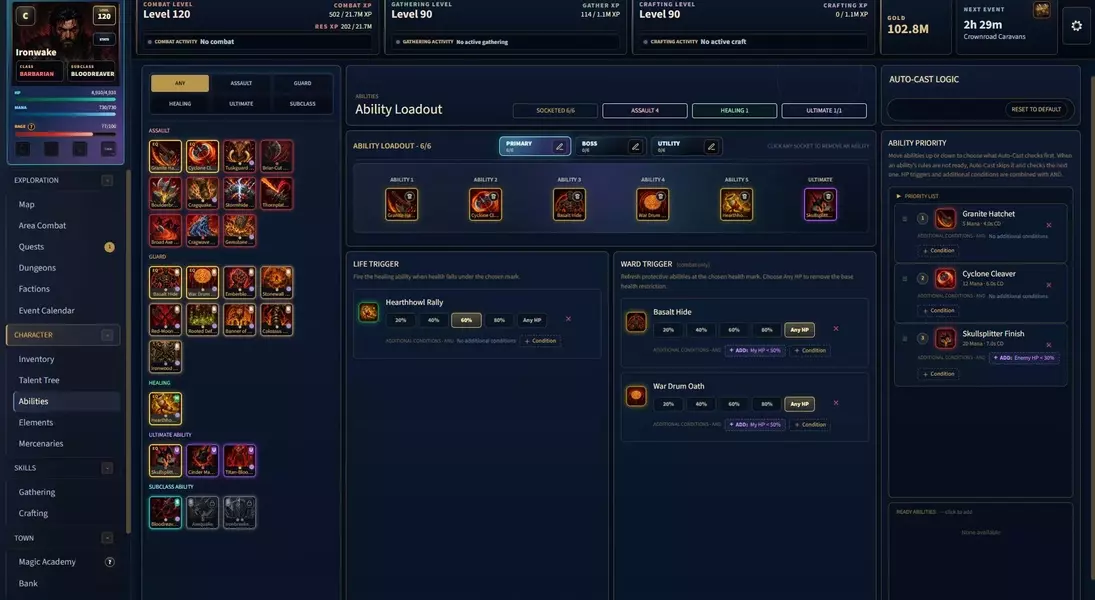
Initially, when games like Cookie Clicker and Candy Box emerged in 2013, they were largely perceived as novelties or humorous takes on the 'numbers go up' RPG concept. However, this perception quickly shifted as these titles captivated many, including myself and numerous online communities, showcasing an unexpected addictive quality.
Fast forward over a decade, and these incremental games, now widely known as 'idlers,' have established a significant presence on Steam. In the last week alone, 54 new games featuring the 'idler' tag were introduced, contributing to a total of 4,314 such titles available on the platform. This dramatic increase is further highlighted by the fact that the number of idler games launched this year has already reached 1811, compared to 100 in 2020 and 1033 in 2023, with thousands more currently in development.
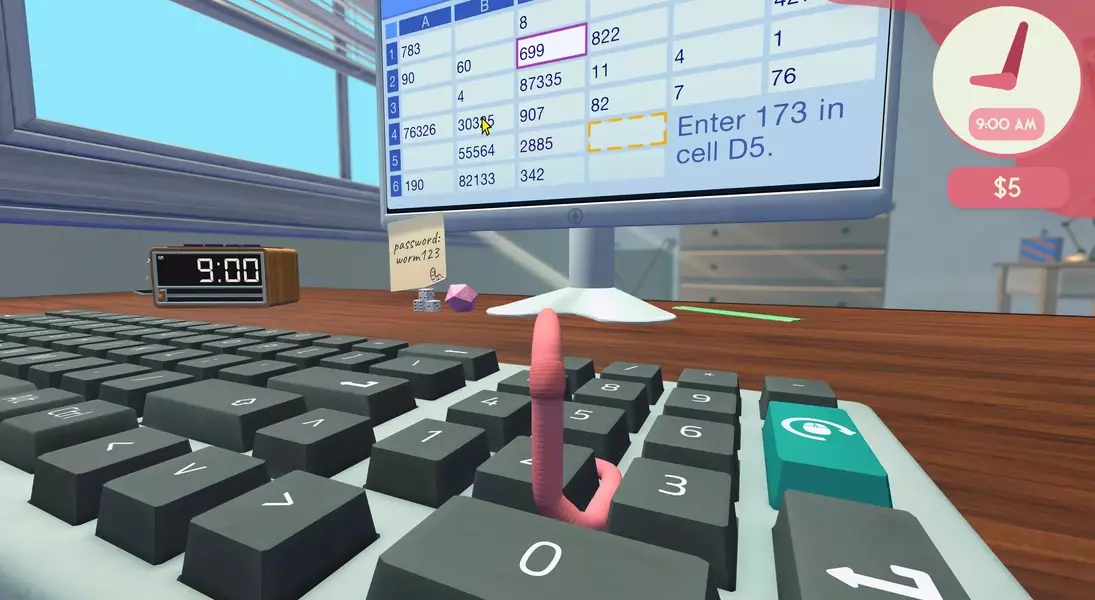
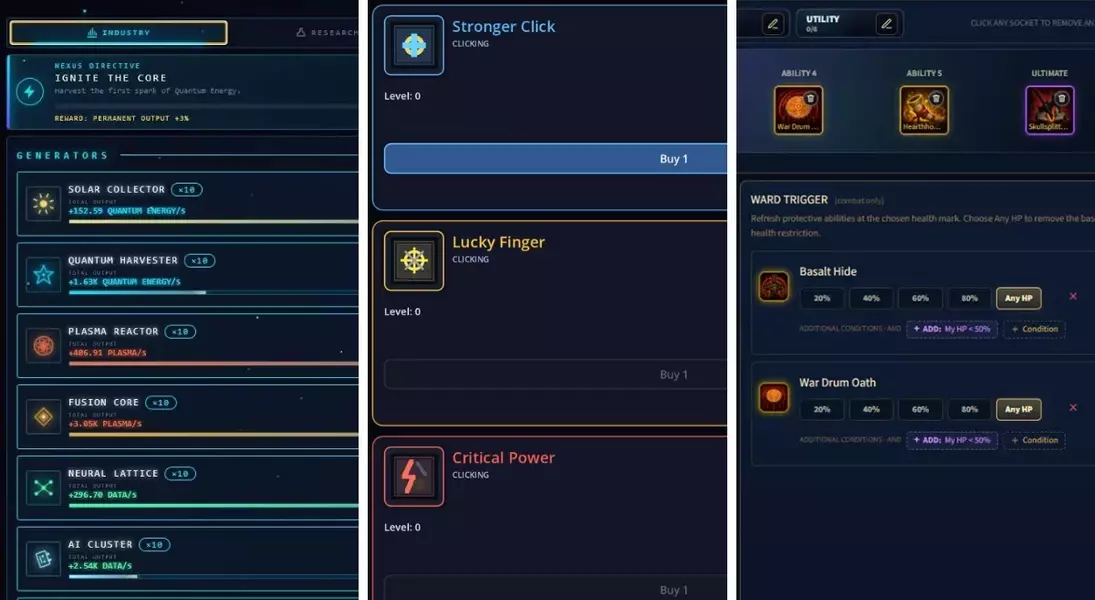
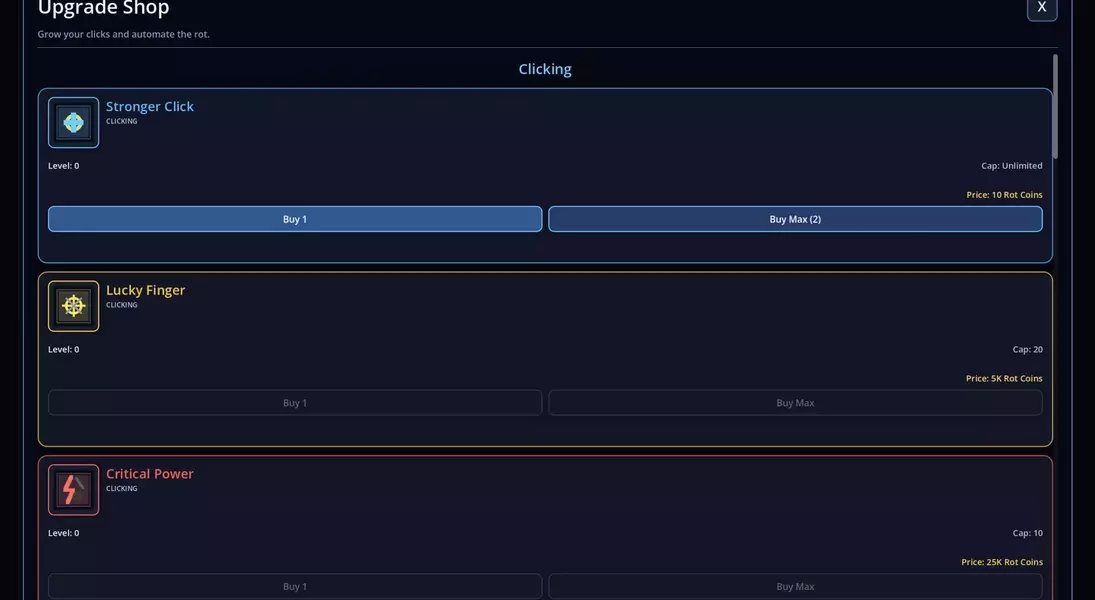
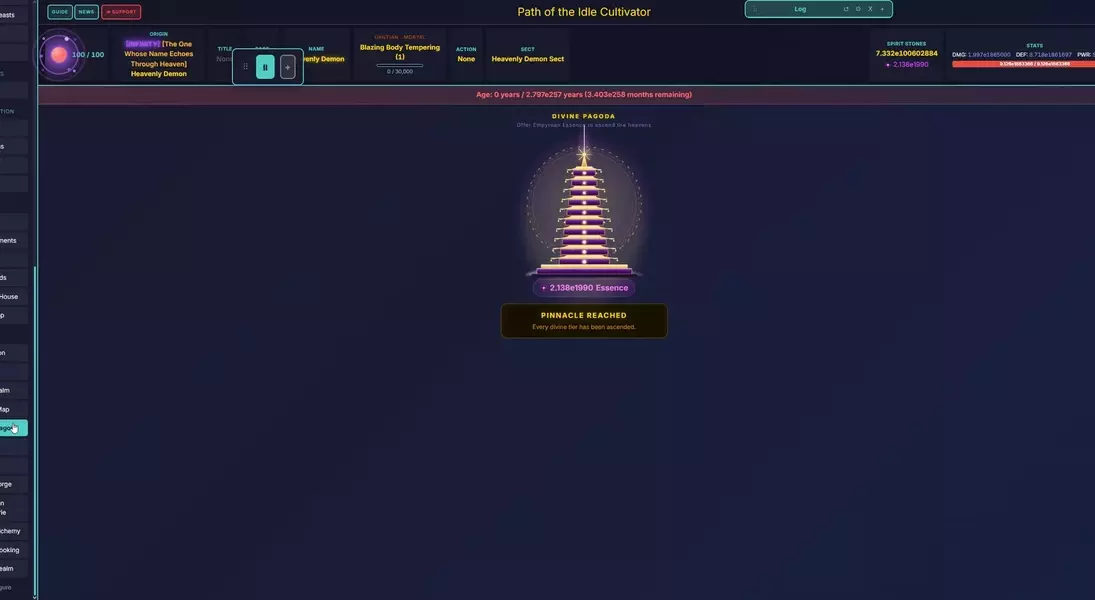
Observing their AI disclosures reveals a common reliance on artificial intelligence for various aspects of development. Many games explicitly state the use of AI for generating images, visual assets, written content, and even translations. This widespread use of AI explains the uncanny resemblance in user interfaces among many of these new idler games, particularly their shared preference for dark blue backgrounds and similar layouts. While a few titles like 'Next Reign: Kingdom' and 'We Need More Humans!' attempt to distinguish themselves with unique aesthetics or concepts, the overwhelming majority, often with AI disclosures, contribute to a sense of generic repetition. This proliferation of AI-assisted, 'numbers go up' games has created a "brainrot" phenomenon on Steam, transforming what was once a niche, satirical genre into a dominant and somewhat homogeneous segment of the gaming market.
The burgeoning landscape of idler games on Steam, propelled by generative AI, presents both opportunities and challenges for the gaming industry. While it democratizes game creation, it also raises questions about originality and market saturation. Moving forward, fostering creativity and innovation will be crucial to ensure that the genre evolves beyond mere numerical progression and offers genuinely engaging experiences for players.
