

The gaming platform Steam is currently experiencing an interesting surge in titles revolving around the seemingly simple concept of locating a needle within a haystack. This phenomenon began with the unexpected virality of an initial game and has since led to a proliferation of similar offerings. This article examines the reasons behind this peculiar trend, the characteristics of these games, and the broader implications for the indie game development landscape, where rapid imitation often follows novel success.
This week’s Steam news highlights the surprising success of certain niche titles and the ongoing battle against market saturation. Beyond the ‘haystack’ game trend, the platform also saw continued dominance from established multiplayer titles and notable achievements from specific RPGs. The revenue charts reveal consistent performers and some unexpected breakouts, showcasing the diverse appeal of the Steam marketplace and the varied approaches developers take to capture player attention, from highly anticipated sports simulations to critically acclaimed indie role-playing experiences.
The Proliferation of ‘Haystack’ Games on Steam
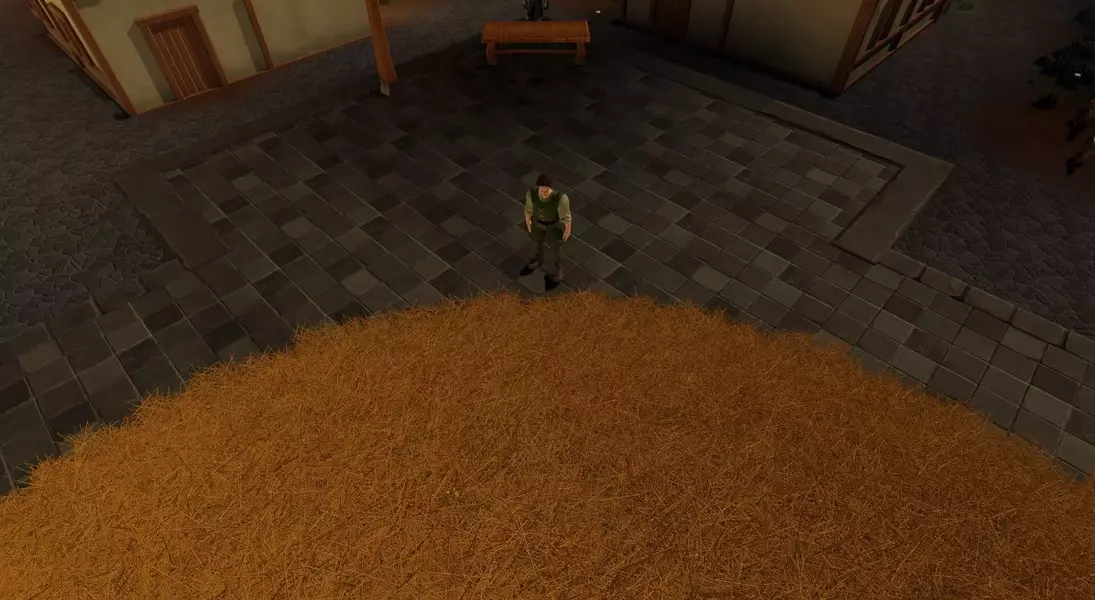
The gaming world, particularly on Steam, has long been familiar with the concept of cloning, where successful game ideas quickly inspire numerous similar titles. Historically, iconic games like “Mario Bros” have spawned many imitators, and more recently, “Stardew Valley” has seen its share of emulators. A new and particularly vivid illustration of this trend is the recent explosion of “haystack” games. Titles like “A Needle In A Haystack,” “Needle in a Haystack,” “Needle In A Haystack - A Time For Goats,” and “Story of The Needle In a Haystack” have flooded the market, demonstrating a unique form of market saturation. This phenomenon, which can be described as the “slopification” of Steam, highlights how quickly a quirky concept can be replicated, often leading to a diluted market filled with low-effort copies. The original “Needle In A Haystack Simulator,” despite its seemingly mundane premise, garnered significant attention, attracting around 23,000 players during an August playtest, signaling an unexpected demand for games centered around repetitive, almost meditative tasks. This suggests a niche market for experiences that offer a form of digital escapism through simple, focused objectives, even if the novelty soon wears thin.
The popularity of these “haystack” games is not entirely surprising, given the current trend of simulation and incremental games that focus on mundane and repetitive tasks. “Needle In A Haystack Simulator,” for example, blends elements of sorting games with incremental progression: players meticulously search through hay, not only to find the needle but also to discover items that can be sold to upgrade their hay-sorting technology. While this gameplay loop might sound tedious to some, it undeniably appeals to a segment of the gaming community. However, the rapid emergence of numerous copycat games poses challenges for both original creators and players. “Needle In A Haystack - A Time For Goats,” which released ahead of the original simulator, sold a thousand copies within a week, with its developers asserting they were already deep in development when the trend exploded. In an attempt to stand out, “Needle In A Haystack - A Time For Goats” even introduced an unexpected first-person shooter endgame, a move that drew mixed reactions from its player base. The existence of “A Needle In A Haystack: Sorting Game,” which received poor reviews, further illustrates the variable quality within this quickly expanding genre. The creator of the viral “Needle In A Haystack Simulator” candidly admitted the game’s “ultimate slop” nature, acknowledging the humor but also the underlying opportunistic behavior of some developers. This rush to replicate popular concepts means that genuine innovation is often overshadowed by quick, uninspired imitations, underscoring the risks of a viral hit in a highly competitive digital marketplace where every novel idea can quickly be turned into “shovelware” by those looking to make a quick profit.
Steam’s Bestsellers and Hidden Gems
Beyond the oddity of “haystack” games, the Steam platform continues to showcase a diverse range of popular titles based on weekly revenue reports. “Wardogs” has maintained its top position, selling three million units since its pre-order launch, a significant achievement for a live-service multiplayer game in an increasingly competitive market. This success story for UK-based Bulkhead studio demonstrates the potential for new multiplayer experiences to thrive when they capture player interest effectively. Close behind, “EA Sports FC 27” secured the second spot based on pre-order sales alone, underscoring the enduring popularity of sports simulations and the loyalty of their fanbases. Given its release date, it is highly anticipated to claim the top spot in subsequent weeks. Interestingly, the development of “FC 27” incorporated generative AI for some pre-rendered and live-generated content, with developers emphasizing that human artistic and creative direction remained central to the process. This highlights an emerging trend in game development, where AI tools are used to augment creative workflows without replacing human ingenuity.
Meanwhile, the “deep cuts” section of Steam reveals a fascinating landscape of lesser-known but highly acclaimed titles. “Trails in the Sky 2nd Chapter” is a notable success, achieving “overwhelmingly positive” reviews despite being a niche JRPG, demonstrating a strong, dedicated audience for specific genres. Other interesting releases include “Antartida,” a narrative-driven survival game set in the harsh Antarctic environment, featuring complex vehicle operation and a concise one-hour playtime. The “Alien Breed 35th Anniversary Collection” brings together classic top-down shooters and ambitious first-person entries from the Amiga era, appealing to genre enthusiasts and retro gamers. “Normal Golf Game” subverts expectations, offering a “body drama” take on golf that makes the simple act of hitting a ball incredibly challenging and engaging, earning it high praise. Finally, “Slow Roads” stands out as a “zen driving game” with procedurally generated environments, providing a calming and non-competitive experience where players can simply enjoy the journey, whether in a car, coach, or on a bike. These examples showcase the rich variety available on Steam, proving that while big-budget titles and viral trends grab headlines, there is still ample space for innovative, niche, and critically celebrated games to find their audience and succeed.
