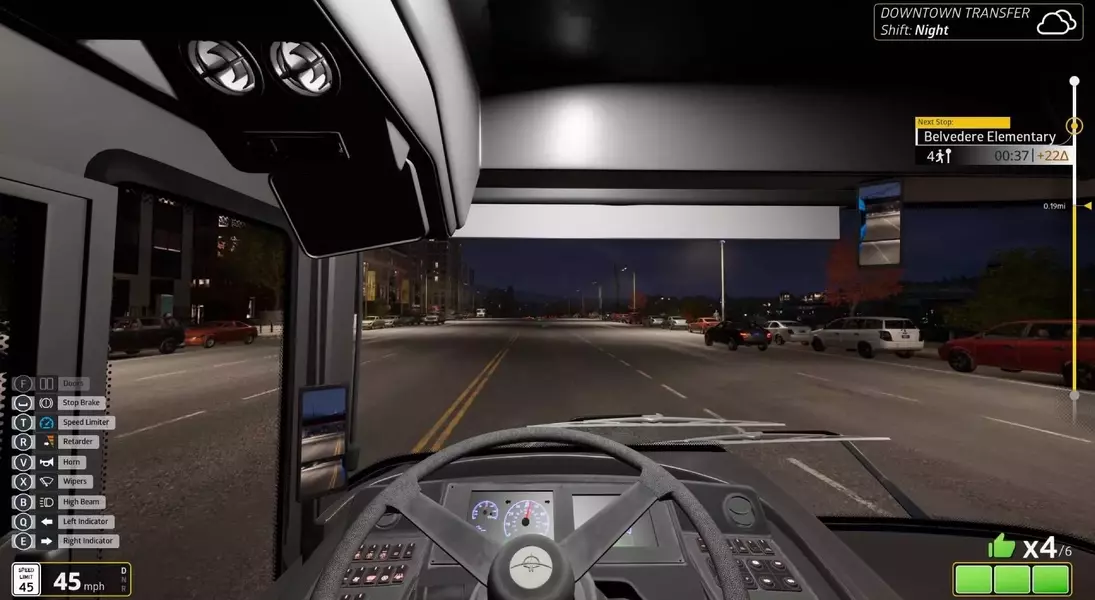
In the expansive realm of virtual entertainment, bus simulator games are carving out a distinct niche, offering enthusiasts a unique blend of realism and strategic gameplay. This year has witnessed a notable surge in such titles, with 'The Bus' and 'Bus Bound' leading the charge, and the highly anticipated 'Bus Simulator 27' on the horizon. This report provides a detailed examination of these virtual driving experiences, contrasting their approaches to simulating the daily challenges and responsibilities of a bus driver, from navigating city streets to managing passenger expectations and vehicle maintenance.
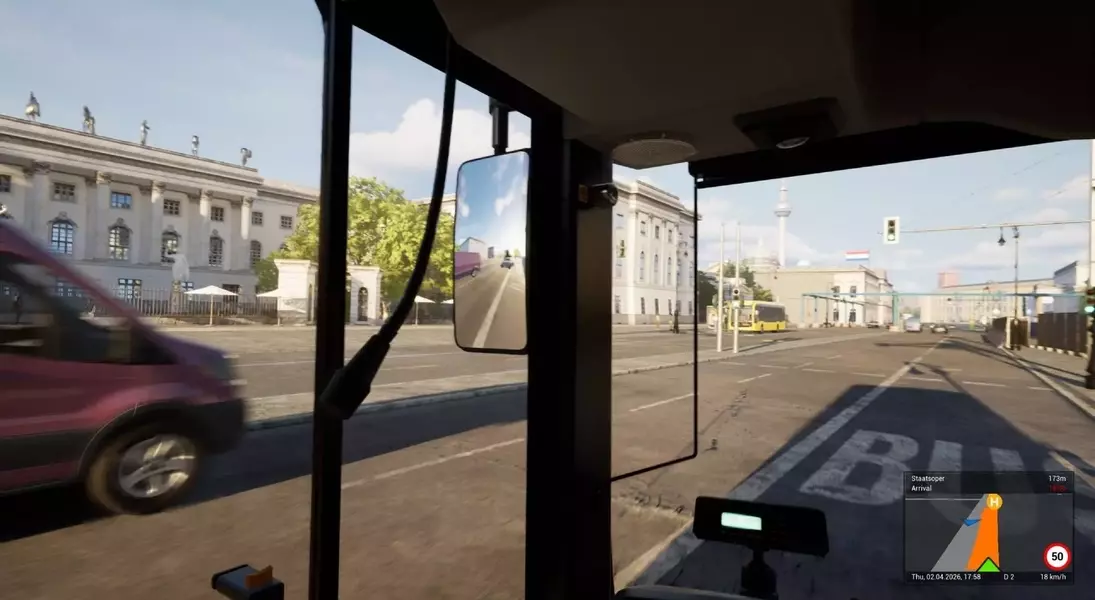
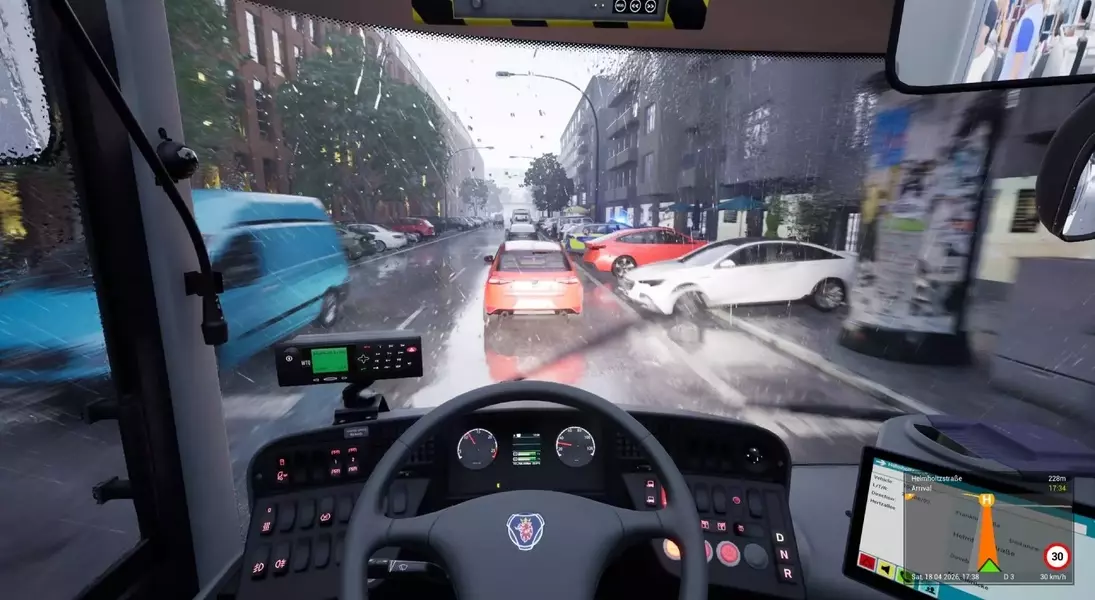
For those drawn to the precision and demands of operating a public transport vehicle, the current gaming landscape presents a compelling array of choices. 'The Bus,' developed by TML-Studios and published by Aerosoft, emerged from a five-year early access period to a full release in March. TML-Studios, renowned for its niche simulation offerings like 'Fernbus Coach Simulator' and 'Forklift Simulator,' brings its expertise to recreating the intricate details of bus operation within a meticulously rendered Berlin. Players in 'The Bus' are tasked with not just driving but also managing a nascent transit company, including vehicle acquisition and personnel oversight, emphasizing a deep economic simulation.
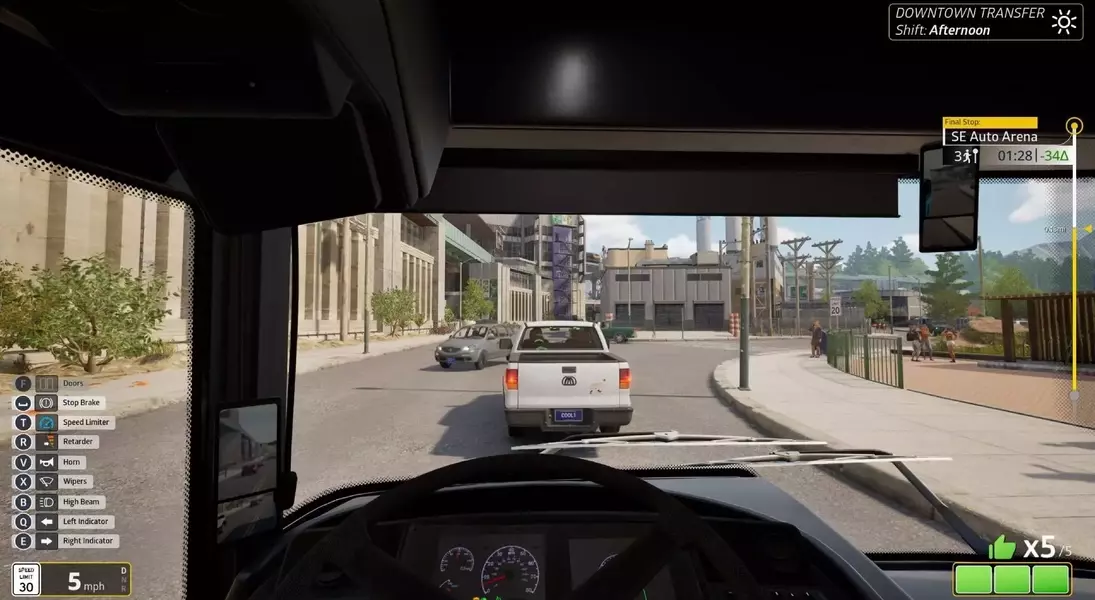
In contrast, 'Bus Bound,' released by Stillalive Studios in April, offers a more arcade-like interpretation of bus driving. While Stillalive Studios has a history with the genre, having developed 'Bus Simulator 16,' '18,' and '21,' 'Bus Bound' differentiates itself by streamlining certain elements. Passengers ride for free, eliminating the need for fare collection, and player progression is tied to an approval rating system. Successful navigation and adherence to traffic laws increase this rating, unlocking new routes and expanding the fictional American city of Emberville.
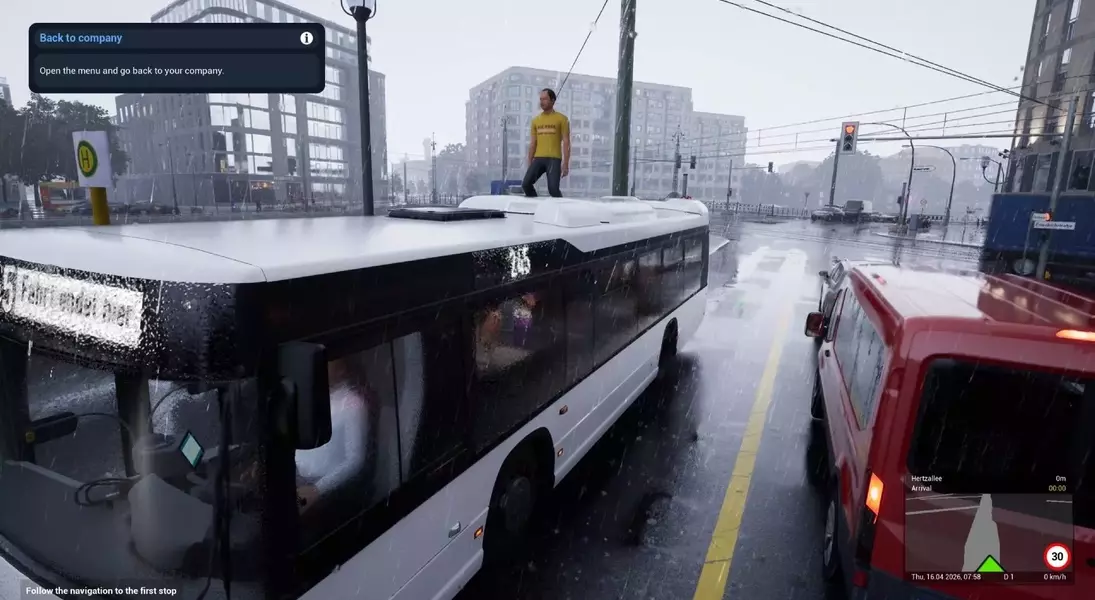
Both titles, despite their differing philosophies, share common ground in their challenges, particularly concerning the vitality of their virtual environments. While 'Bus Bound' attempts to create a dynamic city that evolves with player progress, both games often fall short in delivering truly immersive and lively urban settings. NPCs in both simulations exhibit peculiar behaviors, ranging from passengers appearing atop buses in 'The Bus' to disappearing upon disembarking in 'Bus Bound.' However, 'Bus Bound' does stand out for its more sophisticated traffic AI, where other vehicles react realistically to player signals, enhancing the driving experience in complex situations.
Looking ahead, 'Bus Simulator 27,' developed by Simteract, who previously worked on 'Train Life' and 'Taxi Life,' promises to further expand the genre. Set in the fictional European region of Felicia Bay, inspired by Spain and Portugal, it aims to offer a broader scope with rural areas, the option to drive coaches, and even on-foot exploration to uncover landmarks and collectibles. The game also boasts officially licensed vehicles from thirteen manufacturers, suggesting a strong focus on authenticity for vehicle enthusiasts.
Ultimately, the quest for the definitive bus driving simulator continues. 'Bus Bound,' with its engaging, personable approach, appeals to those seeking a less rigorous, more charming experience. 'The Bus,' on the other hand, caters to players who crave a more profound and realistic simulation, despite its current technical imperfections and steeper learning curve. As 'Bus Simulator 27' approaches, it holds the potential to blend the best aspects of its predecessors, but the true test will be its hands-on gameplay. Until then, players can choose their preferred route to virtual bus mastery or revisit classic titles like 'OMSI 2' for a dose of raw realism.
