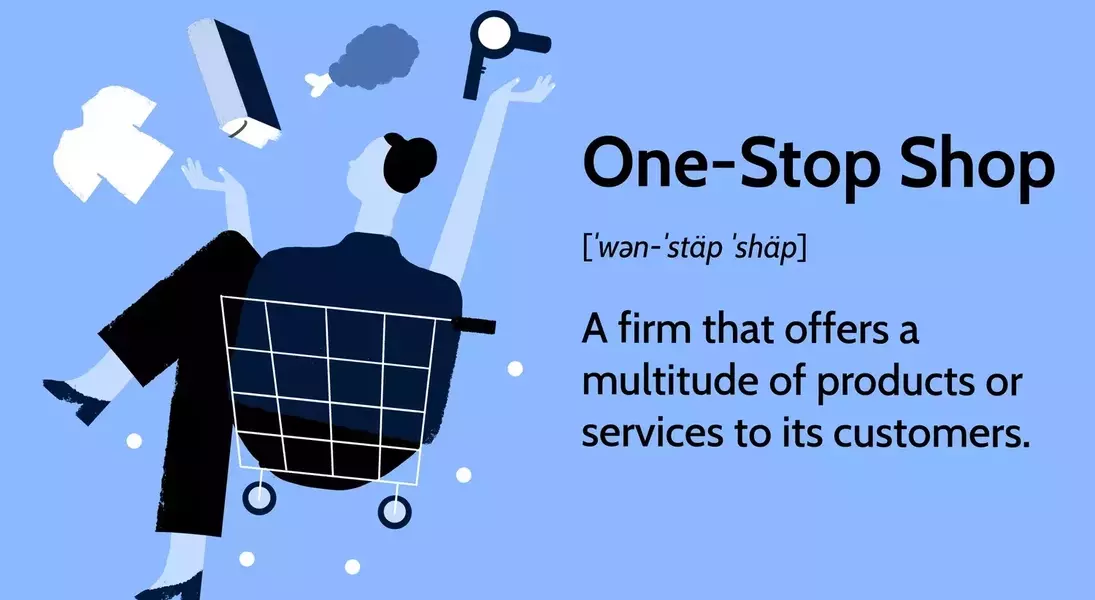
The concept of a "one-stop shop" has revolutionized the consumer experience by bringing together a wide array of products and services under a single roof or within a unified digital platform. This innovative business model, which has roots stretching back to the early 20th century, aims to simplify life for consumers by addressing multiple needs simultaneously, saving them valuable time and effort. From daily essentials to specialized financial advice, these integrated businesses streamline transactions and enhance accessibility.
The Integrated World of One-Stop Shops
In the bustling landscape of commerce, the "one-stop shop" stands as a beacon of efficiency, offering a consolidated approach to meeting consumer needs. This dynamic business model, whether housed in a physical store or operating as a digital platform, provides a diverse range of products and services, creating an unparalleled level of convenience. Businesses such as major retailers, department stores, and e-commerce giants like Amazon embody this principle, enabling customers to fulfill various requirements without the need to frequent multiple establishments.
The operational philosophy of these integrated entities centers on customer-centricity. By bringing together disparate offerings, they aim to capture a larger share of consumer spending and foster loyalty. Initially focused on providing a broad selection of goods to consolidate grocery trips, the concept expanded to encompass business services, giving rise to financial supermarkets in the 1980s. Institutions like Merrill Lynch began offering an extensive suite of services, including retail banking, insurance, credit cards, and even real estate, transforming into comprehensive financial hubs. This strategic expansion generates new sales opportunities, driving revenue growth from both existing and new clientele.
The evolution of the one-stop shop traces back to the early 1900s in the United States, driven by the burgeoning automobile industry and the need for consolidated services from sales to repairs. Early innovators like Piggly Wiggly, established in 1916 as the first self-service grocery store, and A&P, which rapidly expanded in the 1920s, pioneered the modern supermarket concept. King Kullen further advanced this with its 6,000-square-foot supermarket in 1930. Chain stores such as Woolworths and J.C. Penney also capitalized on this trend, offering a wide array of everyday items. More recently, Amazon, which started as an online bookstore, epitomizes the digital one-stop shop, now offering everything from household goods to streaming services.
The advantages for consumers are clear: unparalleled convenience and simplified task management. For businesses, this model translates into enhanced customer loyalty, allowing for more personalized service offerings, such as integrated tax and estate planning. This holistic view enables businesses to proactively meet client needs, potentially minimizing financial burdens. Furthermore, a diverse product and service portfolio ensures a steady revenue stream, particularly during economic fluctuations, by catering to various price points and demands.
However, the one-stop shop model is not without its challenges. The adage, "Jack of all trades, master of none," often rings true, as breadth of service can sometimes come at the expense of specialized expertise found in niche providers. Consumers might find their options limited to the proprietary offerings of a single entity, and while economies of scale can sometimes reduce costs, convenience often carries a premium. From a business perspective, overextending services can dilute the quality of core competencies, potentially eroding the very foundation of their initial success.
In the contemporary market, numerous examples of one-stop shops thrive. Major financial institutions like Bank of America, Ally, and Wells Fargo integrate banking, lending, investment advice, and insurance under one umbrella. Similarly, comprehensive healthcare facilities offer routine, emergency, lab, imaging, and pharmaceutical services. Even large retailers like Costco and Walmart exemplify this model by providing a vast selection of goods and services. Amazon, with its expansive reach across household items, clothing, streaming, music, groceries, pharmaceuticals, and electronics, stands as a prime example of a digital one-stop shop.
The one-stop shop model offers mutual benefits, providing consumers with unmatched convenience and a streamlined experience, while enabling businesses to cultivate strong customer relationships and secure robust revenue streams. The ongoing evolution of this model continues to shape how we access and consume goods and services, underscoring its enduring relevance in a fast-paced world.
The "one-stop shop" model, by centralizing diverse services and products, significantly enhances convenience and saves precious time for consumers. While this integrated approach fosters customer loyalty and ensures steady revenue streams for businesses, it also presents a critical challenge: maintaining the quality and expertise across all offerings. Moving forward, the success of these comprehensive platforms will hinge on their ability to balance expansive service portfolios with unwavering commitment to excellence in their core operations.
