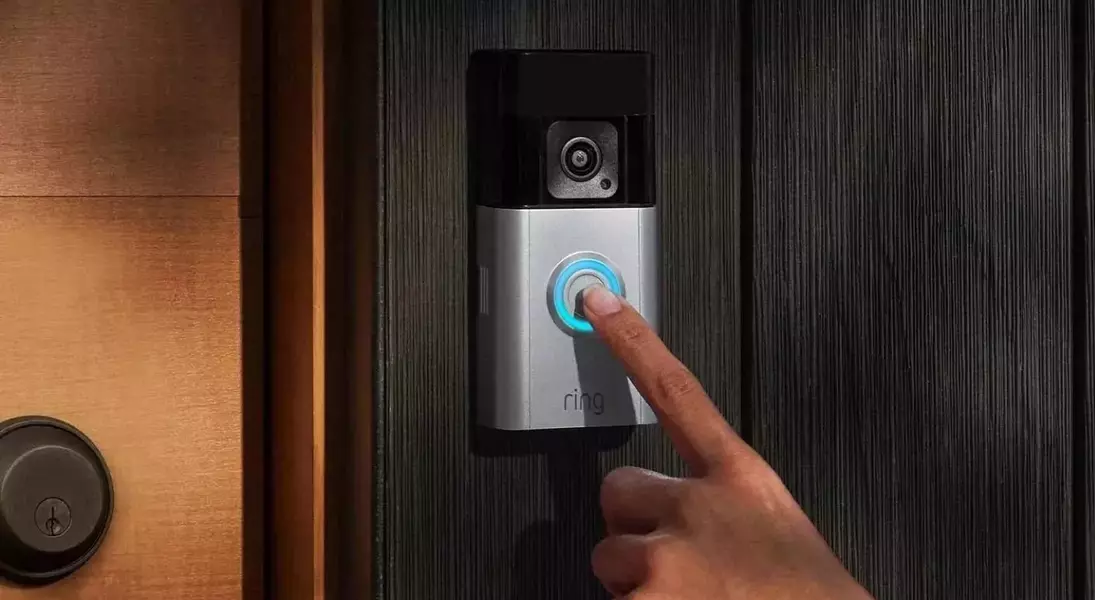
In a significant shift, Ring, the Amazon-owned video doorbell company, has announced the reintroduction of a feature enabling police departments to request video footage from its users. This renewed functionality is facilitated through a partnership with Axon, widely recognized as the manufacturer of Taser and a prominent provider of law enforcement technology. The collaboration signals a change in Ring's previous stance, which had seen the discontinuation of direct police requests for footage through its Neighbors app.
This initiative, unveiled by Axon in April, is designed to enhance public safety efforts by allowing users to share relevant video content with law enforcement, ostensibly to expedite crime resolution and improve neighborhood security. The new system will permit police to solicit footage from Ring device owners via Axon's digital evidence management platform. Users will retain the discretion to approve or deny these requests, and any shared footage will be encrypted and securely integrated into official case files. Axon has also affirmed that no information regarding users who decline to share footage will be disclosed.
The return of this feature comes after Ring faced considerable scrutiny in the past concerning its data sharing practices with law enforcement. Previous iterations of such features, particularly the “Request for Assistance” system, drew criticism for potentially allowing police to obtain footage without a warrant, sparking widespread privacy concerns. The company’s founder, Jamie Siminoff, who recently returned to oversee Ring and related Amazon smart home divisions, has expressed that this integration aligns with Ring’s core mission of fostering safer communities. Despite these assurances, the renewed partnership underscores ongoing debates surrounding surveillance technology, individual privacy rights, and the role of private companies in law enforcement operations.
This evolving landscape highlights the intricate balance between leveraging technological advancements for community safety and upholding individual privacy. As smart home devices become increasingly ubiquitous, transparent policies and robust user controls are crucial to ensuring that such technologies serve the greater good without infringing upon fundamental rights. The continued dialogue and adaptation of these systems will be essential for building trust and maintaining a secure, respectful digital environment for all.
