In the vibrant realm of Japanese mascots, where cuteness reigns supreme, a new contender is emerging to challenge the long-standing dominance of cultural icon Hello Kitty. While Hello Kitty has captivated audiences worldwide with her energetic personality and extensive merchandise empire, a more tranquil, brown bear named Rilakkuma is steadily gaining international recognition. This article delves into Rilakkuma's unique appeal, its journey from a beloved comic character to an animated star, and its potential to carve out a significant space in the competitive global market for adorable Japanese characters.
Rilakkuma: The Embodiment of Relaxation
Rilakkuma, a name derived from the Japanese words for “relax” and “bear,” perfectly encapsulates its laid-back essence. Introduced as a character living with a human woman named Kaoru, Rilakkuma is depicted as a creature in a bear costume, a whimsical detail that adds to its enigmatic charm. Unlike the perpetually busy and social Hello Kitty, Rilakkuma prioritizes comfort and tranquility, often found napping, watching television, or simply enjoying a leisurely meal of dango and pancakes. This serene demeanor resonates deeply with fans seeking an antidote to the stresses of modern life, offering a sense of calm and self-care that has become increasingly appealing.
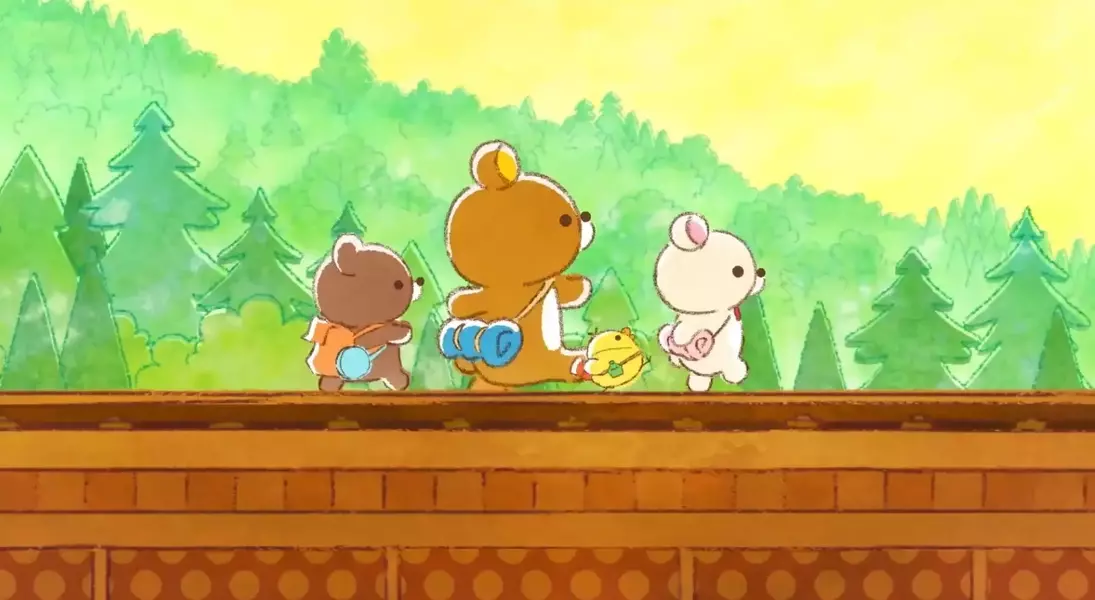
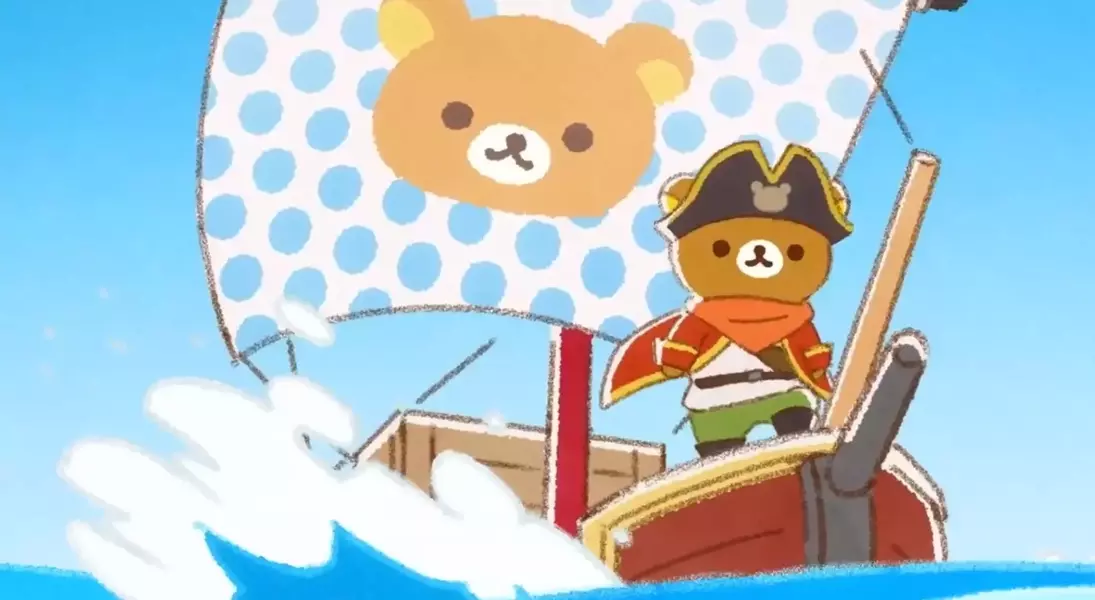
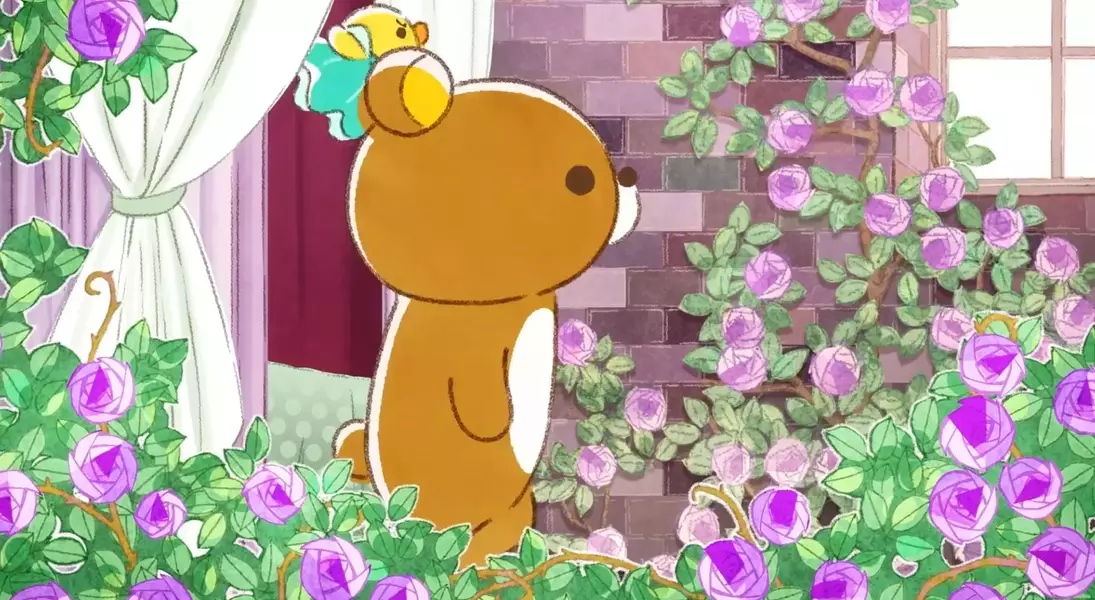
Originating from the creative minds at San-X, a direct competitor to Sanrio (Hello Kitty's parent company), Rilakkuma has quietly built a substantial following since its debut. Despite San-X being a more understated entity compared to the global giant Sanrio, Rilakkuma has generated an impressive revenue of $162 billion by 2016, featured on over 16,000 products. Its popularity surged with the release of Netflix's stop-motion series, Rilakkuma and Kaoru, a heartwarming slice-of-life adventure that beautifully showcased the character's appeal. With an upcoming anime from Production I.G. slated for April, Rilakkuma is set to embark on new adventures alongside companions like the white cub Korilakkuma, the forest-dwelling Chairoikoguma, and the cheerful yellow bird Kiiroitori, further solidifying its place in the hearts of fans worldwide. This new animated series promises to introduce Rilakkuma's unique brand of gentle escapism to a broader audience, potentially propelling it to new heights of global recognition.
Challenging the 'Kawaii' Throne: Rilakkuma's Global Ascent
The "kawaii" (cute) market in Japan is a formidable landscape, where iconic characters like Hello Kitty have commanded immense popularity and generated billions in revenue for decades. Hello Kitty's enduring appeal is often attributed to her simple, "stoic" design, which allows fans to project their own emotions onto her, coupled with a strong sense of childhood nostalgia. However, Rilakkuma presents a compelling alternative, appealing to a different facet of the human experience — the desire for relaxation and a slower pace of life. This inherent relatability, particularly in a fast-paced, capitalistic world, is a significant factor in Rilakkuma's growing international appeal.
While Hello Kitty thrives on an extroverted and energetic persona, engaging in activities like baking and tea parties, Rilakkuma's charm lies in its embrace of quiet solitude and simple pleasures. This contrast offers a fresh perspective in the mascot landscape, where Rilakkuma's lack of complex lore and uncomplicated nature become its greatest strengths. Millions are drawn to its languid, self-paced existence, finding inspiration to slow down and appreciate the moment. The upcoming anime series, with its promise of soothing escapism, is perfectly positioned to capitalize on this sentiment, introducing a broader, global audience to Rilakkuma's unique brand of charm. This strategic expansion into new animated content signifies a concerted effort to elevate Rilakkuma's status and potentially rival Hello Kitty's long-held dominance, offering a refreshing and comforting alternative in the beloved world of Japanese characters.
