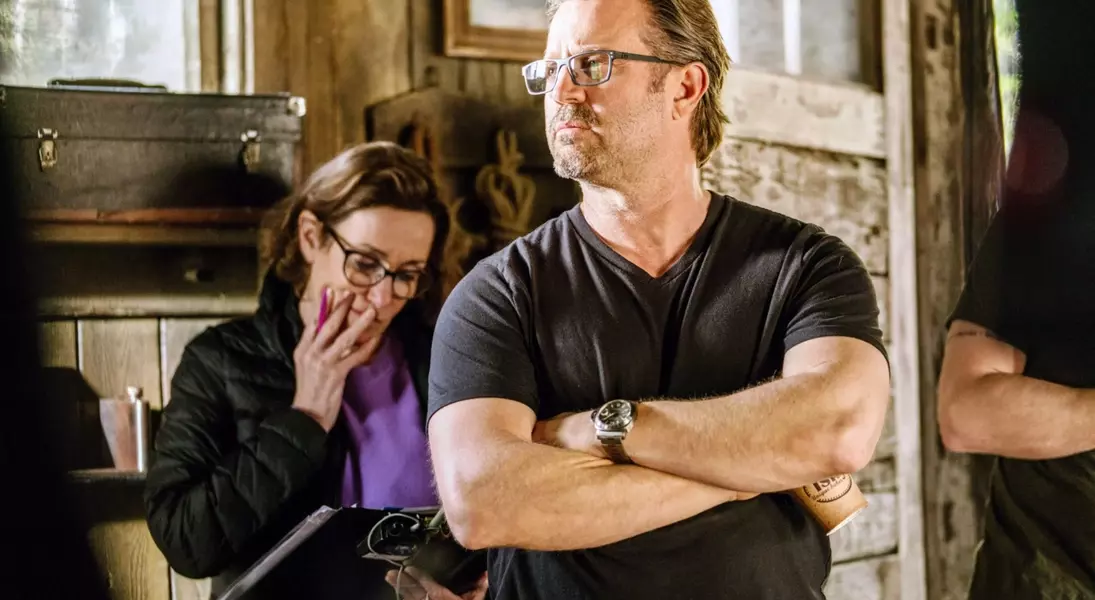
Initially, there were no plans for a follow-up to the 2020 disaster film "Greenland." Director Ric Roman Waugh explicitly stated that a second movie was never intended, especially considering the first film depicted the Earth's destruction. However, the unexpected success of "Greenland" during the COVID-19 pandemic, where it found a large audience on HBO Max after a quiet VOD release, prompted Waugh and screenwriter Chris Sparling to reconsider. They decided to embrace the catastrophic ending of the original, creating a sequel that delves into the aftermath of global annihilation rather than retconning it.
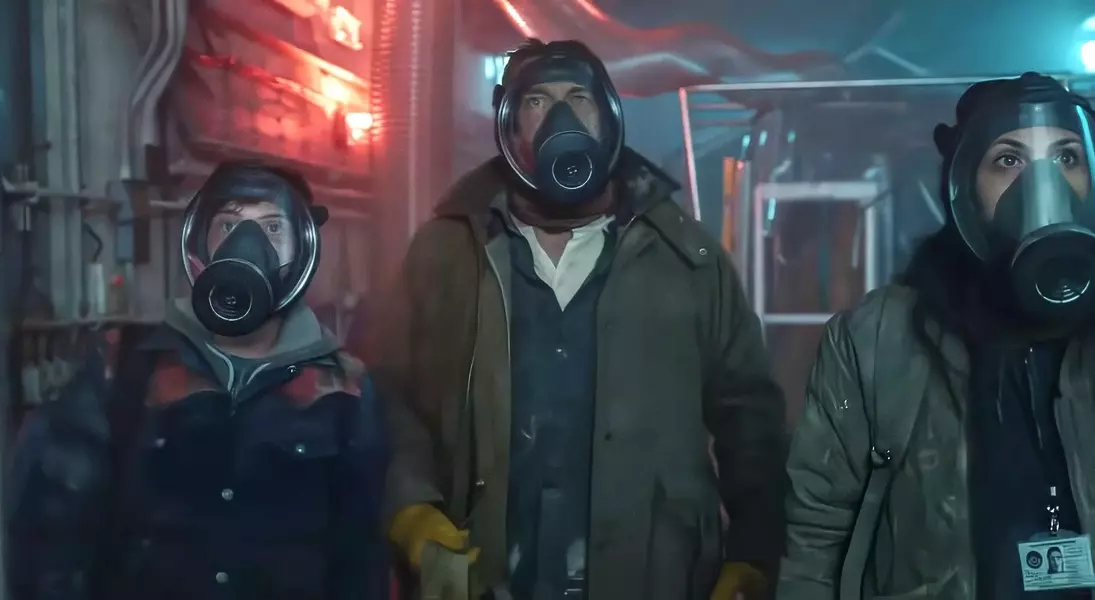
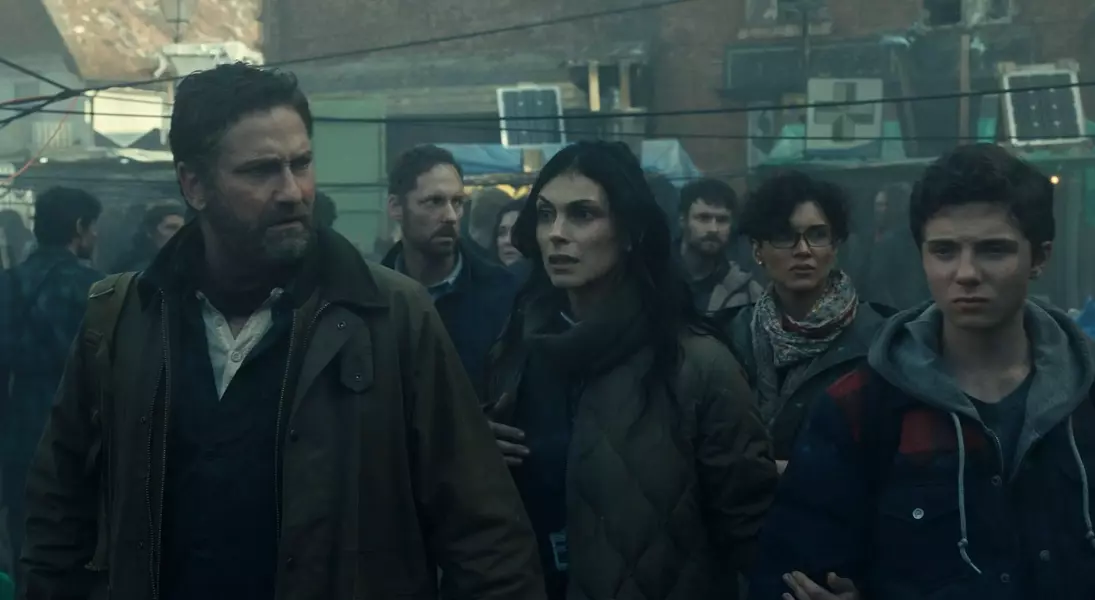
The first "Greenland" movie centered on engineer John Garrity (Gerard Butler) attempting to secure his family's survival in a military bunker in Greenland amidst an impending meteor strike. The sequel, "Greenland 2: Migration," picks up after this cataclysmic event, portraying a devastated world. In this new narrative, Garrity, accompanied by his wife Allison (Morena Baccarin) and son Nathan (now played by Roman Griffin Davis), embarks on another perilous journey. Their bunker has become uninhabitable, forcing them to seek a new sanctuary in a planet transformed by the meteor's impact. The landscape is drastically altered, featuring submerged cities, unpredictable weather patterns, and the complete disintegration of societal structures.
Waugh draws parallels between "Greenland 2: Migration" and post-apocalyptic classics like "Children of Men," emphasizing that the film explores the darker aspects of human nature when faced with extreme adversity. The primary antagonists are often other desperate humans, rather than environmental threats. This focus on interpersonal conflict and moral quandaries is central to the director's vision. Waugh highlights that the film isn't just about a physical disaster but about how individuals react and treat one another when traditional protections vanish. He suggests that the "comet" could metaphorically represent any global crisis, such as a pandemic, stressing that the core message revolves around human interaction under duress.
Despite the grim setting, "Greenland 2: Migration" also incorporates elements of hope. The Garrity family encounters both benevolent strangers willing to assist and dangerous individuals eager to exploit their vulnerability. Waugh's intention is not to pass judgment but to present these complex situations, encouraging viewers to reflect on the moral questions raised. He views his role as a filmmaker as providing a mirror to humanity's challenges, prompting discussions rather than offering definitive answers. The film aims to leave audiences contemplating the inherent good and evil within people, particularly in times of profound crisis.
Ultimately, the sequel to "Greenland" offers a stark, unflinching look at a world irrevocably changed. It challenges the audience to consider the resilience and fragility of human connections when everything familiar has been stripped away. By focusing on the personal struggles and moral choices of its characters, the film transcends the typical disaster genre, evolving into a profound exploration of what it means to be human in the wake of unimaginable destruction.
