

In the world of video games, box art serves as the initial introduction to a title, often reflecting regional tastes and marketing strategies. This feature delves into the varying aesthetic approaches taken for the Wii's popular rhythm game, Rhythm Heaven Fever, as it was released across different global markets. Each rendition offers a distinct visual narrative, inviting players to experience the game's unique musical challenges. From the lively and character-rich North American version to the more subdued European and abstract Japanese designs, these covers provide a fascinating study in cross-cultural game presentation. The analysis aims to appreciate the creative decisions behind each region's packaging and how they contribute to the game's overall appeal.
Following a recent analysis of Diddy Kong Racing's cover art, we now turn our attention to Rhythm Heaven Fever, the acclaimed third installment in the captivating rhythm series. First launched in Japan in 2011, the game quickly found its way to Western audiences in 2012, garnering widespread positive feedback. Its successors, Rhythm Heaven Megamix and Rhythm Heaven Groove, continued to build on its legacy. This exploration will meticulously compare the visual identities crafted for the game's release in North America, Europe, and Japan, offering insights into each region's unique design philosophy and its impact on audience perception.
Regional Artistic Interpretations of Rhythm Heaven Fever
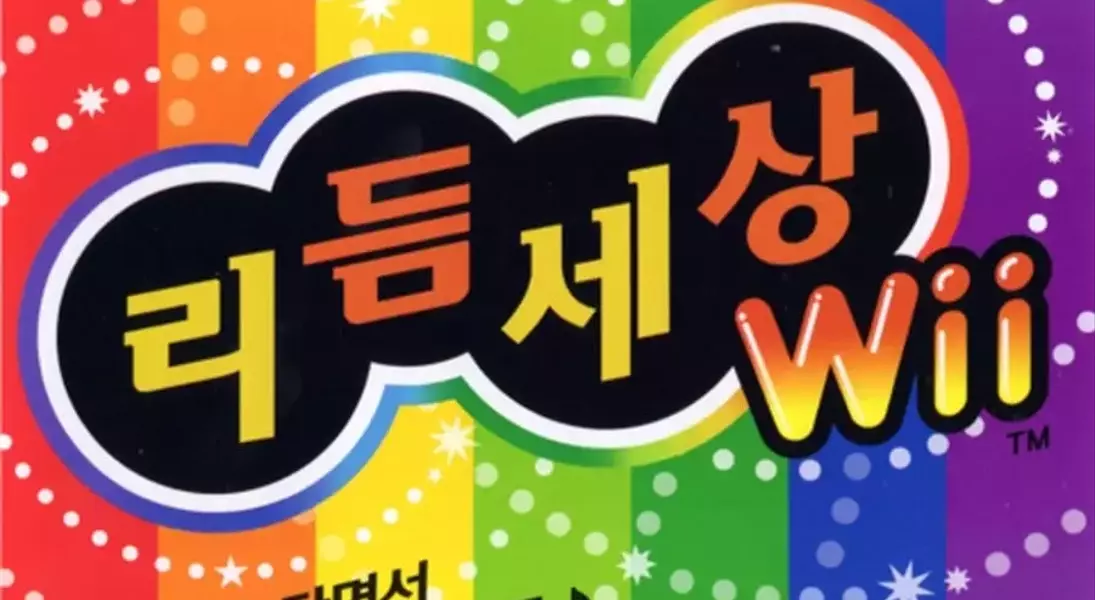
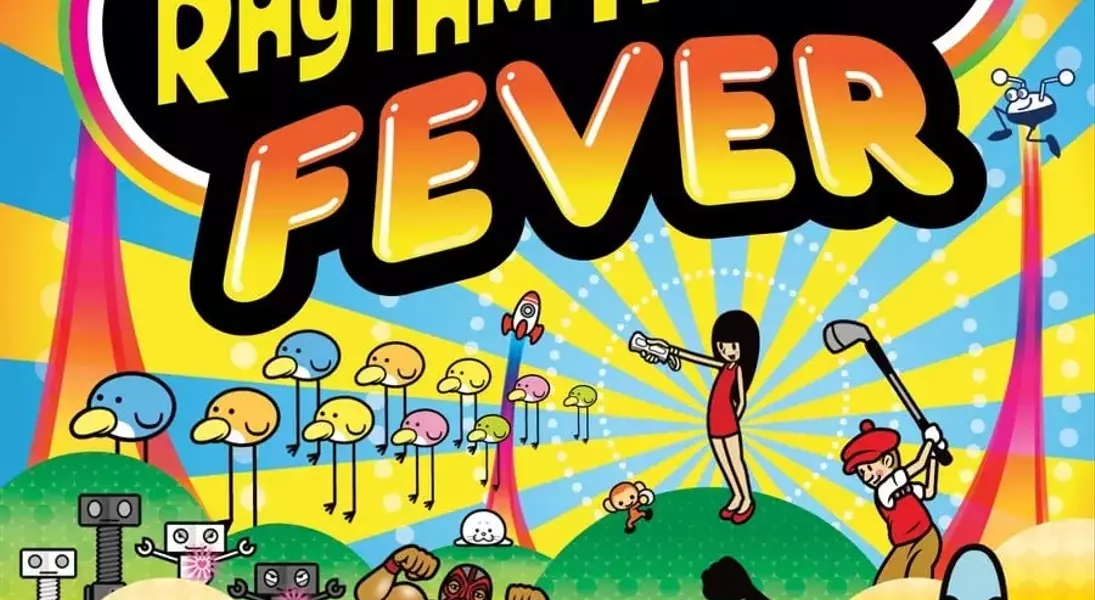
The marketing artwork for Rhythm Heaven Fever showcased significant stylistic differences across North American, European, and Japanese releases, each attempting to encapsulate the game's rhythmic essence in a distinct manner. The North American cover, for instance, is characterized by its dynamic and vibrant composition, featuring an array of characters and vivid colors that convey the energetic and playful nature of the game. This design choice aims to capture immediate attention with its crowded yet harmonious display, suggesting a rich and varied gameplay experience. In contrast, the European version, known as Beat the Beat: Rhythm Paradise, adopts a slightly more restrained color palette while maintaining a similar lively spirit, emphasizing elements like prominent speakers to visually communicate its musical core. The Japanese release, however, presents a strikingly abstract design, utilizing a spectrum of rainbow hues and subtle dotted lines to evoke the game's fundamental concept of rhythm and flow, offering a more artistic and introspective representation.
Comparing the North American, European, and Japanese box art for Rhythm Heaven Fever reveals how cultural preferences influence visual marketing. The North American cover is lauded for its busy yet cohesive arrangement of characters and bright colors, effectively hinting at the game's diverse and engaging mini-games. It successfully creates an eye-catching appeal that reflects the game's exuberant personality. Conversely, the European design, while sharing some thematic elements with its North American counterpart, distinguishes itself by a slightly muted color scheme but retains a strong emphasis on audio elements through its speaker iconography. This choice subtly underscores the game's sound-centric mechanics. The Japanese artwork, in its abstract elegance, employs minimalist yet powerful imagery, using vibrant gradients and rhythmic patterns to symbolize the musicality at the heart of the game. This abstract approach offers a sophisticated interpretation, relying on visual metaphor to convey the game's core principles rather than explicit character representation, appealing to an audience that might appreciate a more conceptual aesthetic.
The Global Appeal of Rhythm-Based Gaming
The global reception of Rhythm Heaven Fever, as reflected through its diverse box art designs, underscores the universal appeal of rhythm-based video games while also highlighting the importance of localized artistic expression. Each regional cover, despite its unique visual language, successfully communicates the game's core identity as an engaging and fun musical experience. The enthusiastic engagement from players across continents, who actively participate in discussions and polls about their preferred box art, demonstrates a shared appreciation for both the game's mechanics and its aesthetic presentation. This cross-cultural dialogue not only enriches the game's community but also provides valuable insights into how different audiences perceive and connect with digital entertainment, bridging geographical and cultural divides through a common love for gaming.
The varying artistic interpretations of Rhythm Heaven Fever's box art across different regions serve as a testament to the game's widespread popularity and its capacity to resonate with diverse global audiences. The lively discussions and active participation in polls regarding the best cover art exemplify how players worldwide appreciate the game's core offering, regardless of the visual wrapper. This global engagement signifies more than just a preference for aesthetics; it reflects a deeper connection to the game's rhythmic gameplay and its ability to transcend cultural boundaries. The collective enthusiasm from players for the different box art designs showcases a universal appreciation for creative presentation and the shared joy derived from interacting with a compelling gaming experience, fostering a vibrant international community united by their passion for rhythm games.
