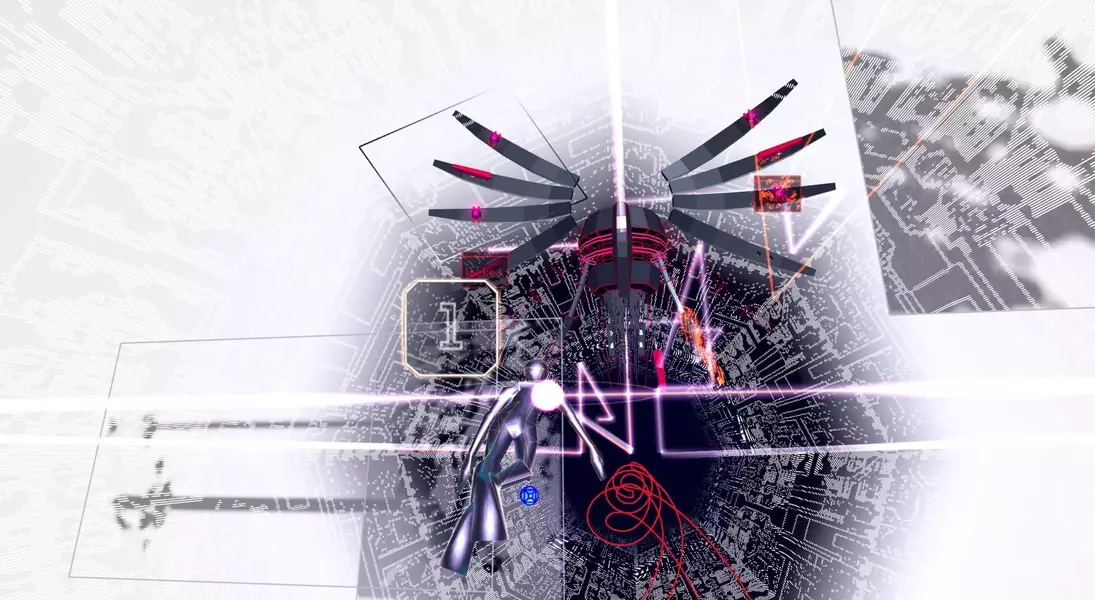
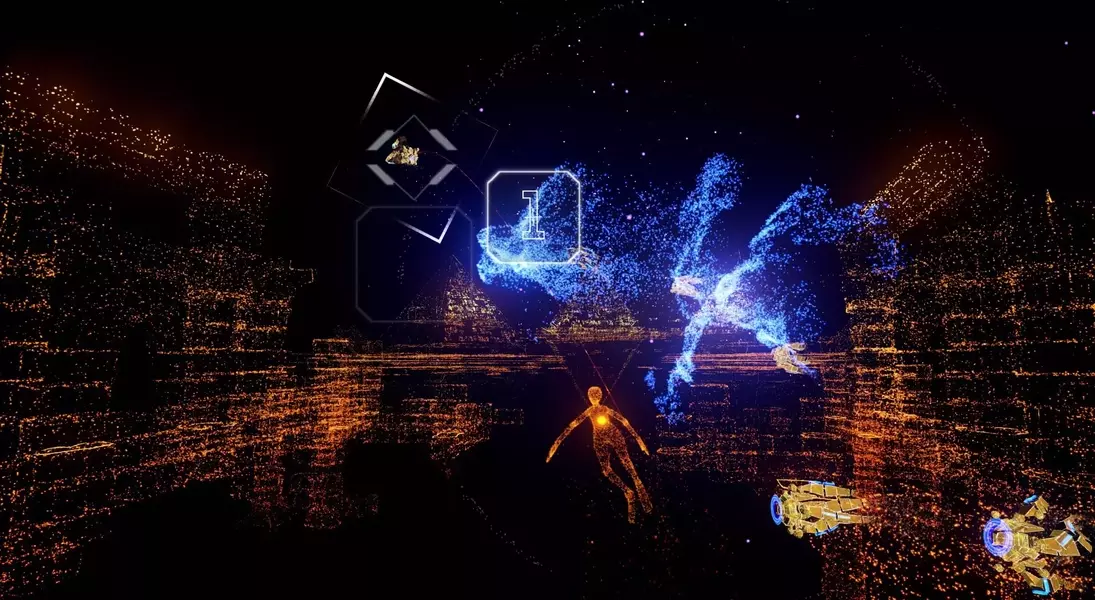
The rail shooter genre, often considered a relic of the past, is undergoing a quiet resurgence, prompting reflection on its foundational elements and its most exemplary titles. While games like Nintendo's revitalized "Star Fox" offer a nostalgic return to form, the true pinnacle of this immersive gaming style is arguably Tetsuya Mizuguchi's "Rez." This article delves into how "Rez," initially released for Dreamcast and PlayStation 2, elevates the traditional rail shooter into a profound, almost spiritual, artistic experience, setting it apart from its contemporaries and influencing subsequent music-driven games.
Historically, rail shooters were defined by their linear progression and emphasis on target acquisition, often serving as showcases for technological advancements. Nintendo's decision to revisit "Star Fox 64" on the Switch speaks to the enduring charm of these titles, which combine fast-paced action with engaging narratives. Yet, even celebrated entries like "Space Harrier" and "Sin and Punishment" do not quite capture the transformative essence that "Rez" achieves. Mizuguchi's vision pushes beyond simple gameplay mechanics, blending visual splendor with auditory harmony to create a synesthetic journey.
"Rez" is deeply rooted in diverse artistic and cultural influences, from the vibrant energy of club culture and the futuristic aesthetics of Tron to the abstract compositions of Wassily Kandinsky. The game's narrative follows a hacker's quest to navigate and purify a corrupted cyberspace network, aiming to reawaken a dormant AI. This journey is not merely about destroying enemies; it's a metaphorical ascent towards higher consciousness. As players dismantle digital threats, their avatar evolves from a fragmented collection of polygons into a fully realized, humanoid form, symbolizing a quest for self-actualization and spiritual transcendence. This unique approach transforms combat from aggressive engagement into a meditative act of disassembly.
A core tenet of Mizuguchi's design philosophy, evident in "Rez" and later works like "Lumines" and "Tetris Effect," is the symbiotic relationship between music and gameplay. By integrating shooting and progress with an insistent techno beat, players become part of a larger symphony. The act of firing projectiles in "Rez" is reimagined as a rhythmic call-and-response, where actions generate musical elements—melodies and percussion—that dynamically build the game's soundtrack. This seamless fusion of action, visuals, and sound cultivates a euphoric state that transcends mere entertainment, fostering a deep connection between the player and the digital world.
Though a product of the turn-of-the-millennium club scene, "Rez" possesses a timeless quality, offering a thoughtful and introspective experience within the typically action-oriented rail shooter genre. It defies conventions by infusing mindfulness, philosophical depth, and even pacifist undertones into its core mechanics. There is truly nothing else quite like it, making "Rez" a singular achievement in video game artistry that continues to resonate with players through its modernized versions available on various platforms, including VR headsets.
