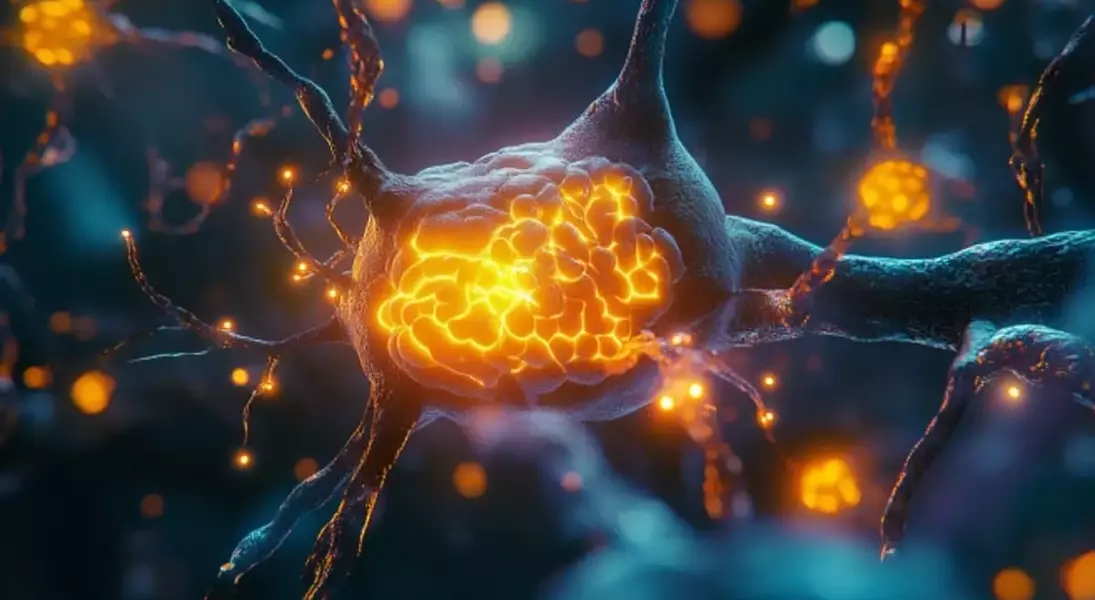
A groundbreaking advancement in neuroscience has emerged from the University of California, Irvine, where researchers have developed a novel method to combat neurodegenerative diseases like Alzheimer's. By genetically modifying human immune cells known as microglia, scientists have created a sophisticated system capable of detecting and responding to specific brain abnormalities while delivering targeted therapeutic agents directly to affected areas. This innovative approach could redefine how we treat not only Alzheimer's but also other devastating neurological conditions.
Unleashing the Power of Engineered Microglia for Neurological Breakthroughs
The potential of this new therapy lies in its ability to bypass traditional barriers such as the blood-brain barrier, offering precise intervention at the site of disease manifestation. Imagine a world where microglial cells act as intelligent couriers within the brain, identifying toxic protein clusters and secreting enzymes designed to dismantle them. This is no longer science fiction; it’s an emerging reality that promises hope for millions suffering from neurodegenerative disorders.
Designing Cellular Precision Through CRISPR Technology
Central to this breakthrough is the application of CRISPR gene-editing technology. Researchers utilized CRISPR to modify microglial cells derived from induced pluripotent stem cells (iPSCs). These modified cells were programmed to secrete neprilysin, an enzyme effective in breaking down beta-amyloid proteins, under specific conditions dictated by plaque-responsive promoters. Such precision ensures that therapeutic activity occurs exclusively in diseased regions, minimizing collateral damage to healthy tissue.
This targeted mechanism represents a significant leap forward in personalized medicine, allowing treatments to adapt dynamically based on the presence of pathological markers. The implications extend beyond Alzheimer's, suggesting applications in diverse neurological ailments including brain cancer and multiple sclerosis.
Evaluating Efficacy in Preclinical Models
In preclinical trials conducted on mouse models of Alzheimer's, the engineered microglia demonstrated remarkable efficacy. Not only did they reduce the accumulation of beta-amyloid plaques, but they also mitigated inflammation and preserved vital neuronal structures. Furthermore, these interventions led to a noticeable decrease in biomarkers associated with neural injury, providing tangible evidence of their restorative capabilities.
Interestingly, when deployed strategically in particular brain regions, the microglia achieved comprehensive reductions in neuropathological indicators across the entire brain. This underscores the versatility of the approach, highlighting its capacity to address widespread degenerative processes through localized actions.
Tailoring Therapies Across Multiple Pathologies
Beyond Alzheimer's, the research delved into the behavior of these engineered cells in models simulating brain cancer and demyelination characteristic of multiple sclerosis. In each scenario, the microglia exhibited distinct transcriptional responses tailored to the unique challenges posed by different pathologies. This adaptability signifies immense promise for developing customized therapies targeting various central nervous system disorders.
For instance, in cases of brain cancer metastasis, the microglia responded appropriately to tumor-associated cues, while in demyelination scenarios, they adjusted their activities to support remyelination efforts. Such nuanced responsiveness enhances the therapeutic utility of these cells, making them invaluable tools in combating complex neurological issues.
Addressing Challenges and Future Prospects
Despite the encouraging results, several hurdles must be overcome before transitioning this platform into clinical practice. Ensuring long-term safety and devising scalable manufacturing techniques remain critical priorities. However, the prospect of deriving microglia from a patient's own iPSCs offers a compelling solution, potentially eliminating risks related to immune rejection.
This collaborative endeavor involving experts from UC Irvine’s Department of Neurobiology & Behavior, Institute for Memory Impairments and Neurological Disorders, and Sue & Bill Gross Stem Cell Research Center exemplifies the power of interdisciplinary research. With continued support from funding bodies such as the National Institute on Aging and Cure Alzheimer’s Fund, the future holds immense possibilities for refining and implementing this transformative technology.
