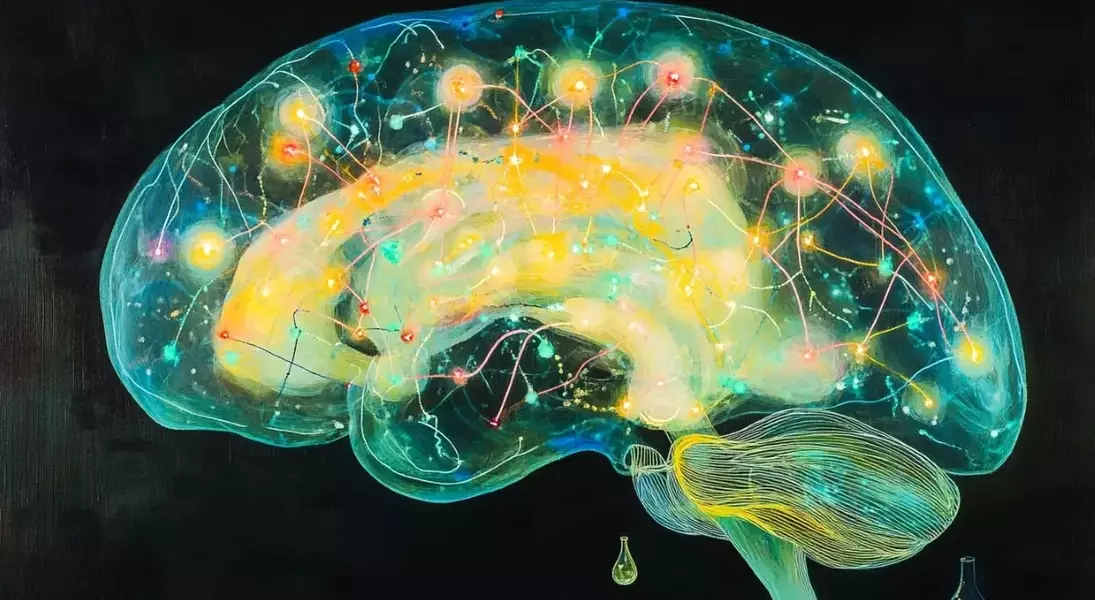
A groundbreaking imaging technique, DELTA, has been developed to map synaptic changes across the entire brain during learning. By tracking synaptic protein turnover, researchers can now identify where and how neural connections evolve over time. This method highlights shifts in the GluA2 protein in specific brain regions linked to new tasks and reveals widespread changes in enriched environments. DELTA bridges the gap between behavior and cellular changes, paving the way for uncovering the molecular mechanisms underlying learning and memory.
This innovative approach labels synaptic proteins before and after behavioral training, enabling scientists to visualize synaptic plasticity in action. The findings indicate that learning modifies synaptic connections in specific areas such as the hippocampal CA1 region. Moreover, environmental enrichment induces broader synaptic changes across the brain. By pinpointing these changes, DELTA provides a foundation for further studies into the cellular and molecular underpinnings of learning and memory processes.
Mapping Synaptic Plasticity Across the Brain
DELTA offers an unprecedented view of synaptic plasticity by mapping protein turnover throughout the brain. Researchers use this method to label synaptic proteins with fluorescent dyes at different stages of learning. Comparing these labels reveals where synaptic changes occur, focusing on critical regions like the hippocampus. This capability allows scientists to investigate how experiences alter neural connections, providing insights into localized plasticity during learning.
The process involves labeling a synaptic protein of interest in mice using Janelia Fluor dyes. After initial labeling, mice undergo behavioral training or live in enriched environments. Subsequent labeling with a different dye enables researchers to track changes in synaptic proteins over days. For instance, learning a modified task causes significant changes in GluA2 within specific brain regions. Similarly, living in an enriched environment triggers extensive GluA2 alterations across the brain. These observations highlight the versatility of DELTA in revealing both localized and distributed synaptic plasticity.
Uncovering Molecular Mechanisms of Learning
By identifying regions of synaptic change, DELTA facilitates deeper exploration into the molecular basis of learning and memory. Researchers can now focus their attention on areas most relevant to these processes, streamlining investigations into cellular and molecular mechanisms. This method not only pinpoints where changes occur but also provides clues about when they happen, enhancing our understanding of synaptic dynamics.
The development of DELTA exemplifies collaborative scientific efforts, integrating expertise from various fields such as chemistry, imaging, behavior, and genetics. Scientists at Janelia Research Campus worked alongside external collaborators to refine and validate the method. Future advancements aim to enhance temporal resolution, allowing researchers to pinpoint exact moments when proteins change during learning tasks. Additionally, global collaborations through Janelia’s Visiting Scientist Program enable widespread adoption of DELTA, fostering further discoveries in neuroscience. As research progresses, DELTA promises to revolutionize our comprehension of how experiences shape neural circuits and influence cognitive functions.
