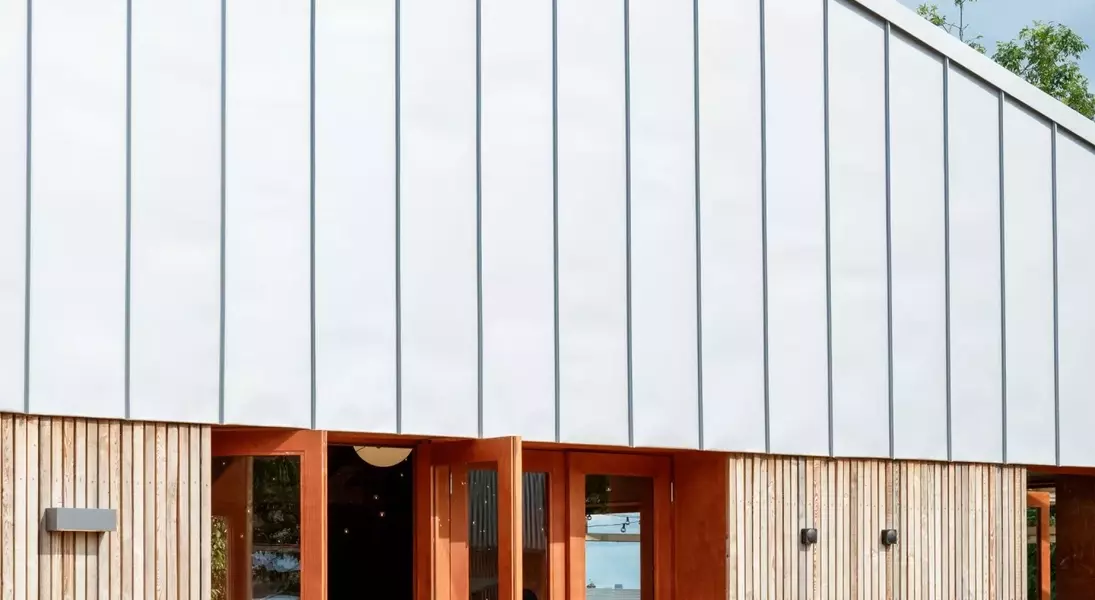
In a world grappling with climate change, where the built environment contributes significantly to global emissions, a pioneering force is emerging from London. Material Cultures, a design and research non-profit, is at the forefront of a movement to redefine architecture, not through high-tech wizardry, but by rekindling a profound connection with nature's own building blocks. They advocate for a radical shift back to time-honored, vernacular techniques and locally sourced, natural materials, challenging the prevailing reliance on carbon-intensive, fossil-fuel-derived commodities. This innovative approach aims to heal what they term the "oil vernacular," forging a path toward a more thoughtful, ecological, and resilient future for our structures and communities.
Material Cultures: Forging a Sustainable Future Through Traditional Craft and Local Resources
At the heart of this transformative endeavor is Paloma Gormley, a director at Material Cultures. Growing up immersed in art and design, Gormley’s early architectural explorations were rooted in London's dynamic DIY subcultures. Her initial ventures, like the resourceful Frank's Café in 2009—a vibrant pop-up atop a Peckham car park, ingeniously crafted from reclaimed materials—showcased her knack for creative, low-budget, and community-focused construction. This spirit of improvisation and local engagement laid the groundwork for Material Cultures.
In 2019, while teaching at London Metropolitan University, Gormley collaborated with architects Summer Islam and George Massoud. Sharing a mutual frustration with the architectural establishment’s high-tech, carbon-heavy sustainability efforts, the trio united under a shared vision: to rediscover and reapply the wisdom embedded in historical building practices and natural materials. Their collective endeavor, Material Cultures, emphasizes that true sustainability lies not in futuristic designs but in returning to fundamental principles. This involves working with traditional craft experts to explore the immense potential of materials like reeds and clay, and mastering techniques such as thatching and weaving, harnessing millennia of accumulated technological knowledge.
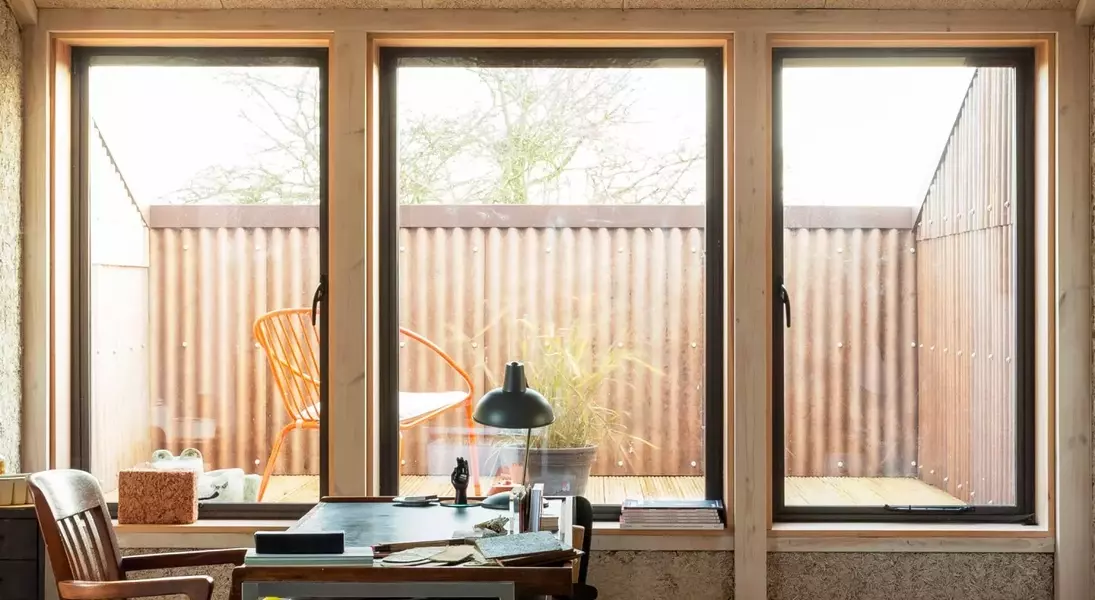
Among Material Cultures' notable achievements is the Flat House, completed in 2019 in the picturesque Cambridgeshire, England. This remarkable dwelling stands as a testament to the firm's vision, constructed from pressed hemp panels harvested directly from the surrounding fields. Gormley herself was deeply involved, from the planting of the seeds to the final construction, emphasizing the profound connection between architecture and natural cycles.
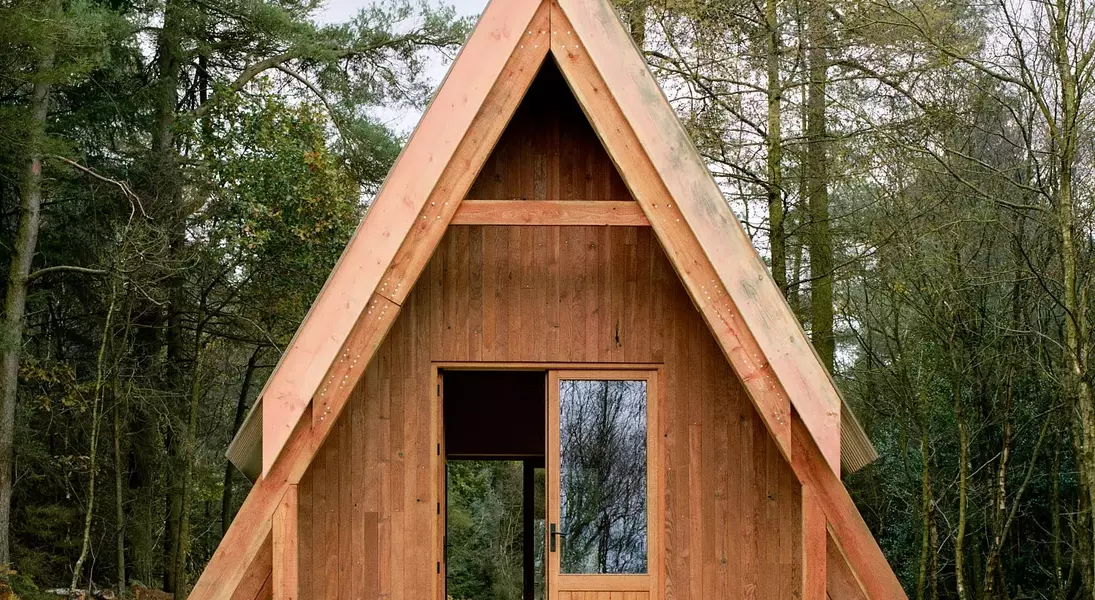
Another striking example is Clearfell House, an A-frame timber cabin nestled within a tranquil clearing in North Yorkshire's Dalby Forest, finished in late 2024. This project, conceived as part of a construction class taught by Material Cultures at London's Central Saint Martins design school, embodies their dedication to elevating humble materials. The house’s frame, meticulously crafted from local ash and larch – wood species particularly vulnerable to climate change – deliberately shunned factory-farmed lumber. This intentional choice underscored the profound link between responsible forestry and resilient building. Andreas Lang, head of the Saint Martins architecture program, eloquently stated, "For [Material Cultures], the client is maybe the planet."
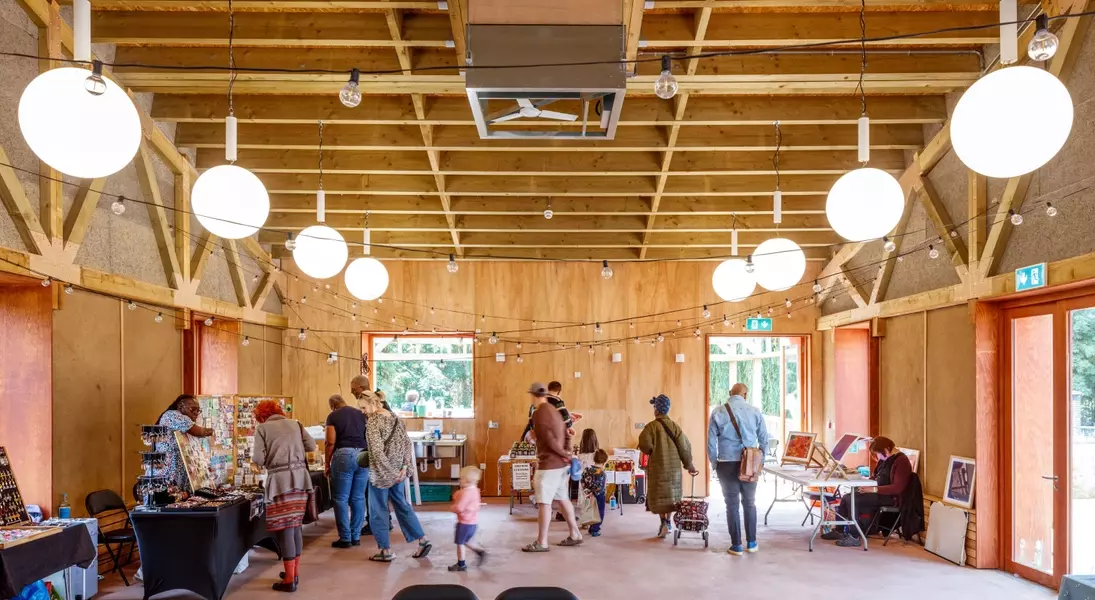
Material Cultures' influence is expanding. The Wolves Lane Centre, a recently completed $2.4 million community facility in North London, exemplifies their commitment to social impact. This center, serving groups dedicated to food and racial justice, not only utilized bio-based materials like local straw, lime, and timber but also served as a learning hub. Expert plasterers and straw-bale construction specialists shared their invaluable knowledge, empowering future custodians of the building with the skills for maintenance and adaptation. Although time-consuming and comparable in cost to conventional methods, Gormley believes the added value of knowledge transfer made it an invaluable investment.
Looking ahead, Material Cultures is setting its sights on larger-scale initiatives. The Phoenix, a forthcoming low-carbon development in Lewes, southern England, will incorporate their designs for 70 of its planned 700 homes. Perhaps the most ambitious project on their horizon is Land Lab, an interdisciplinary school located on a sprawling 500-acre former farm in Essex, north of London. This living laboratory will seamlessly integrate the firm’s expertise in supply chains, materials science, and construction, serving as a dynamic platform for research and innovation in sustainable building.
The work of Material Cultures resonates with a growing global trend towards sustainable materials and waste-minimizing construction. Michael Burchert, a German expert in decarbonized buildings, notes the rising popularity of panelized building systems using materials like straw and hemp. Regulatory frameworks are beginning to align with this shift, as evidenced by France's mandate for new public buildings to incorporate 50% timber or other biological materials, and Denmark's "Pathways to Biobased Construction" initiative. As Burchert aptly puts it, while science fiction often envisions a future of concrete and steel, Material Cultures offers a refreshingly natural, communal, and innovative alternative – a much-needed paradigm shift.
Material Cultures offers a compelling vision for the future of building, demonstrating that innovation doesn't always lie in the new, but often in the rediscovery and reimagining of the old. Their commitment to integrating traditional knowledge with contemporary challenges is not just about erecting buildings; it's about cultivating resilient communities and fostering a deeper connection with our planet. This approach reminds us that true progress is achieved when we work in harmony with nature, embracing its bounty and wisdom to create a world that is both built and beautiful.
