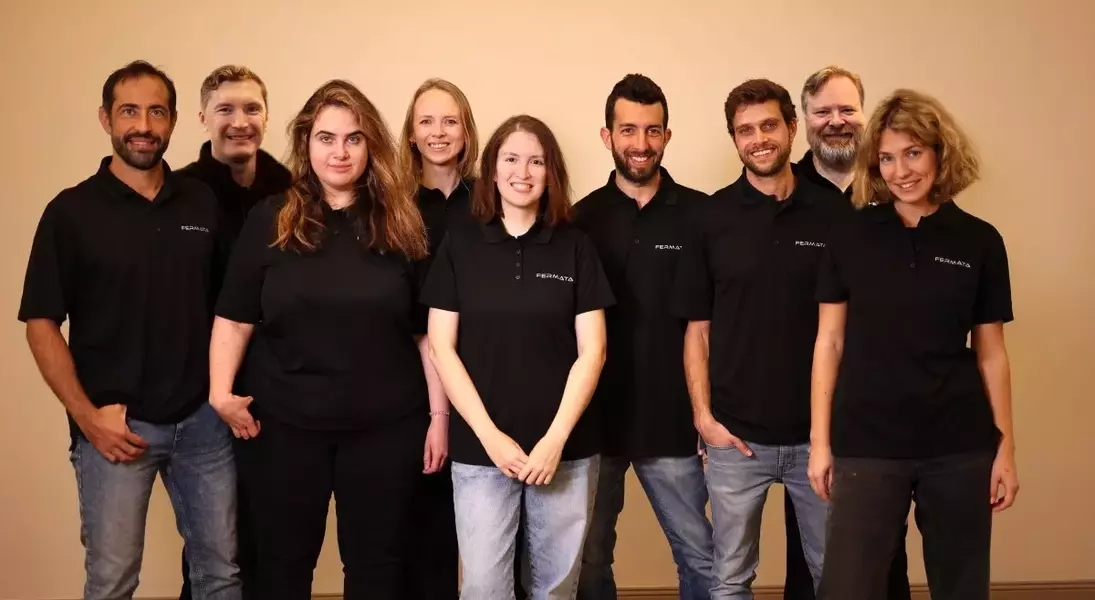
The journey of Valeria Kogan, a bioinformatics expert, took an unexpected turn into the agricultural sector. Initially focused on mathematics and biology, Kogan found herself intrigued by the potential of artificial intelligence (AI) in farming. Her startup, Fermata, has pioneered the use of computer vision and AI to monitor plant health in greenhouses. This innovative approach not only addresses critical challenges in agriculture but also showcases the versatility of AI technology across industries.
From Bioinformatics to Agricultural Innovation
Kogan's transition from academia to agriculture was sparked by a serendipitous encounter with a tomato grower seeking AI expertise. Recognizing the parallels between bioinformatics and crop monitoring, she saw an opportunity to apply her skills in a new context. The core challenge—rapidly diagnosing plant health issues—mirrored problems she had tackled in bioinformatics. This realization led her to establish Fermata in 2020, aiming to revolutionize greenhouse farming through cutting-edge technology.
In the early stages, Kogan's team experimented with various approaches, including developing robotic systems for greenhouse navigation. However, they quickly learned that understanding the farmers' needs was crucial. By focusing on genuine engagement and adapting their solutions accordingly, Fermata shifted its strategy. They abandoned the initial robot concept and instead developed software that leverages off-the-shelf cameras to capture daily images of crops. The in-house AI model analyzes these images, identifying signs of disease or pests, and alerts farmers via an app. This approach has proven more effective and practical for the agricultural community.
Building Momentum in the AI Agriculture Space
Fermata's success can be attributed to its unique approach to data management and market entry. Unlike many AI companies that struggled to gain traction in agriculture, Fermata thrived by prioritizing customer collaboration over preconceived solutions. By keeping data labeling in-house, the company ensured high accuracy in its models. Initially relying on public datasets, Fermata now uses customer-specific data to refine its algorithms. They even conduct research by deliberately infecting plants with diseases to gather valuable training data.
Initially, Fermata sought partnerships with established agricultural suppliers but faced limited interest. However, as AI gained prominence in 2022, the company's efforts began to pay off. Today, Fermata collaborates directly with farms and major agribusinesses like Bayer and Syngenta. With over 100 cameras deployed, Fermata recently secured a $10 million Series A investment from Raw Ventures. This funding will support scaling operations and achieving profitability by 2026. Currently focusing on tomatoes, Fermata plans to expand its offerings to other crops and strengthen its partnerships, driven by growing inbound interest and a soon-to-be-expanded sales team.
