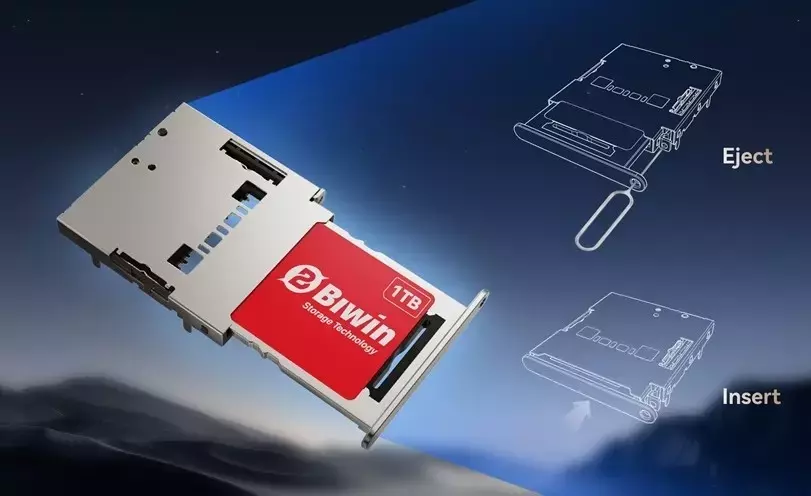
A new era in portable data storage is dawning with the introduction of China's revolutionary Mini SSDs. These diminutive yet powerful solid-state drives promise to bridge the gap between the compact size of microSD cards and the high performance of M.2 SSDs. Engineered for versatility, the Mini SSDs boast impressive speeds and robust durability, making them ideal for a wide array of electronic devices. Their design, which allows for insertion similar to a SIM card, signals a significant leap forward in integrated storage solutions, particularly for high-demand applications like portable gaming.
This innovative technology offers a compelling solution for the ever-growing need for both compact form factors and high-speed data access in modern electronics. By providing substantial storage capacity within an incredibly small footprint, the Mini SSD is poised to transform how manufacturers design future devices. The initial adoption in next-generation gaming handhelds underscores its potential to enhance user experience by delivering rapid loading times and seamless performance in power-packed, portable machines.
The Dawn of Ultra-Compact, High-Speed Storage
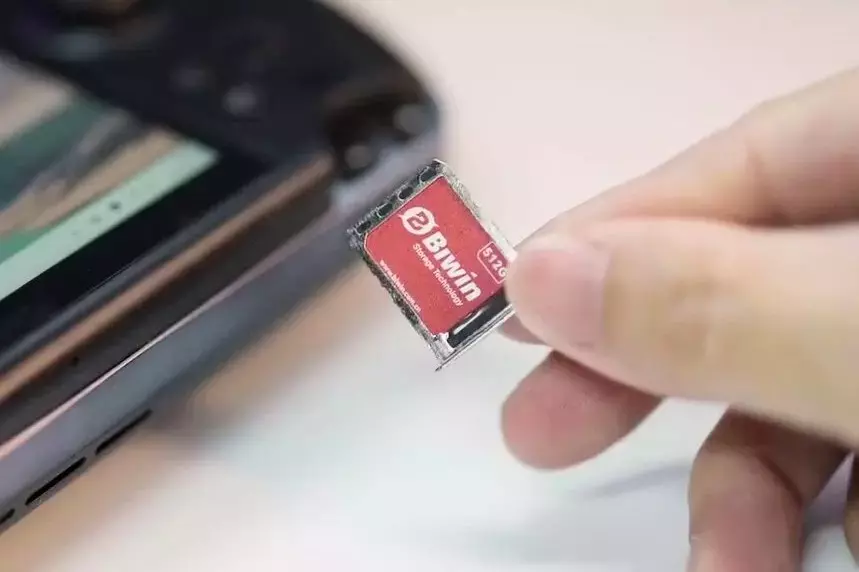
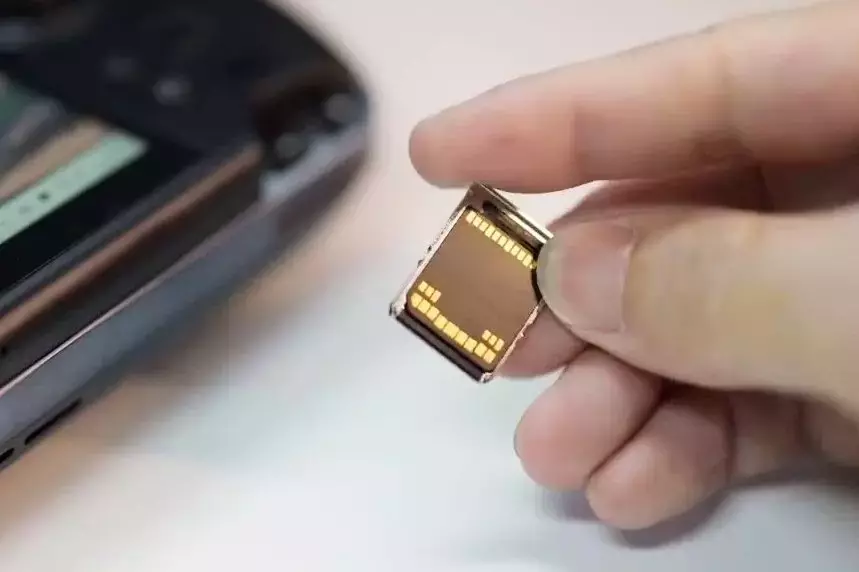
The landscape of data storage is undergoing a significant transformation with the emergence of ultra-compact, high-speed solid-state drives from China. These innovative devices, dubbed 'Mini SSDs,' are poised to redefine the capabilities of portable electronics by offering an unprecedented combination of size and performance. Measuring a mere 15mm by 17mm with a thickness of just 1.4mm, these drives are impressively smaller than a US penny, yet they are engineered to deliver robust sequential read speeds of up to 3,700 megabytes per second via a PCIe 4x2 connection. Such speeds dwarf those of conventional microSD cards, which typically max out at around 985MB/s, and even rival larger, full-size SD Express cards. Available in capacities ranging from 512GB to a spacious 2TB, these Mini SSDs are set to meet the escalating demands for high-capacity, high-speed storage in an increasingly miniaturized world.
The advent of these Mini SSDs marks a pivotal moment in the evolution of storage technology, addressing the long-standing trade-off between physical size and data transfer speed. Unlike traditional M.2 drives, which, while fast, are considerably larger and fully enclosed, the Mini SSD's design allows for user-friendly installation reminiscent of a smartphone SIM card, featuring a tray mechanism. This user-centric design, coupled with impressive technical specifications, positions the Mini SSD as a game-changer for devices where space is at a premium but performance cannot be compromised. Its capabilities extend beyond mere speed; it also boasts IP68 water and dust resistance, along with three-meter drop resistance, ensuring durability in various environments. This level of ruggedness makes it particularly appealing for portable and handheld devices that are often exposed to challenging conditions. While pricing and broader product listings are yet to be revealed, the technology's initial integration into two high-end Chinese gaming handhelds, the GPD Win 5 and OneXPlayer Super X, highlights its immediate impact on the portable gaming sector, promising enhanced performance and a more streamlined user experience for the next generation of portable computing.
Transforming Portable Devices with Advanced Integration
The introduction of China's Mini SSD technology signals a major advancement in how portable devices integrate and utilize storage. The compact dimensions and high-speed capabilities of these new drives are set to usher in a wave of innovation across various electronic categories, from cutting-edge gaming handhelds to future laptops, tablets, and even cameras. The design's similarity to a smartphone SIM card slot, which involves a simple pin-eject tray mechanism, simplifies the process of upgrading or replacing storage, offering a level of modularity and user convenience previously unseen in high-performance SSDs of this size. This ease of use, combined with the substantial performance boost, promises to unlock new possibilities for device manufacturers looking to pack more power and storage into smaller, sleeker form factors without sacrificing user experience.
The strategic adoption of Mini SSDs in the latest Strix Halo handheld devices, such as the GPD Win 5 and OneNetbook’s OneXPlayer Super X, demonstrates the technology's immediate practical applications and its potential to revolutionize the portable gaming and computing industries. These devices, known for their demanding performance requirements, will greatly benefit from the Mini SSD's rapid data access, leading to faster game loading times, smoother multitasking, and an overall more responsive computing experience. Moreover, the enhanced durability, including water, dust, and drop resistance, is a critical advantage for portable electronics that are frequently used on the go. While the full market availability and pricing details are still anticipated, the emergence of this technology suggests a shift towards more integrated and user-friendly storage solutions. This innovation is not merely about increasing speed or shrinking size; it represents a comprehensive approach to portable storage that addresses both performance and practical considerations, making high-speed, high-capacity data accessible in an ever-broader range of compact electronic devices.
