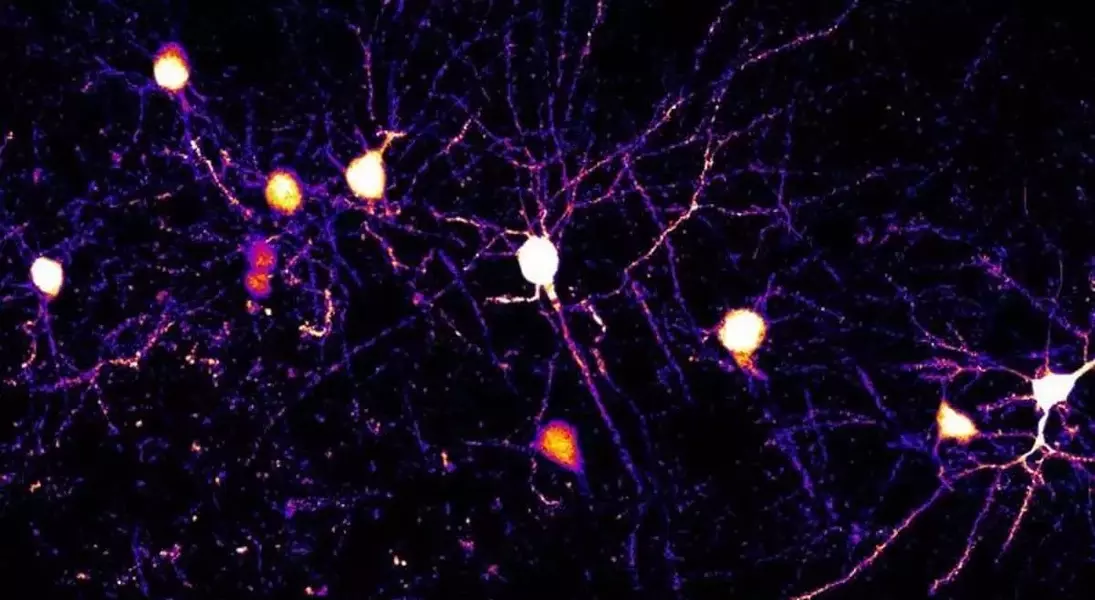
Recent scientific breakthroughs have reshaped our understanding of how neurons adapt during the learning process. Cutting-edge imaging techniques, such as two-photon visualization, have enabled researchers to delve deeper into the complexities of synaptic plasticity. Scientists at UC San Diego have discovered that individual neurons can employ multiple learning rules simultaneously, depending on their specific regions. This revelation challenges previous assumptions that synaptic plasticity operates uniformly across the brain.
Neurons are now understood to exhibit distinct adaptive mechanisms in different areas within a single cell. For instance, certain parts of a neuron may strengthen synapses based on localized coactivity, while others rely on activity coinciding with postsynaptic action potentials. By utilizing advanced imaging technologies, researchers were able to observe these processes in real-time within living organisms. These findings not only enhance our comprehension of neural circuitry but also provide valuable insights into potential treatments for neurological disorders.
This research has far-reaching implications beyond neuroscience. The discovery could significantly impact the development of artificial intelligence systems by inspiring more sophisticated models capable of mimicking the brain's complex learning processes. Furthermore, it opens new avenues for addressing conditions like PTSD, Alzheimer’s disease, and autism spectrum disorders. Understanding how neurons utilize diverse learning strategies offers hope for advancements in both medical science and technology, promoting healthier brains and smarter machines.
The human brain continues to astonish us with its intricate methods of processing information. As scientists uncover more about how neurons adapt using various mechanisms, they pave the way for innovations that benefit society at large. By deciphering the brain's ability to solve problems through parallel computations, we gain tools to create better therapies and intelligent systems. Such discoveries underscore the importance of continued research in unraveling the mysteries of cognition and behavior.
