Preparing latkes traditionally demands significant effort, particularly in extracting moisture from grated potatoes and onions, a step often associated with discomfort and tedious squeezing. This conventional wisdom dictates thorough drying to prevent soggy, unappetizing results. Cooks often find themselves grappling with the challenge of removing every last drop of liquid, leading to sore hands or complex setups to achieve the desired dryness.
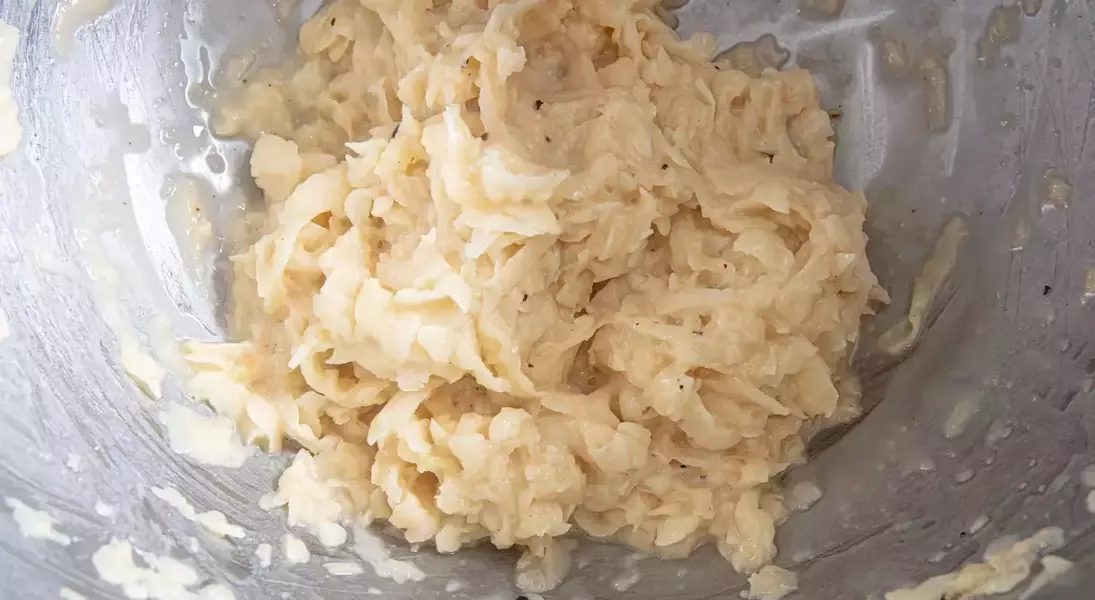
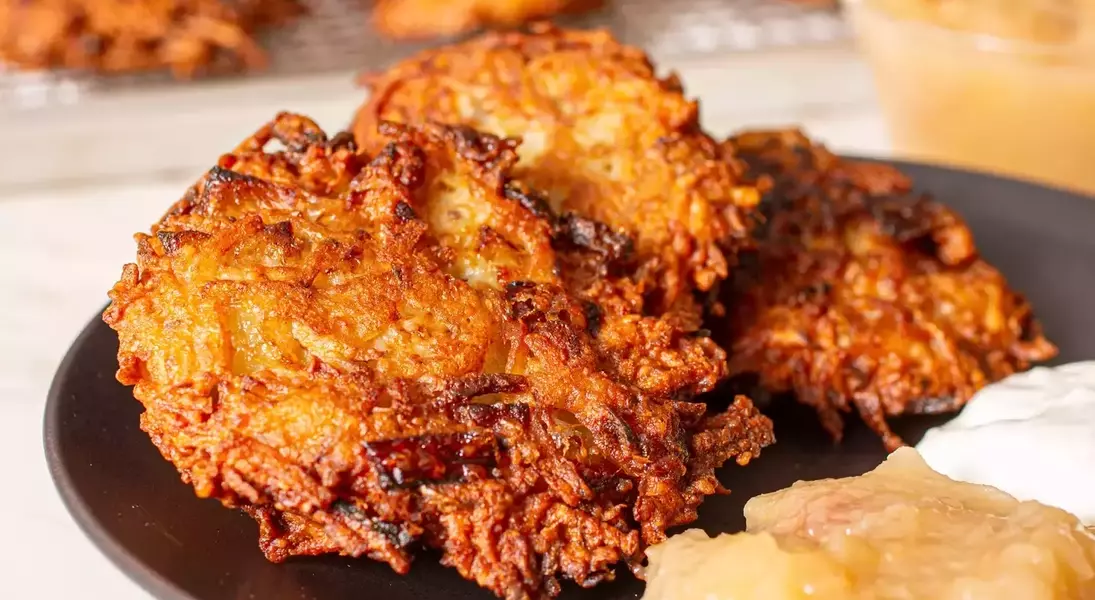
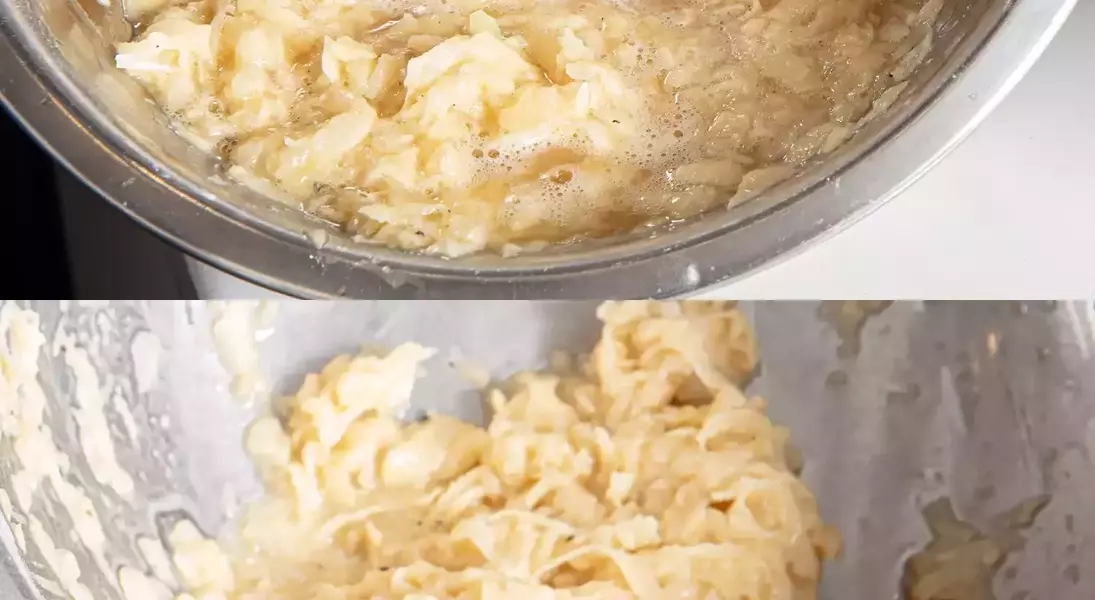
However, an alternative approach emerges from a desire for ease, introducing a simple yet effective method to streamline latke preparation. The key lies in incorporating a small amount of potato starch (or even cornstarch) into the latke mixture, significantly reducing the need for exhaustive squeezing. After grating and performing a moderate squeeze of the potatoes and onions, binders like egg and matzo meal are added. Subsequently, a light dusting of potato starch is introduced. This starch effectively absorbs any residual moisture, ensuring the mixture binds well and fries to a golden crisp. This technique minimizes physical strain and simplifies the overall cooking process, making latke preparation more accessible.
While this method offers a considerable convenience advantage, it's crucial to exercise caution with the amount of added starch. Over-application can lead to an unpleasantly gummy texture, compromising the latke's quality. Therefore, a careful balance is necessary: remove as much moisture as is comfortably possible, then use potato starch sparingly to enhance binding and crispness. This hack, born from a pursuit of culinary efficiency, may not produce the absolute pinnacle of latke perfection, but it reliably yields satisfyingly crisp and delicious potato pancakes with considerably less fuss, perfect for those times when a simpler approach is preferred without sacrificing taste.
Embracing innovative cooking methods like this one allows us to approach culinary traditions with fresh eyes, finding pathways to deliciousness that align with modern lifestyles. It's a testament to the idea that sometimes, the simplest solutions can bring the greatest joy and efficiency to our kitchens, reminding us that good food is not always about rigid adherence to complex rules but also about smart adaptation and joyful experimentation.
