

This article takes a retrospective look at the sartorial choices in the iconic film "The Devil Wears Prada," examining how certain fashion elements, initially met with mixed reviews, have evolved into covetable trends today. It delves into the enduring impact of the movie's styling and proposes a revival of several distinctive pieces, celebrating their charm and relevance in contemporary fashion.
Rediscover the Style Legacy of a Fashionable Fable
Bold and Playful Adornments: The Comeback of Kitsch Jewelry
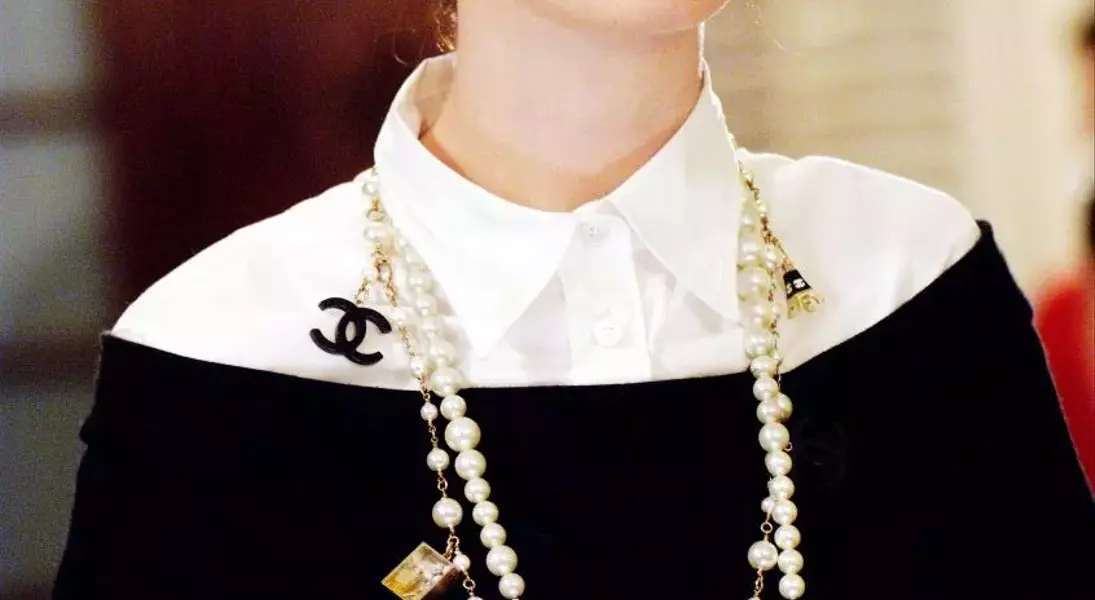
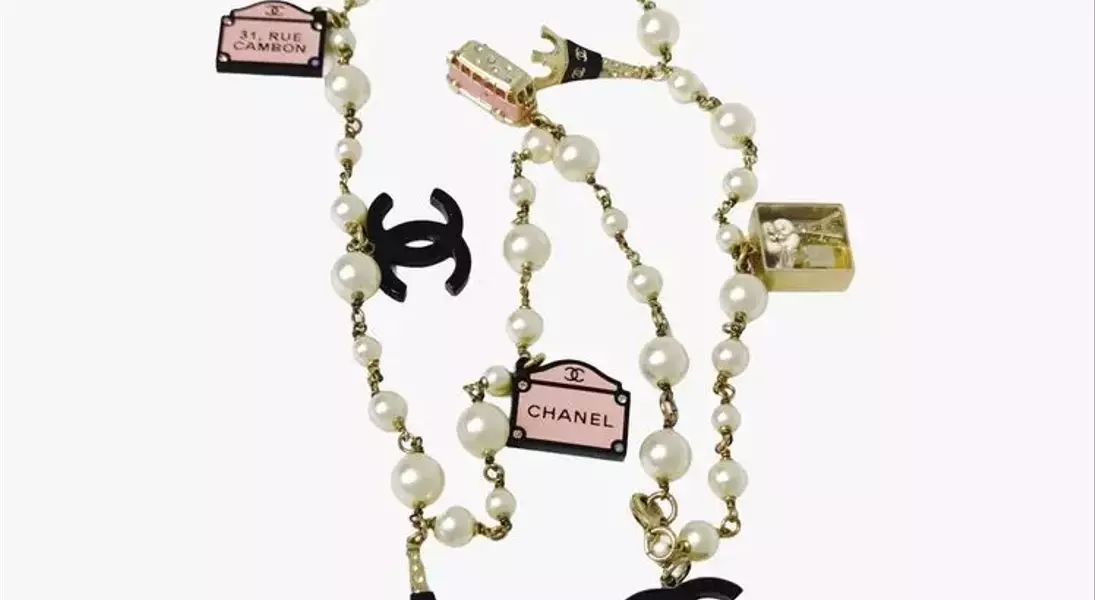
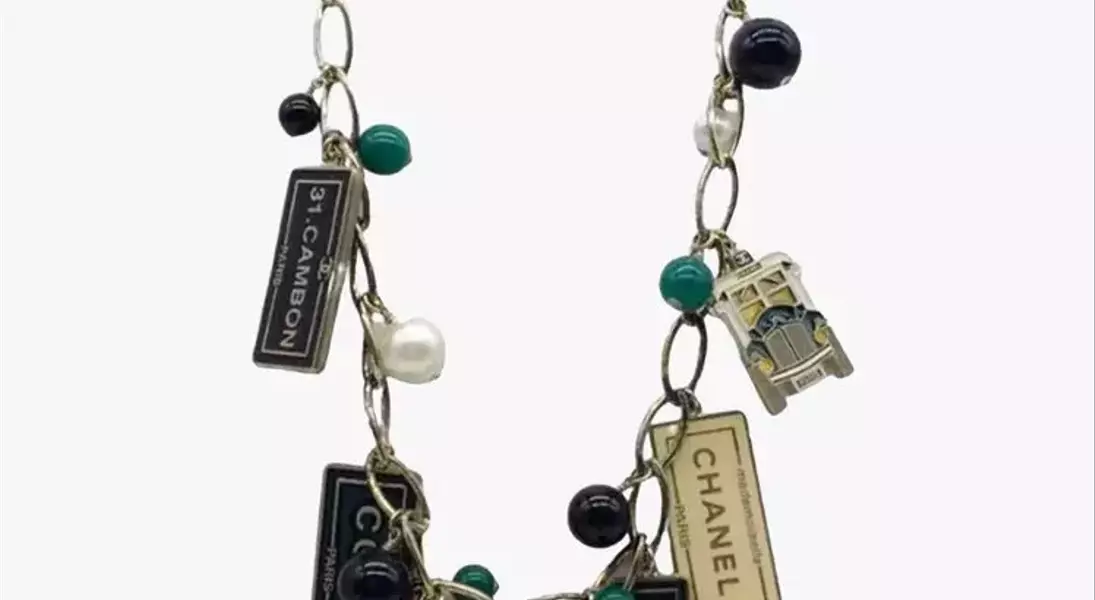
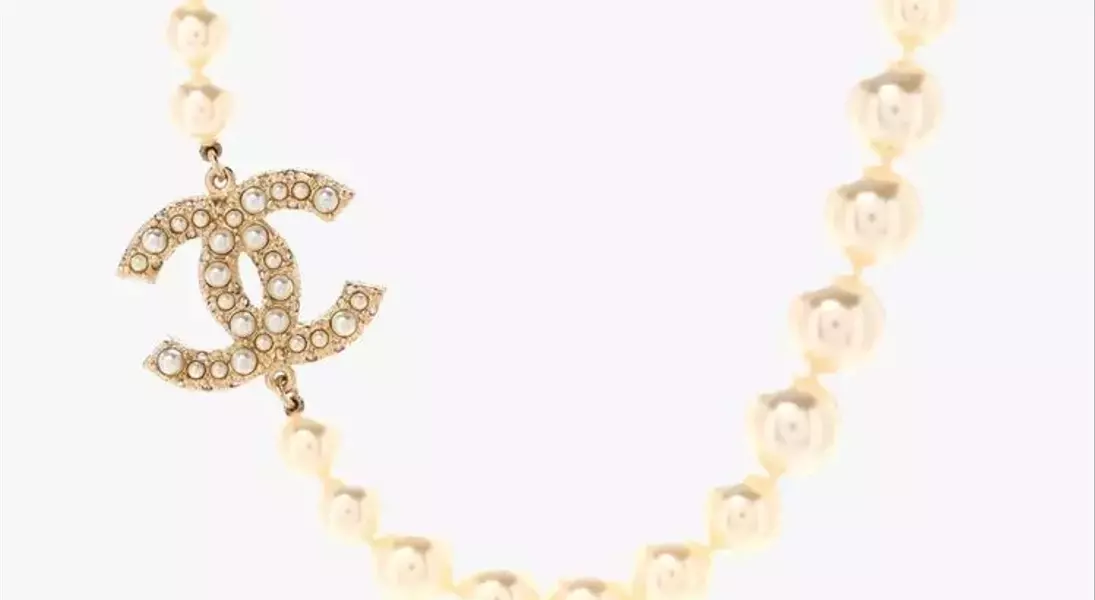
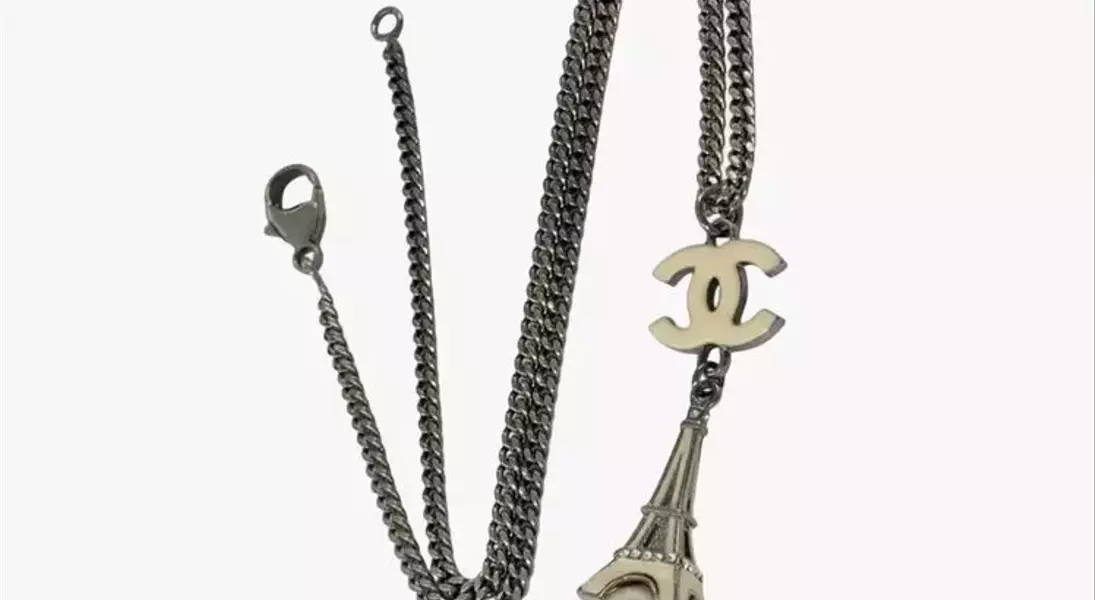
When "The Devil Wears Prada" first premiered in 2006, the fashion community reacted with a touch of skepticism, with critics like Ruth La Ferla of The New York Times questioning the authenticity of the film's wardrobe. Patricia Field's costume designs, often described as an exaggerated take on high fashion, were seen by some as caricatures rather than accurate portrayals of industry insiders. However, Field's retort, "If they want a documentary, they can watch the History Channel," perfectly encapsulated the movie's intent: to create a glossy, mythologized version of magazine life. Today, looking back at the film, it's clear that it was never about literal reality but about heightened drama and unforgettable style moments. Miranda's nonchalant tossing of designer furs and assistants effortlessly sporting head-to-toe Chanel were cinematic liberties that amplified the allure of the fashion world. Nearly two decades later, the film's influence endures, prompting a re-evaluation of its most memorable fashion statements. One such trend ripe for revival is the audacious, high-kitsch jewelry, exemplified by Andy's layered Chanel necklaces, including a charming piece from the 2006 Cruise collection adorned with Eiffel Towers and Rue Cambon motifs. This style, far from the understated elegance often preferred in recent years, embraces playful maximalism. After an era of quiet luxury and minimalist accessories, there's a longing for jewelry that makes a statement, that exudes a "faintly fake" yet utterly captivating charm. It's time to re-embrace these bold, conversation-starting pieces and perhaps, like Andy, book a trip to Paris.
The Unexpected Resurgence of the Structured Bolero
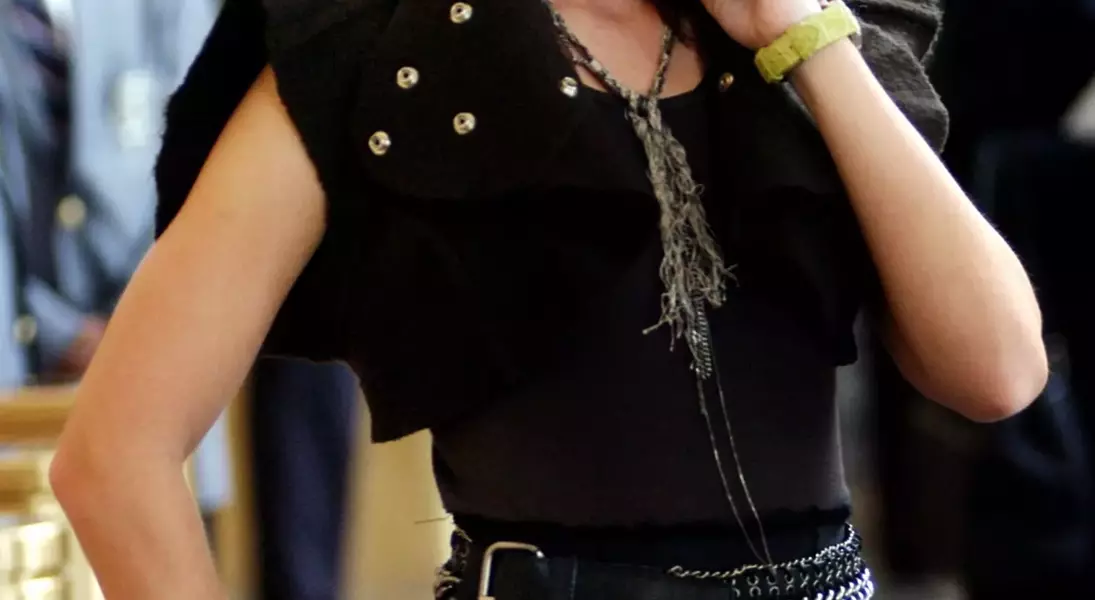
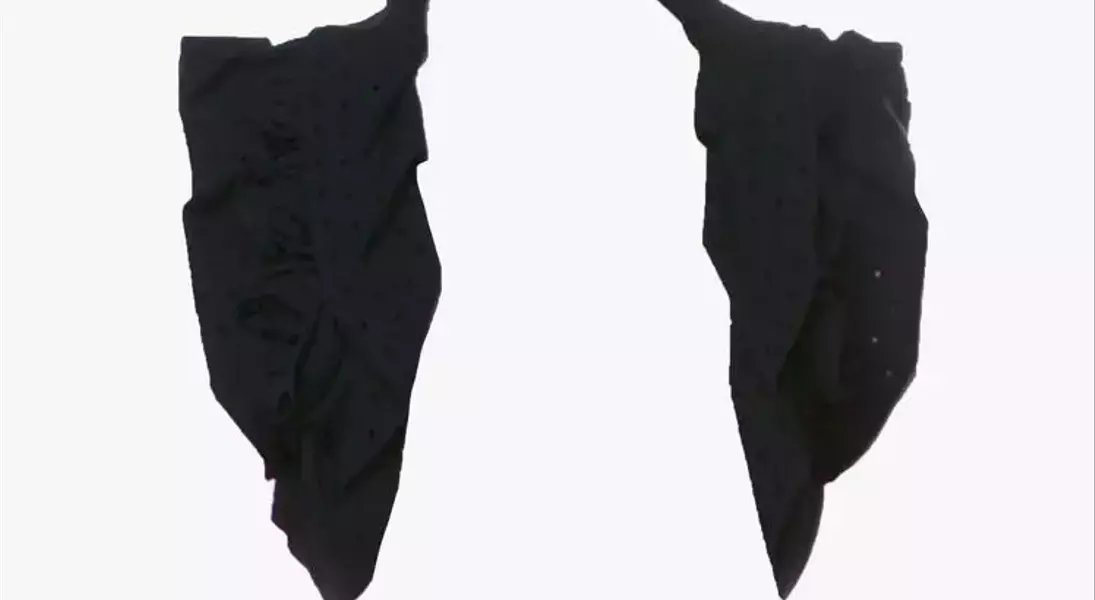
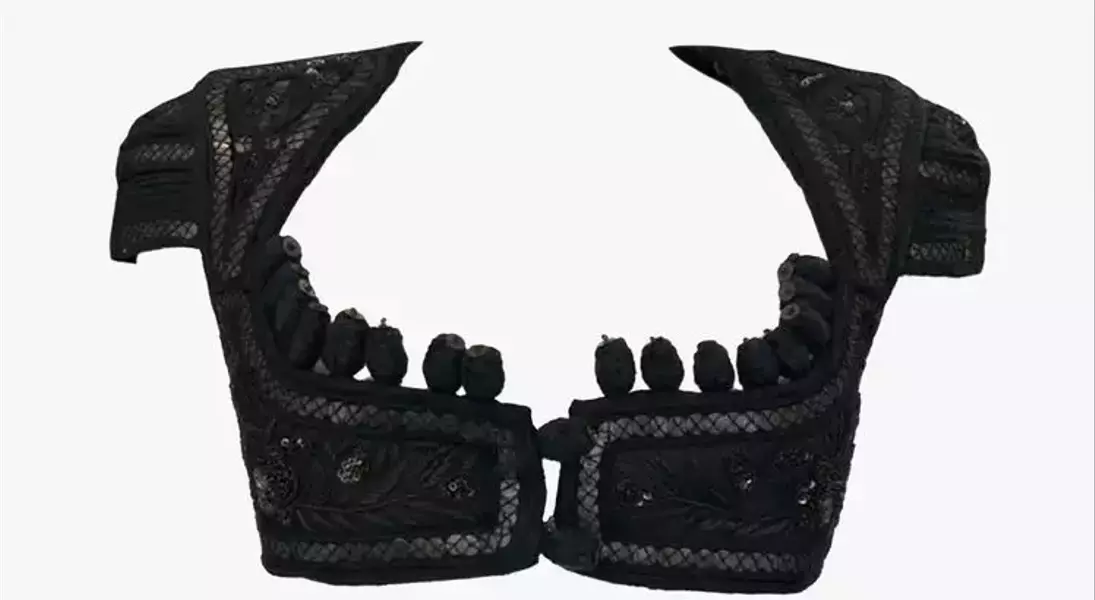
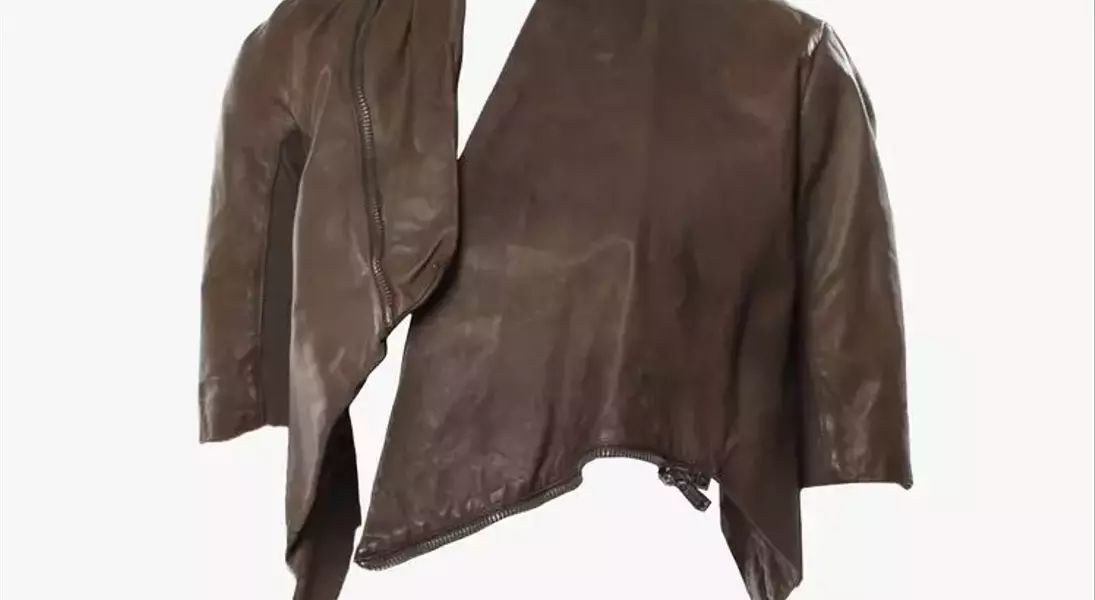
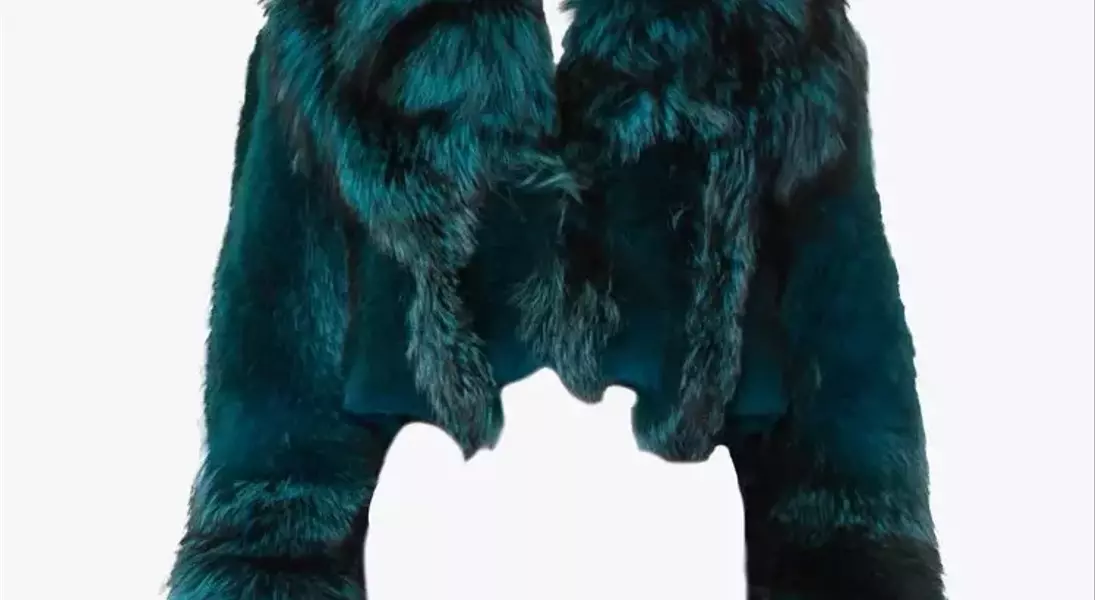
Emily Charlton's entrance in the film is nothing short of iconic, largely due to her strikingly sharp Rick Owens cropped bolero. This garment, which rests on her shoulders like a piece of designer armor, remains a standout moment. Emily Blunt, who portrayed Charlton, has expressed her willingness to wear the piece even now, a sentiment many fashion enthusiasts share. The bolero, a quintessential piece of early 2000s fashion, makes little practical sense. Much like skinny scarves and decorative-only belts from the same era, its function is primarily aesthetic: to add complexity and intrigue to a silhouette. In an age dominated by oversized blazers and classic camel coats, there's a renewed appreciation for outerwear that prioritizes form over strict utility. Emily's bolero did precisely that, providing a sharp, stylish edge that set her apart. Its return would inject a much-needed dose of deliberate, architectural tailoring into contemporary wardrobes, challenging the current emphasis on simple, boyish cuts.
Embracing Eccentricity: The Mid-Arm Bangle's Return
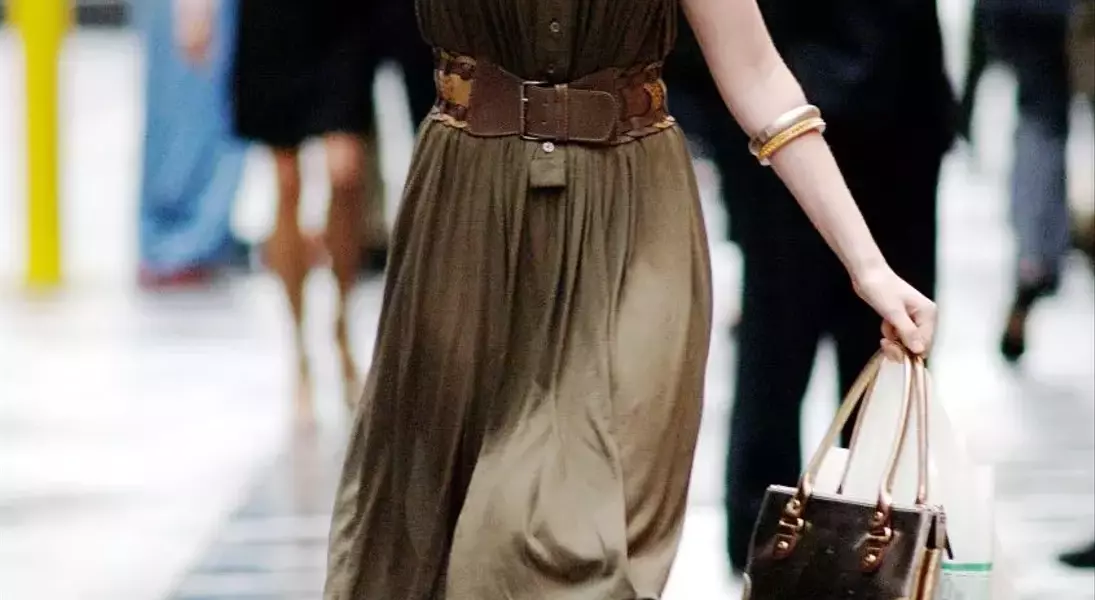
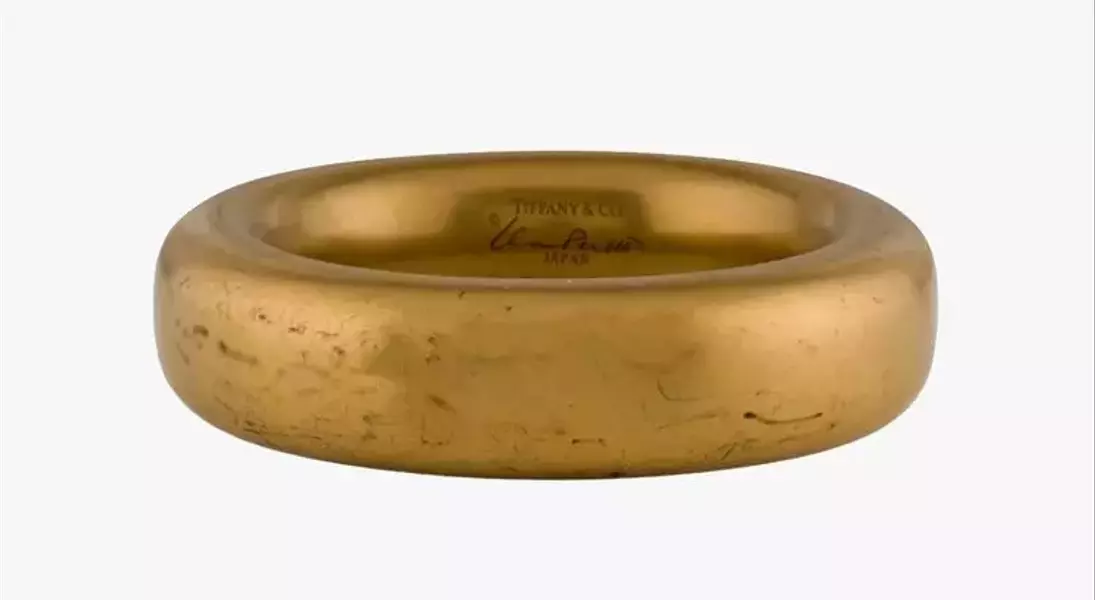
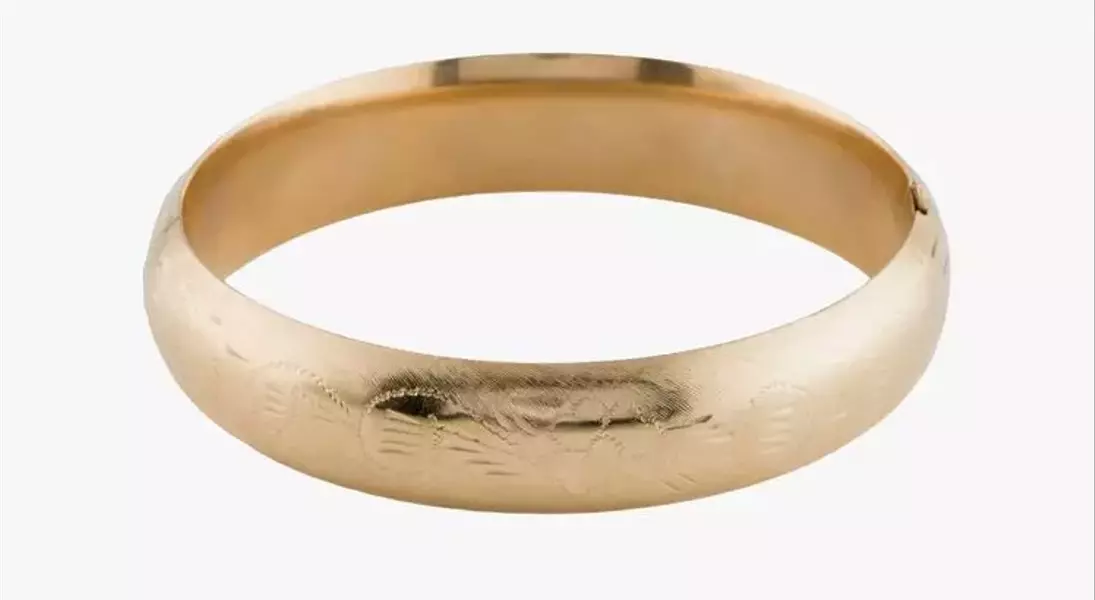
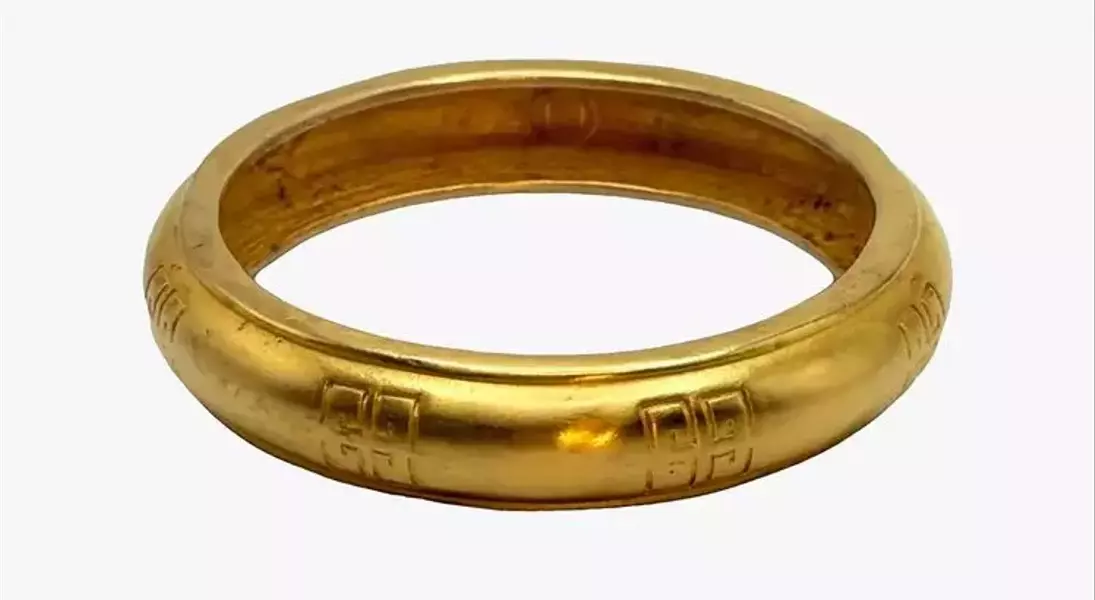
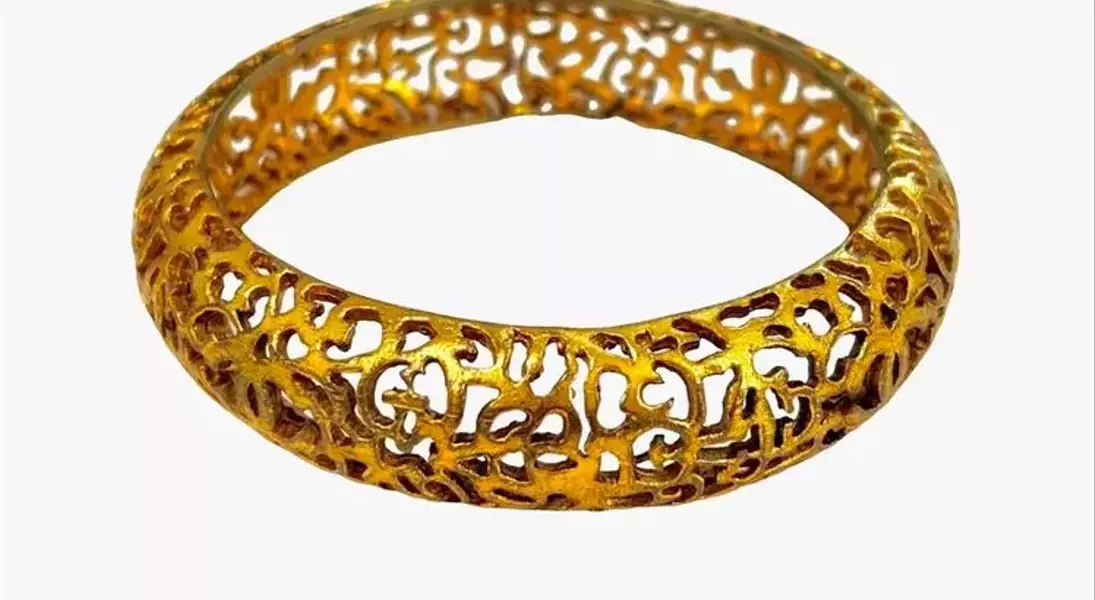
In a memorable sequence where Andy navigates Manhattan in search of a "Harry Potter" manuscript, her ensemble—an olive green Calvin Klein dress, Giuseppe Zanotti heels, and Me&Ro necklaces—is completed by a bangle worn unusually high on her forearm. While traditional cuffs are a familiar sight, typically resting gracefully at the wrist, Andy's mid-arm bangle challenges convention. It defies gravity, perching almost like a tourniquet, yet achieving an unexpectedly humorous effect. This peculiar placement is not only visually distinct but also subtly practical: it keeps chunky jewelry from clattering against a keyboard, offering an eccentric touch without sacrificing functionality. In an era where individuality and unique styling are highly valued, bringing back the mid-arm bangle offers a chance to add an asymmetrical, playful element to accessorizing, pushing boundaries beyond conventional wristwear.
A Tribute to American Sophistication: The Enduring Charm of Bill Blass
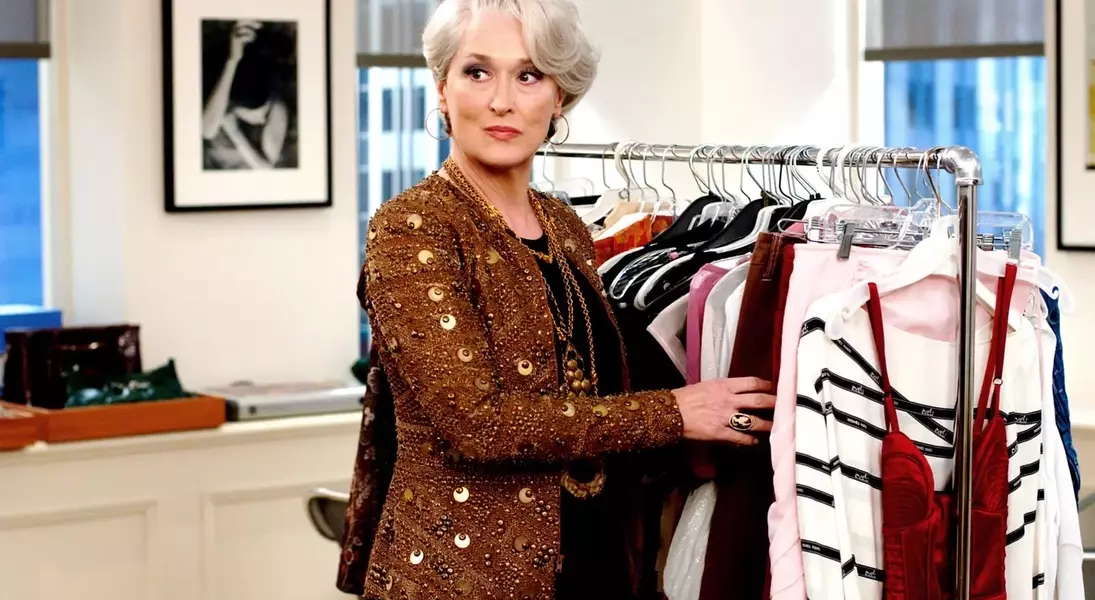
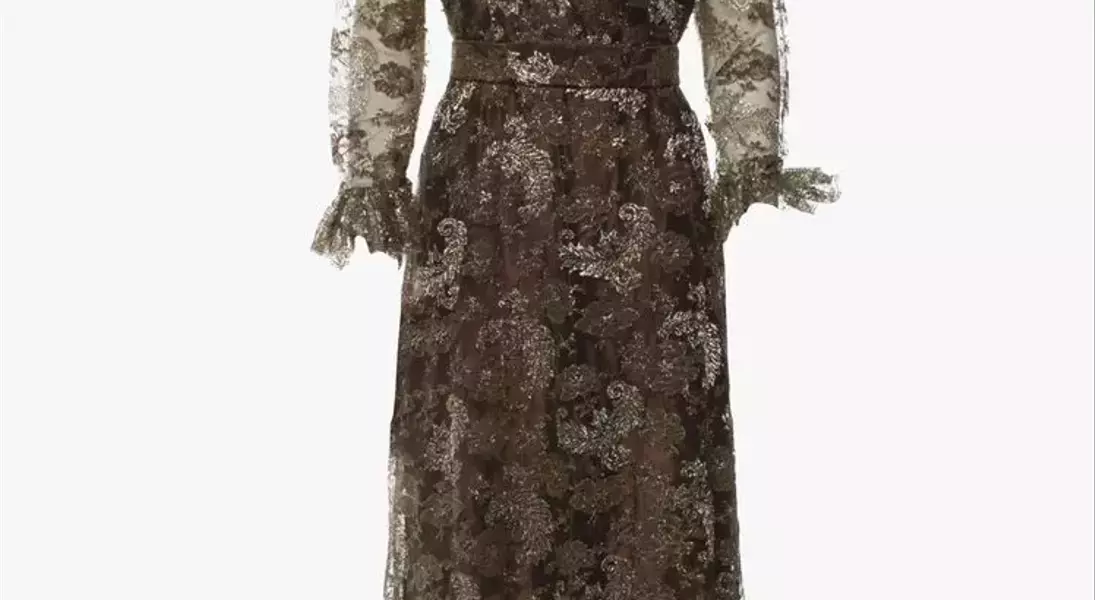
During Miranda Priestly's memorable "cerulean monologue"—a quintessential fashion sermon—she commands attention in a shimmering, gold medallion-adorned Bill Blass jacket. This piece almost steals the scene, a testament to its striking design. It was part of Bill Blass's Fall 2004 collection, during Michaele Vollbracht's often-understated tenure, a choice that Patricia Field, the film's costume designer, deliberately made to showcase a distinct American aesthetic rather than a more obvious European luxury brand. This call for the return of the Bill Blass jacket is more broadly a plea for the resurgence of the entire Bill Blass aesthetic. Blass, known for dressing style icons like Gloria Guinness and Brooke Astor, imbued luxury with wit and charm, departing from solemnity. The label's eventual closure in 2008 left a void, making its absence in today's vintage-obsessed market feel even more pronounced. Reintroducing Bill Blass would honor a legacy of sophisticated American design that blended elegance with a playful spirit.
The Allure of the "Ugly" It Bag: Redefining Desirability
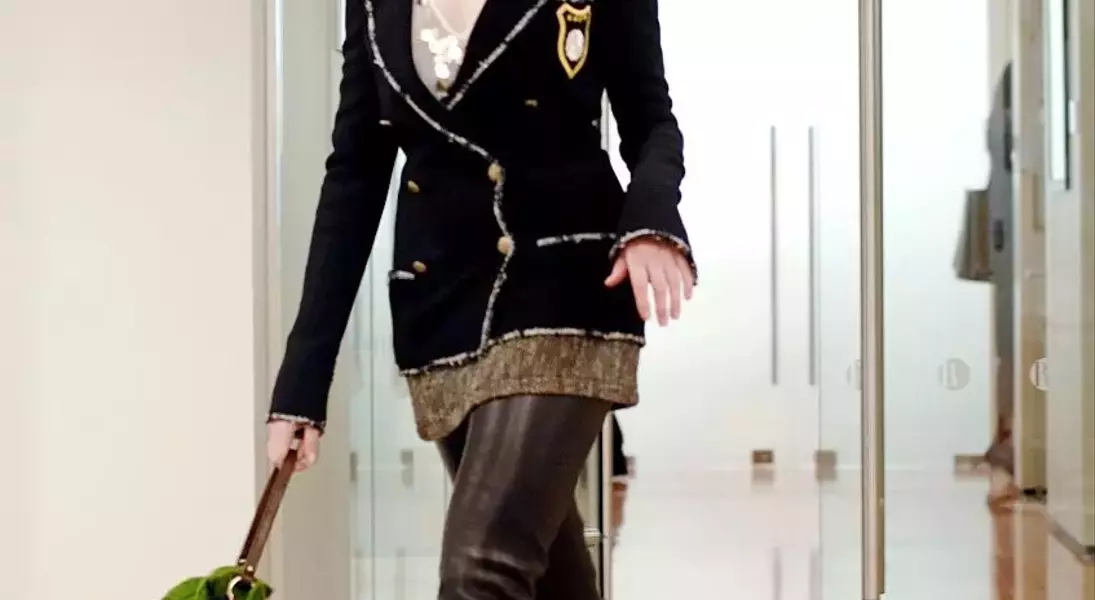
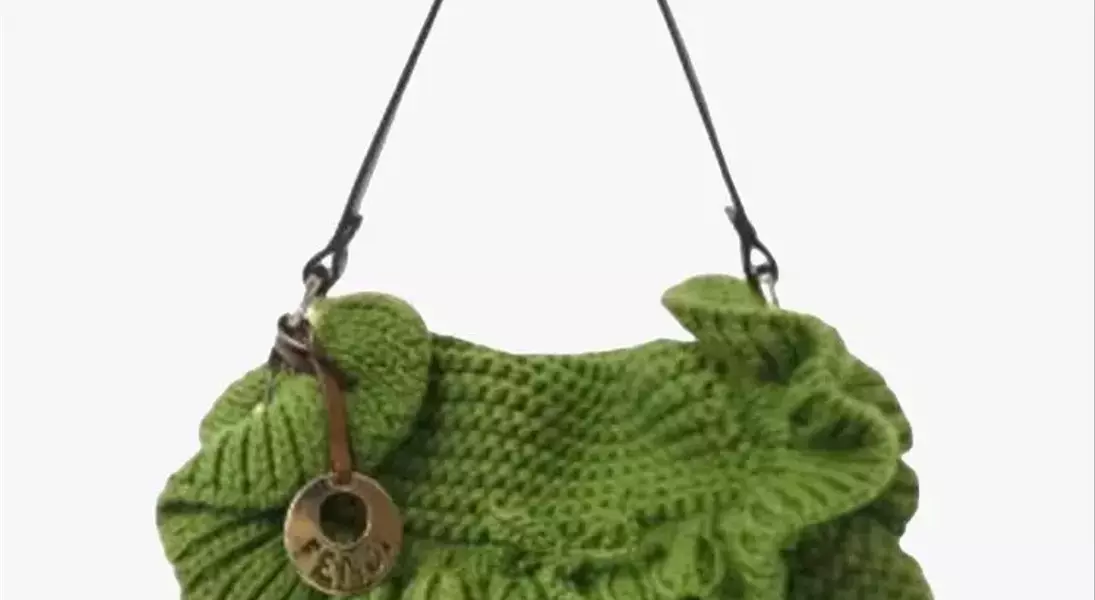
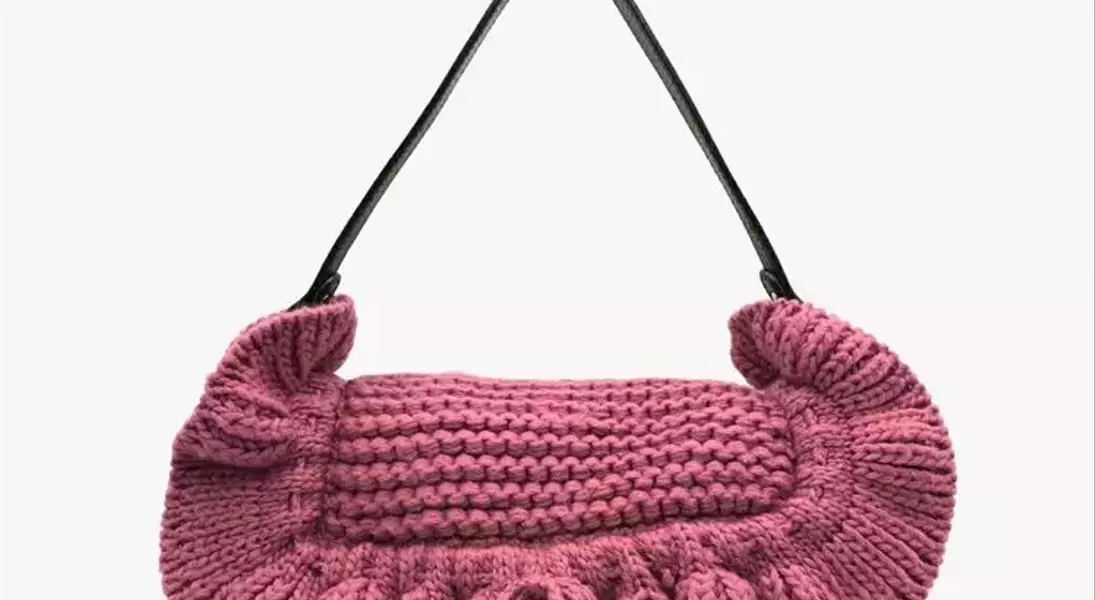
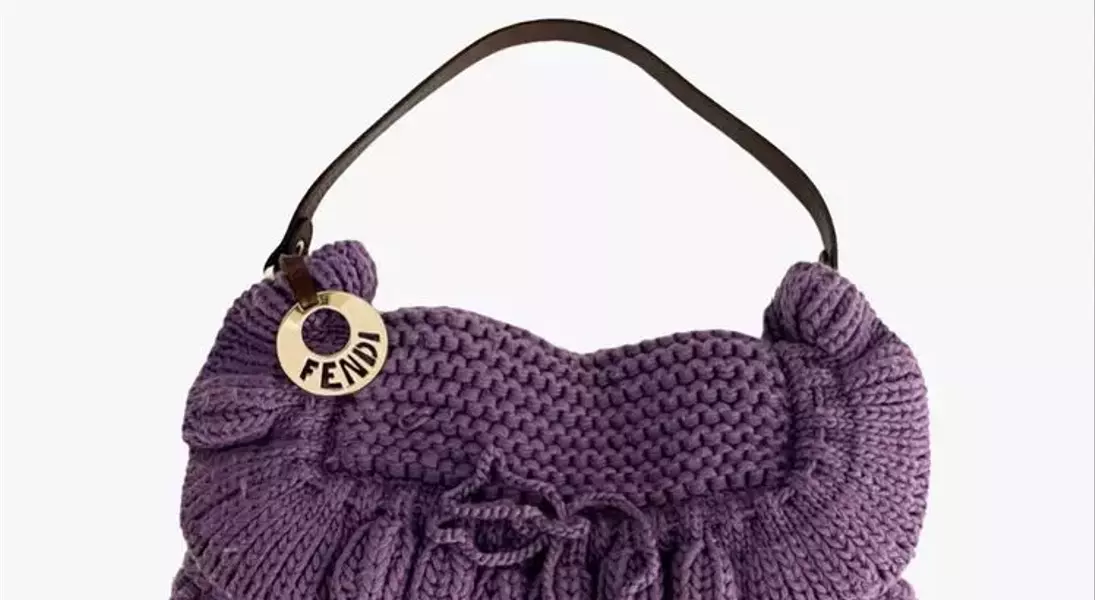
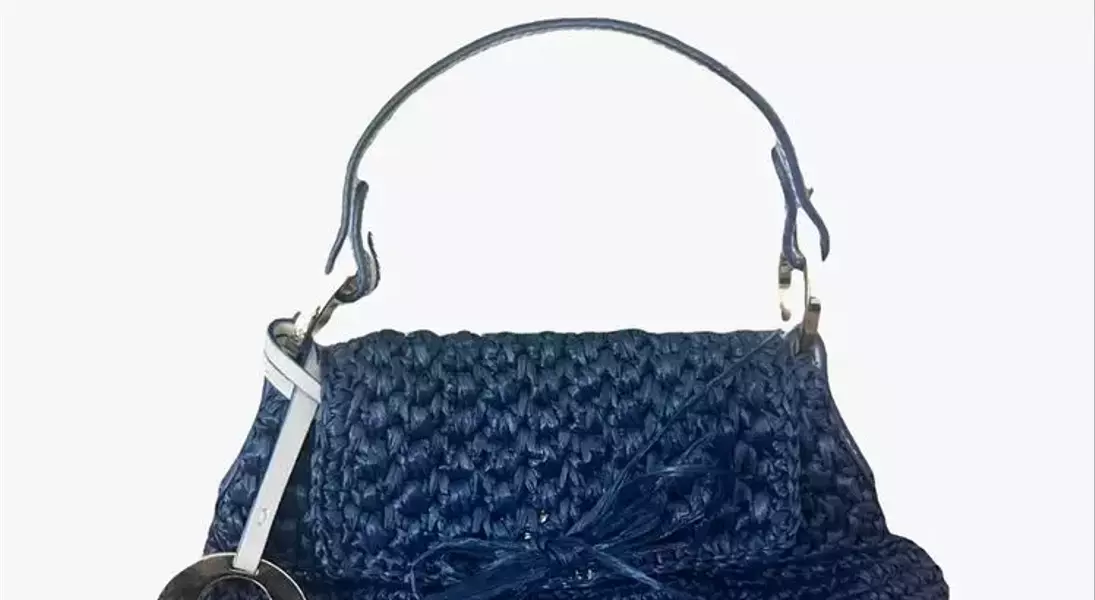
Following Andy's dramatic fashion transformation, set to Madonna's "Vogue," Nigel famously tells her she's in "desperate need of Chanel." While her thigh-high Chanel boots and yacht-club blazer are undoubtedly striking, the true revelation is the green knit Fendi Chef bag from Karl Lagerfeld's 2005 collection, casually slung from Andy's wrist. This bag stands out precisely because it isn't conventionally beautiful. Its handcrafted, crocheted texture and relaxed form evoke an early-aughts bohemian vibe, making it an "ugly" It bag – a piece that demands attention and contemplation rather than immediate admiration. In a fashion landscape often dominated by uniformly anonymous leather totes, there is a yearning for handbags that possess character, that disrupt a conversation, and assert their presence with a unique, unconventional charm. The Fendi Chef bag represents a bold departure from the expected, suggesting that true style lies in embracing the idiosyncratic.
Embracing the Wholesome: The Unironic Pageboy Cap
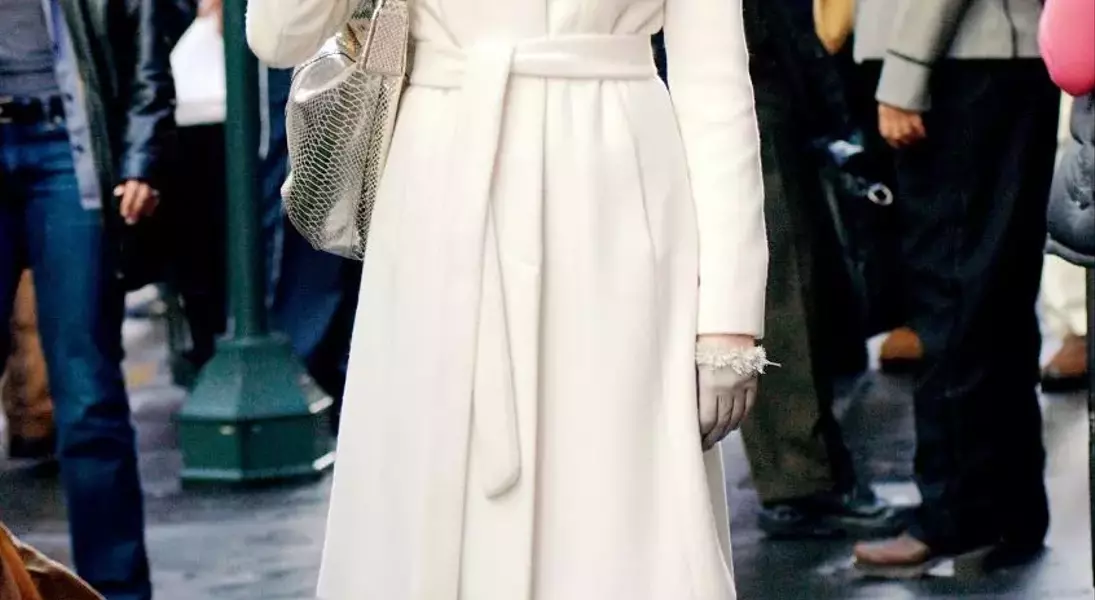
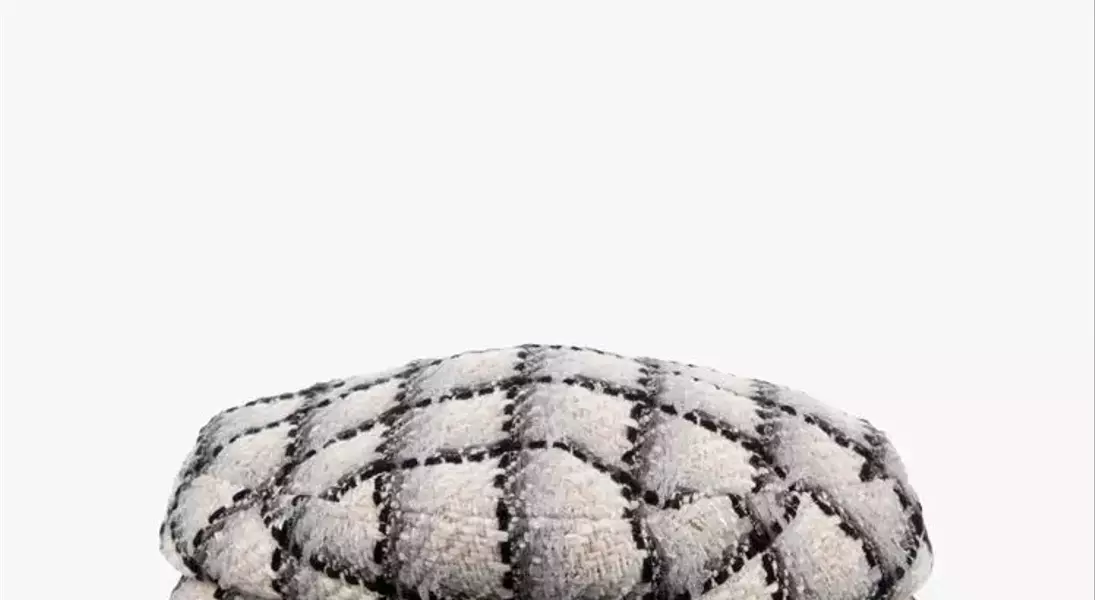
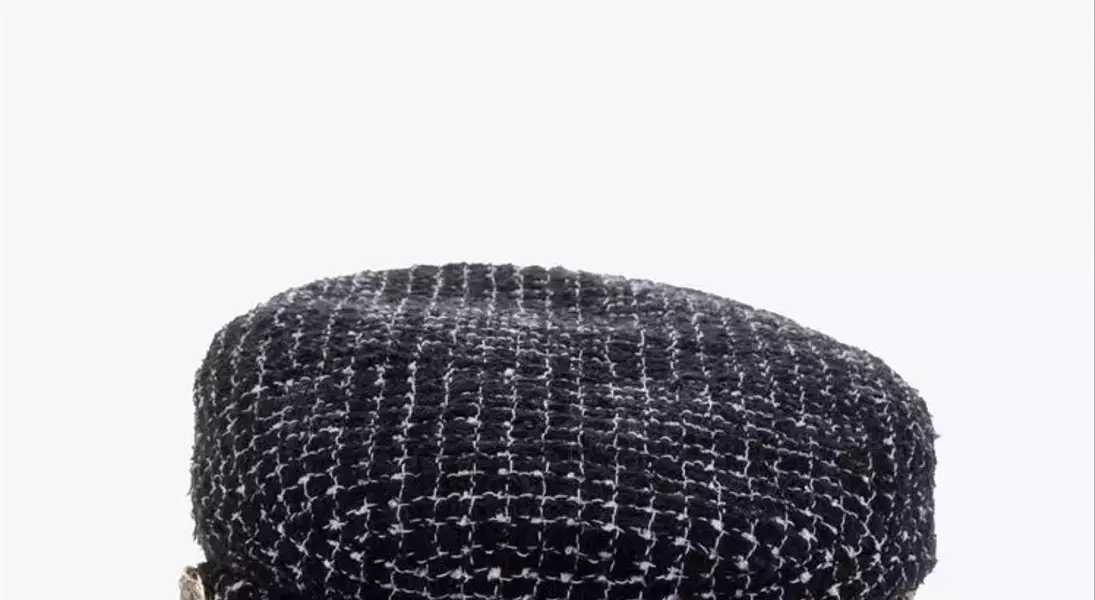
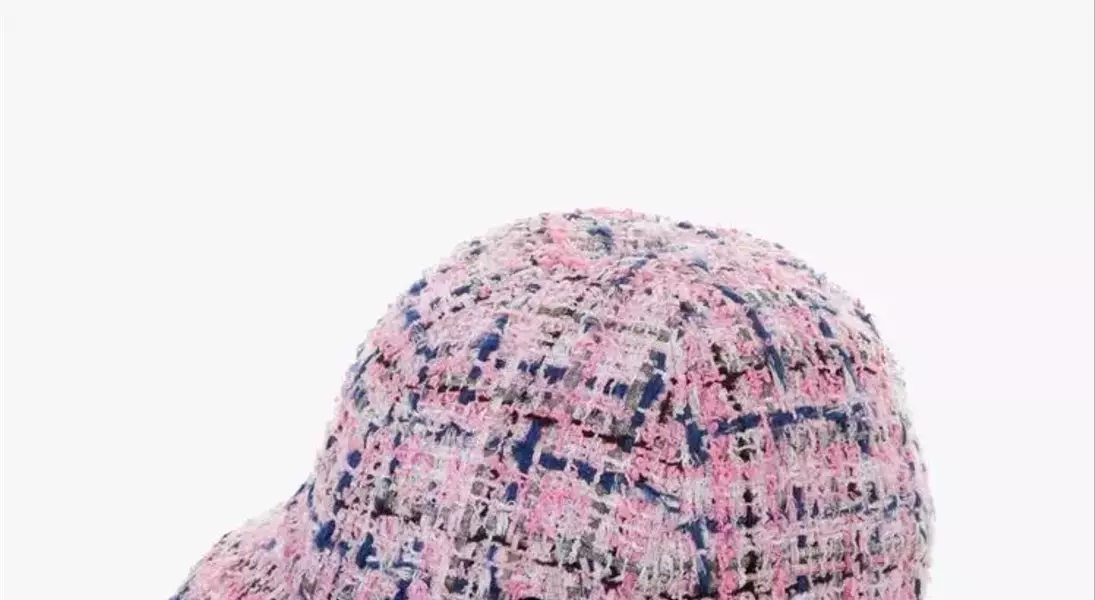
For millennials who grew up admiring figures like Hilary Duff and Ashlee Simpson, the pageboy cap holds a nostalgic appeal. However, in the early 2000s, these caps were often worn with a hint of irony, paired with band tees or indie-sleaze waistcoats. Andy Sachs, in a stark contrast, wears her Chanel tweed pageboy cap with genuine sincerity, combining it with a pristine white Yigal Azrouël coat and Marni pumps. This wholesome and earnest styling feels remarkably refreshing. There is also a touch of humor in Patricia Field's decision to crown a young woman striving in print media with a hat historically associated with newsboys. The time is ripe for the pageboy cap's return, not just as a nod to Y2K fashion, but as a statement that encourages everyone to incorporate more hats into their daily attire, adding a touch of classic charm without irony.
The Audacious Allure of the "F-You" Fur
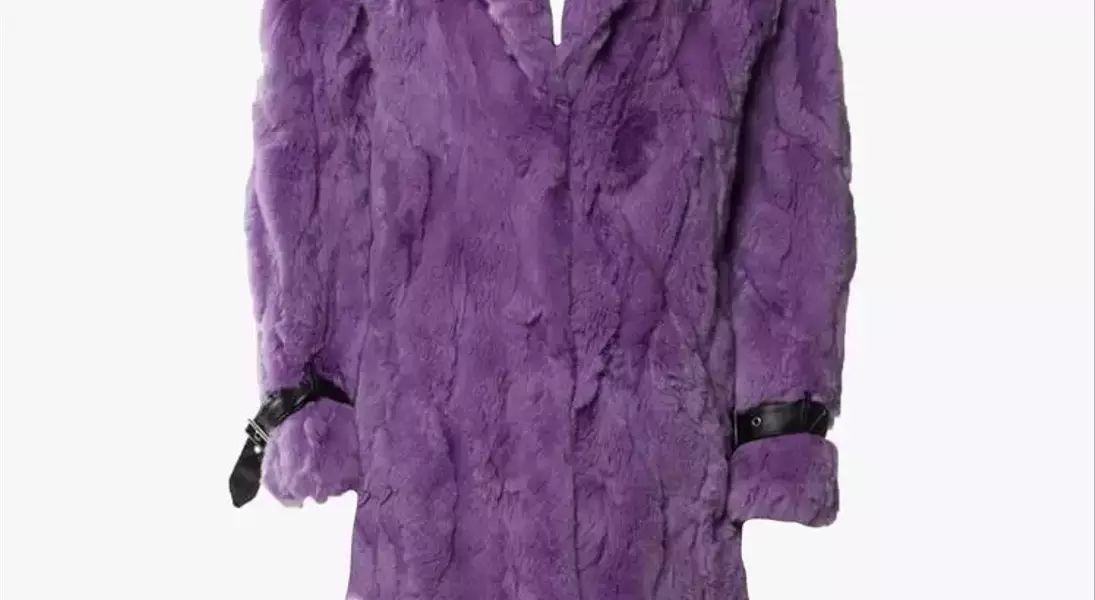
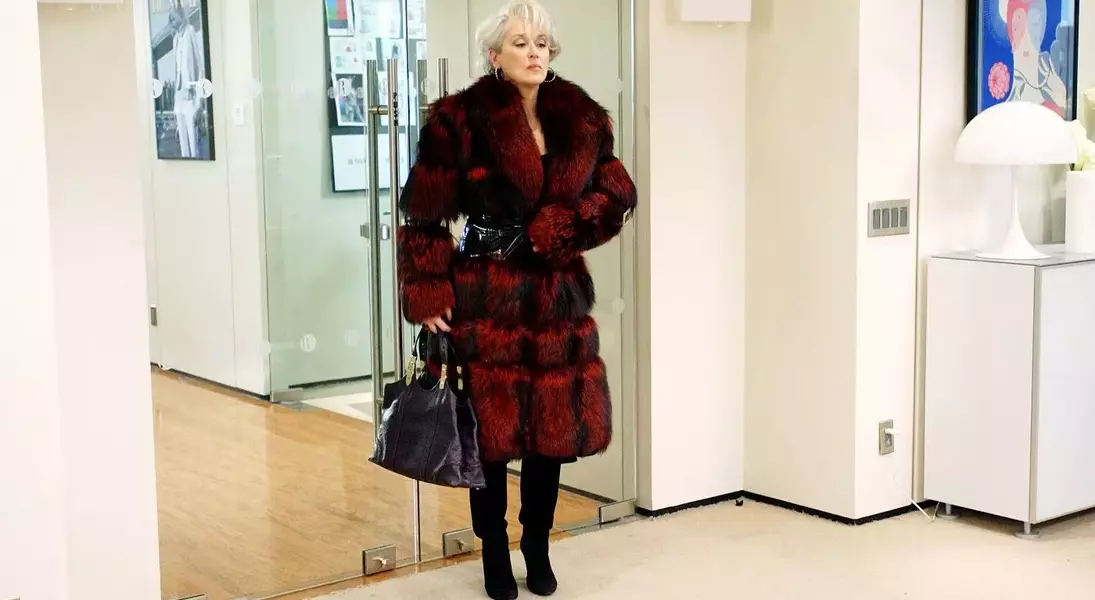
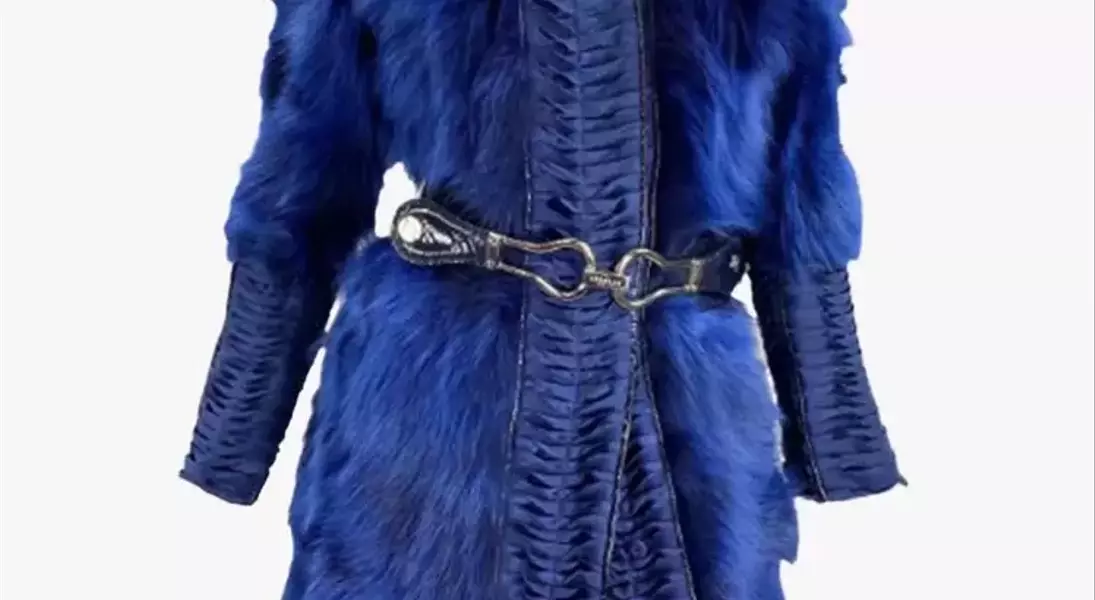
The concept of "F-you money" refers to a level of financial independence that allows for unrestrained extravagance. Applied to fashion, this translates to the "F-you fur" – a garment worn not for practical warmth or subtle elegance, but for pure, unadulterated self-expression and impact. Before any ethical concerns arise, it's crucial to clarify that this refers to vintage or faux fur. Miranda Priestly's red fox fur, a design by Canadian artist Izzy Camilleri, perfectly embodies this spirit. Paired with a purple Gucci Horsebit Glam shoulder bag and black suede knee-high boots, this fur is less about outerwear and more about a dramatic peacocking performance. It's a statement piece, almost cartoonish in its opulence, reminiscent of a glamorous Muppet. The "F-you fur" is for the wearer who possesses enough practical coats to justify owning one that is utterly impractical, donned solely for a grand entrance and an unforgettable impression, rather than for endurance against the elements.
