




The classic D&D role-playing game, 'The Temple of Elemental Evil,' originally launched in 2003, is experiencing a remarkable resurgence thanks to a new release from SNEG. While the game was lauded for its faithful adaptation of the D&D 3.5 ruleset and its immersive Greyhawk setting, it was also infamous for numerous technical glitches and design flaws that hindered player enjoyment. This updated version, however, has addressed these long-standing issues by seamlessly integrating over a thousand community-developed tweaks, fixes, and restored content. The result is a much-improved and highly stable experience that finally allows the game's inherent qualities to shine through, offering a deep, tactical, and authentically D&D adventure to a new generation of players and veterans alike.
Upon its initial release, 'The Temple of Elemental Evil' was met with a mixed reception. While reviewers, including PC Gamer, acknowledged its potential with a respectable 79% rating, players frequently encountered frustrating problems. These included NPC companions becoming bogged down with excessive, unnecessary loot, poor pathfinding, and a host of other bugs that detracted from the otherwise engaging gameplay. Many players, myself included, often found themselves abandoning the game out of sheer frustration rather than attempting to navigate a labyrinth of forum discussions in search of unofficial workarounds. The game's appealing promise of a meticulous digital rendition of Dungeons & Dragons' 3.5 rules and a fresh backdrop beyond the familiar Sword Coast often fell short due to these persistent technical shortcomings and sometimes puzzling design choices.
The current re-release by SNEG marks a significant turning point for this once-troubled title. Crucially, all the extensive community-created patches, fixes, and additional content that have circulated online for years are now intrinsically woven into the default installation. This eliminates the burden on players to manually apply complex patch sequences or preemptively troubleshoot known issues. Instead, the game now functions as originally intended, or perhaps even better, right from the first launch. This integrated approach ensures a smoother and more accessible experience, removing the technical barriers that previously prevented many from fully appreciating the game's depth and ambition.
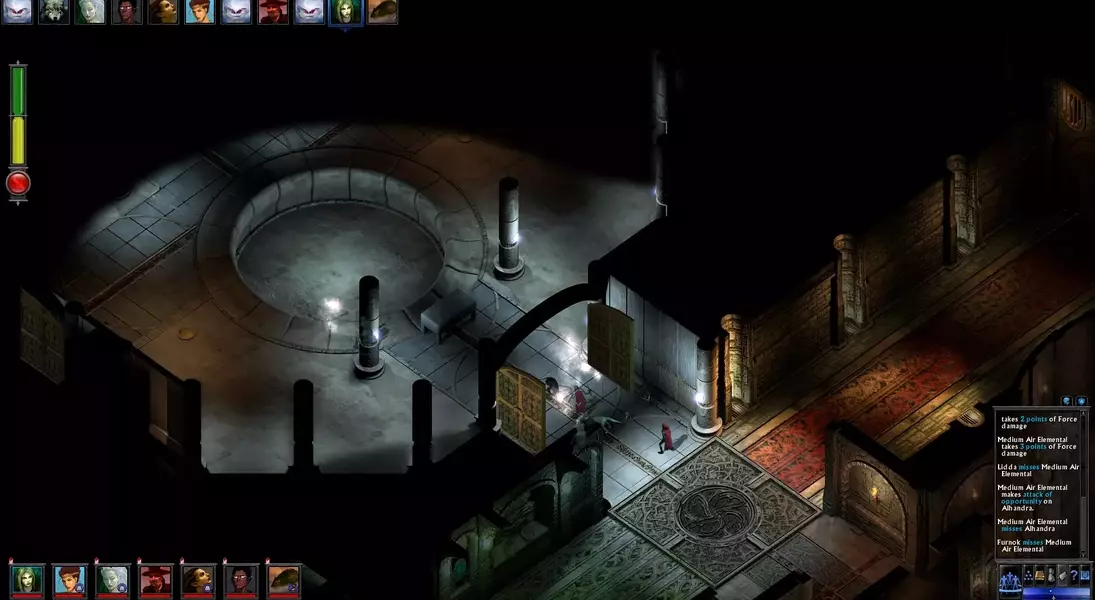
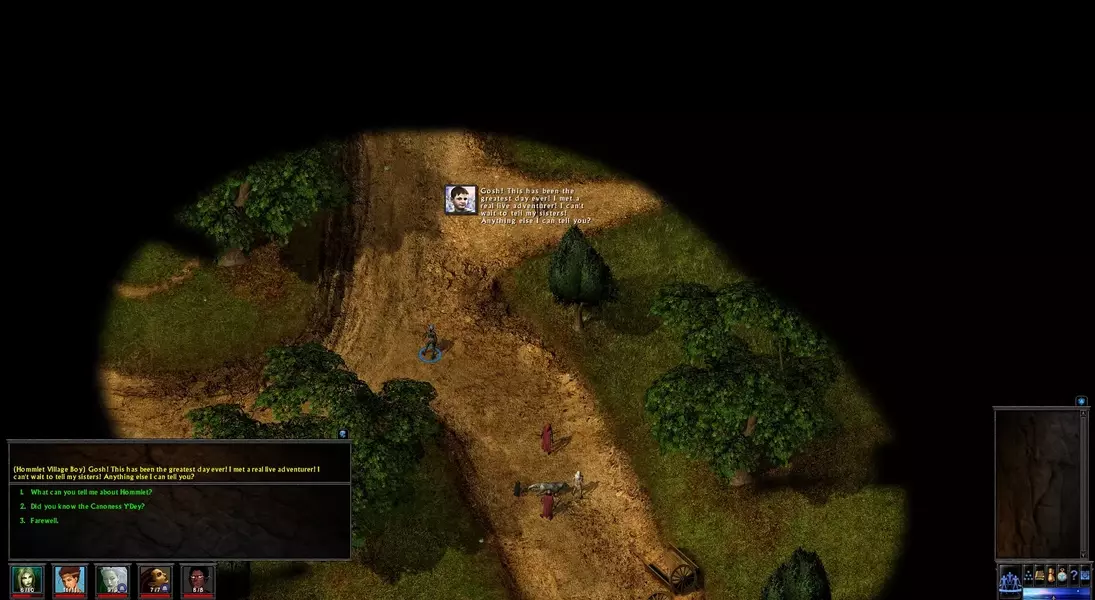
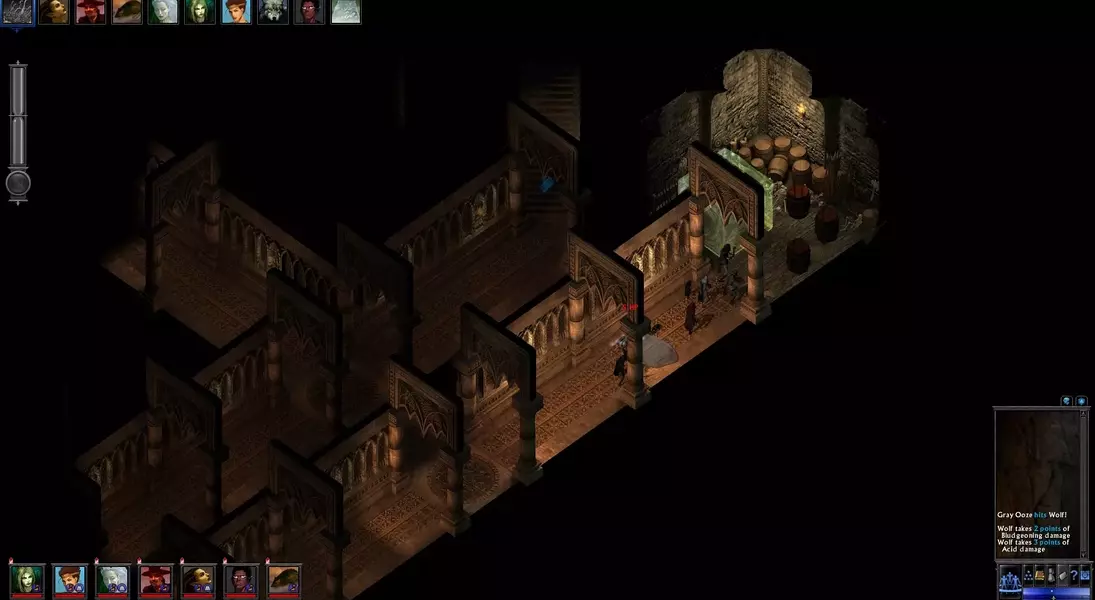
This isn't merely a cosmetic upgrade; it's a comprehensive restoration. The game retains its core identity, eschewing the trend of overly simplified remakes that cater to modern sensibilities. Instead, it maintains the challenging combat and intricate questlines that defined its 2003 roots. Beyond stability, the re-release introduces thoughtful enhancements, such as previously unavailable sidequests from NPCs and a magic chest for item storage, solving the original's frustrating inventory management. Players can now explore areas and storylines that were cut from the initial launch, enriching the overall narrative and world. Visually, the game also benefits from high-resolution support and an optional windowed mode, allowing its distinctive early 2000s art style—a blend of pre-rendered backgrounds and 3D characters—to appear sharp and vibrant on contemporary displays without distortion.
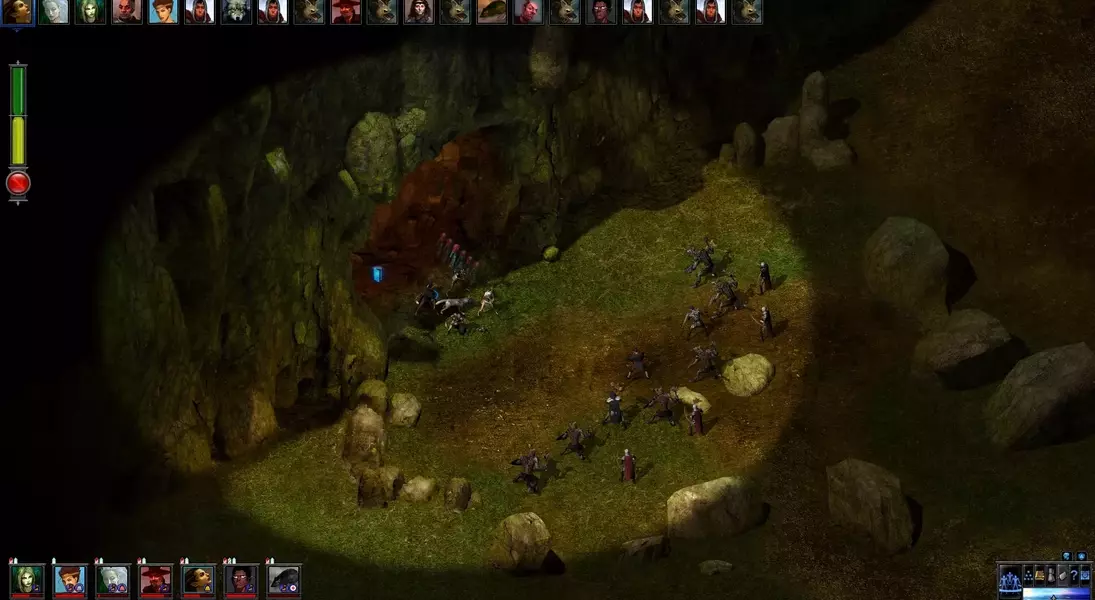
In a gaming landscape dominated by modern, graphically advanced RPGs like Baldur's Gate 3, one might question the appeal of revisiting a game from two decades ago. However, 'The Temple of Elemental Evil' offers a distinct and enriching experience. Stripped of its original technical flaws, the game reveals itself as a pivotal moment in the evolution of turn-based D&D adaptations. It bridges the gap between the classic 'gold box' RPGs—which relied on physical maps and journal entries—and the more streamlined, story-driven modern titles. Its unique and faithful interpretation of D&D rulesets distinguishes it from its peers, providing a level of tactical depth rarely found in other computer RPGs. Combat, for instance, offers a multitude of choices for even the most basic actions, demanding strategic consideration for movement, attacks, and environmental interactions, allowing players to fully leverage their characters' diverse skill sets in ways that remain satisfyingly complex and engaging.
This renewed accessibility for 'The Temple of Elemental Evil' is a true testament to the enduring power of community and dedicated development. It's not a remake or a remaster in the traditional sense, but rather a painstaking repair that allows the game's original vision to finally flourish. For long-time fans who recall the original's buggy glory, it's a curated collection of improvements that preserves the nostalgic charm and distinct rule set they cherish. For new players, particularly those captivated by recent D&D successes, this enhanced version offers a remarkably freeform and tactical RPG experience, feeling surprisingly fresh and innovative despite its age. The temple, after years of being hampered by technical woes, is now fully open and ready for devotees to worship its unique form of D&D gameplay.
