The gaming landscape has long been captivated by the charm of farming simulation titles, a genre where "Story of Seasons" once reigned supreme. However, in the wake of newer, innovative competitors, the series experienced a period of creative stagnation, releasing titles that failed to capture the original magic. This detailed examination delves into how the recent remake of "Grand Bazaar" has not only revitalized the franchise but also re-established its unique identity and appeal, demonstrating a successful return to form for developer Marvelous.
For many years, "Story of Seasons," originally known as "Harvest Moon" outside of Japan, was the undisputed pioneer of the farming simulation genre. Its gentle gameplay, focus on building community, and the simple joy of cultivating virtual land resonated with a wide audience. However, the emergence of games like "Stardew Valley" in 2016 presented a formidable challenge, introducing fresh mechanics and broader narrative themes that arguably overshadowed the more traditional offerings from Marvelous. This shift prompted a critical period of introspection for the developers, as subsequent releases, including various tie-ins and remakes, often felt uninspired or struggled to innovate beyond their predecessors. Titles like "Pioneers of Olive Town," for instance, were criticized for lacking depth and identity, leaving many long-time fans questioning the future direction of the beloved series.
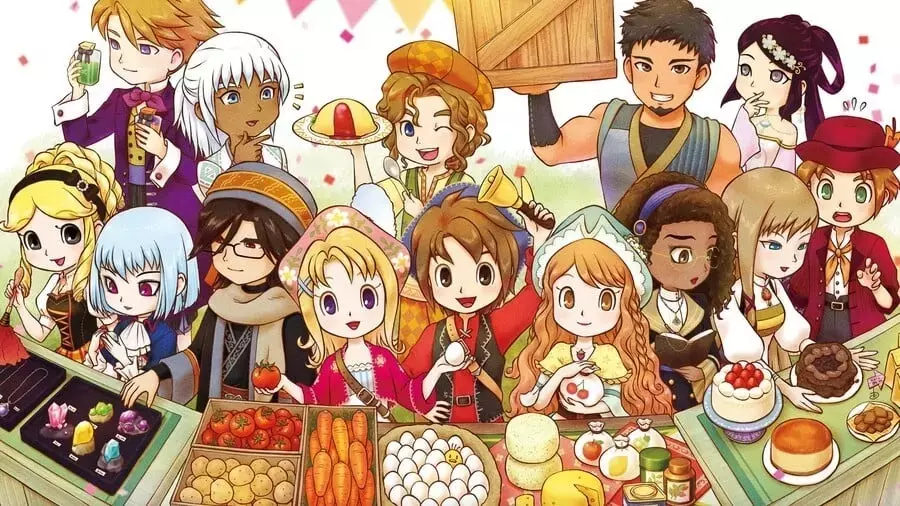
The announcement of a "Grand Bazaar" remake initially met with a degree of skepticism from the community, especially given the lukewarm reception of some previous remasters and new entries. The original "Grand Bazaar" was not among the most celebrated titles in the series, but it held a special place for a dedicated cult following. Against these expectations, Marvelous delivered a remarkable transformation. The remake emerged as a deeply enriched, visually stunning, and fully voiced experience, transcending mere nostalgia. It signaled a clear departure from attempts to imitate its rivals, instead emphasizing the core elements that originally made "Story of Seasons" a hit: compelling characters, a strong sense of community, and the whimsical, often supernatural, humor that defined its earlier installments.
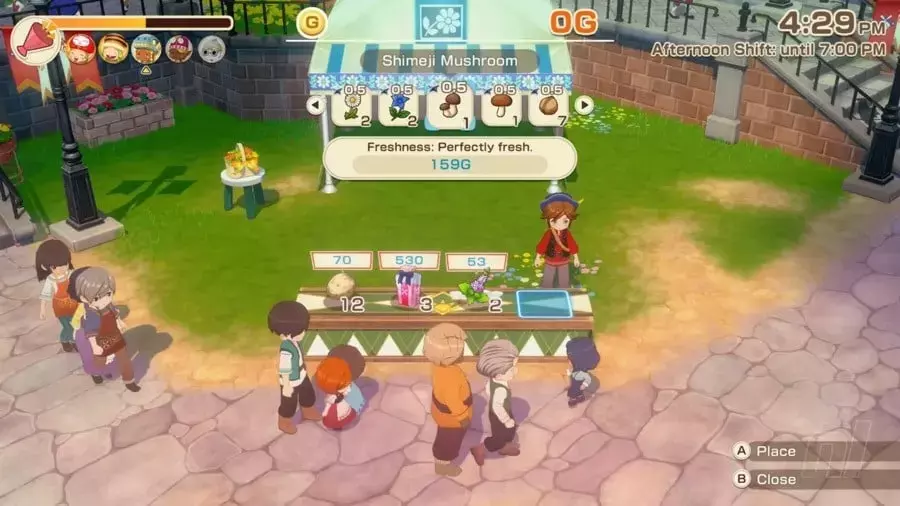
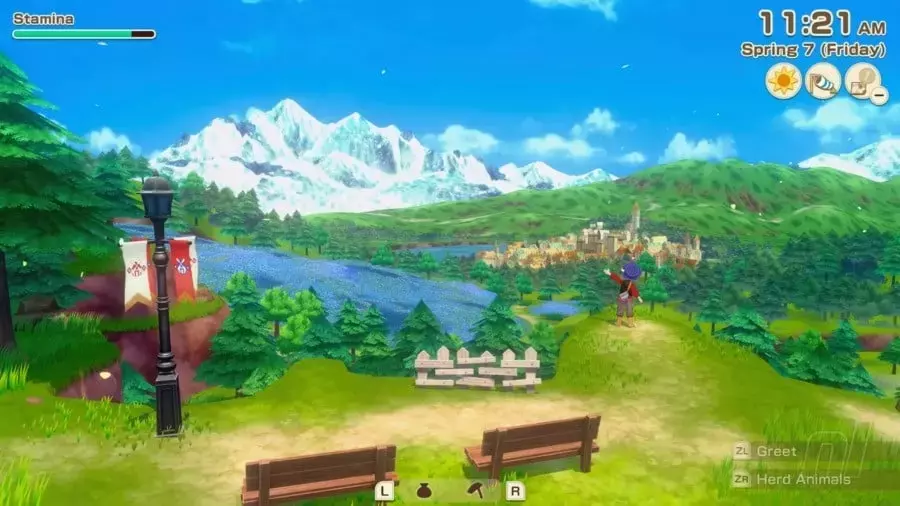
The meticulous attention to detail in "Grand Bazaar" is evident throughout the game. From subtle environmental animations, such as flags fluttering in the breeze, to significant gameplay enhancements like character customization, same-gender romance options, and a "Breath of the Wild"-inspired gliding system, every addition speaks to a developer keenly aware of contemporary player desires. The bazaar mechanic, central to the game, has been entirely re-envisioned, offering a more intricate and satisfying economic system that addresses previous frustrations. These thoughtful improvements suggest a reinvigorated development process at Marvelous, where creativity and player feedback have been prioritized to craft a game that not only honors its heritage but also confidently stands alongside modern farming sims. The remake has successfully demonstrated that Marvelous can evolve and innovate while staying true to the spirit of its long-standing franchise.
The success of "Grand Bazaar" marks a pivotal moment for the "Story of Seasons" series. It is a testament to the fact that even established franchises can rediscover their spark by returning to their fundamental strengths and embracing meaningful innovation. This critically acclaimed remake serves as a beacon of hope for fans, signaling a renewed commitment from Marvelous to deliver high-quality, engaging farming simulation experiences that resonate with both veteran players and newcomers alike.
