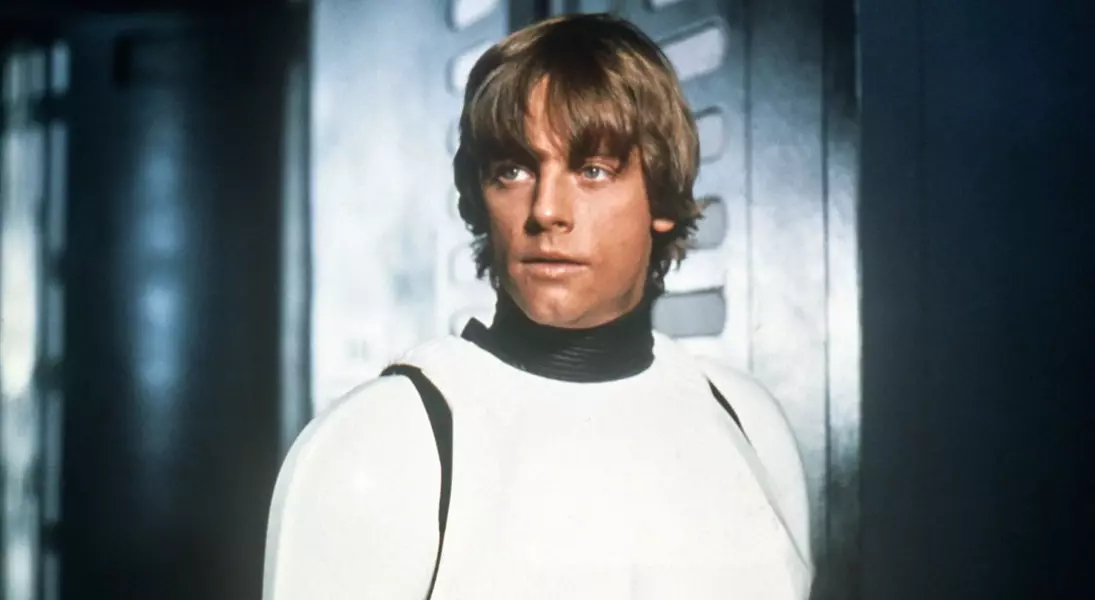
While 'Spaceballs' often dominates conversations about Star Wars parodies, a lesser-known but equally insightful satire, 'Thumb Wars: The Phantom Cuticle,' offers a distinct comedic lens through which to view the classic space opera. This 1999 short film, a brainchild of Steve Oedekerk, humorously deconstructs the initial portrayal of Luke Skywalker, revealing a character whose early cinematic moments are marked by youthful grievances. The enduring charm of 'Thumb Wars' lies in its ability to pinpoint and exaggerate these traits, presenting a refreshing counter-narrative to the hero's epic journey.
Despite its obscurity compared to more mainstream spoofs, 'Thumb Wars' carved out its own niche by embracing a delightfully low-budget aesthetic and a script brimming with clever wordplay and visual gags. It masterfully uses its simple animation style and creatively absurd character names to deliver a continuous stream of chuckles. This satirical gem not only pokes fun at the original trilogy but also shrewdly anticipates elements from the prequel era, all while cementing its status as a unique and memorable contribution to the world of Star Wars-inspired comedy.
The Enduring Whininess of Luke Skywalker
The film 'Thumb Wars: The Phantom Cuticle' astutely identifies and lampoons Luke Skywalker's initial disposition in 'A New Hope,' depicting him as a perpetually complaining young man whose aspirations are consistently overshadowed by his perceived mundane existence. The parody exaggerates his reluctance to embrace adventure, portraying him as someone more interested in trivial pursuits than the galaxy-altering events unfolding around him. This portrayal is not merely a comedic device but a sharp commentary on the character's journey from a self-absorbed youth to a galactic hero. It highlights how the magnitude of personal tragedy, such as the demise of his aunt and uncle, serves as a catalyst for his eventual transformation, a transition often overlooked by audiences accustomed to his later heroic deeds.
In 'Thumb Wars,' the protagonist, Loke Groundrunner, embodies this exaggerated sense of youthful discontent. His incessant whining and theatrical complaints about daily tasks are a central comedic theme, making him a mirror image of the original Luke Skywalker's initial character flaws. A particularly memorable scene involves Loke's dramatic protest against farm work, where he declares, 'Harvest, harvest, harvest. All you care about is the stupid harvest! You don't care about me. I wanna see the universe! You don't know who I am inside! You never have! I'm gonna run away and never come back, ever!' This comedic hyperbole is further underscored when Oobeedoob Benubi, the parody's Obi-Wan Kenobi, directly confronts Loke's disposition, bluntly stating, 'Man, you are a whiner.' This direct acknowledgment within the satire solidifies its keen observation of Skywalker's character, reminding viewers of the hero's less-than-heroic beginnings before his iconic evolution.
The Quirky Charm and Enduring Legacy of 'Thumb Wars'
'Thumb Wars' distinguishes itself with its refreshingly simple, yet effective, comedic approach, making it a standout entry in the realm of Star Wars parodies. The film's charm is deeply rooted in its deliberately rudimentary animation, where actual thumbs adorned with facial features bring the characters to life. This minimalist aesthetic, combined with a plethora of humorously absurd names like Princess Bunhead and Black Helmet Man, contributes to its unique appeal. The director, Steve Oedekerk, ingeniously weaves in satirical elements that touch upon various aspects of the Star Wars universe, including a delightful nod to Yoda and a surprising twist concerning Black Helmet Man's true identity, demonstrating a creative blend of homage and parody that keeps the audience engaged and amused.
Despite its release coinciding with 'The Phantom Menace,' 'Thumb Wars' cleverly avoids direct references to the Episode I storyline, a decision that ultimately works in its favor, preventing it from becoming dated or overly reliant on specific plot points from the prequels. This intentional omission allows the satire to maintain a broader appeal and focus on the timeless elements of the original trilogy. While it may not command the same widespread recognition as 'Spaceballs,' 'Thumb Wars' holds a significant place for those who appreciate its peculiar brand of humor and its incisive commentary. It serves as a humorous yet poignant reminder that even the most revered heroes, like Luke Skywalker, can be seen through a lens of endearing imperfection, securing its status as a beloved cult classic among aficionados of cinematic parody.
