"Midnight in Paris," a cinematic masterpiece, continues to captivate audiences years after its debut, serving as a profound meditation on the complexities of nostalgia and the unwavering pursuit of artistic fulfillment. This film masterfully navigates the human tendency to idealize bygone eras, offering a refreshing perspective on the delicate balance between revering the past and embracing the present. It underscores art's transformative capacity, portraying it as a powerful antidote to life's inherent emptiness.
The movie's enduring relevance stems from its insightful portrayal of the human condition, particularly the yearning for a 'golden age.' It encourages viewers to reflect on their own relationship with history and how it shapes their perception of reality. By presenting a protagonist who is both drawn to and ultimately challenged by the past, the film offers a nuanced critique of escapism, advocating for a deeper engagement with one's current circumstances. This timeless message, wrapped in a charming Parisian setting, ensures its continued resonance across generations.
The Enchantment of Eras Past and Present Realities
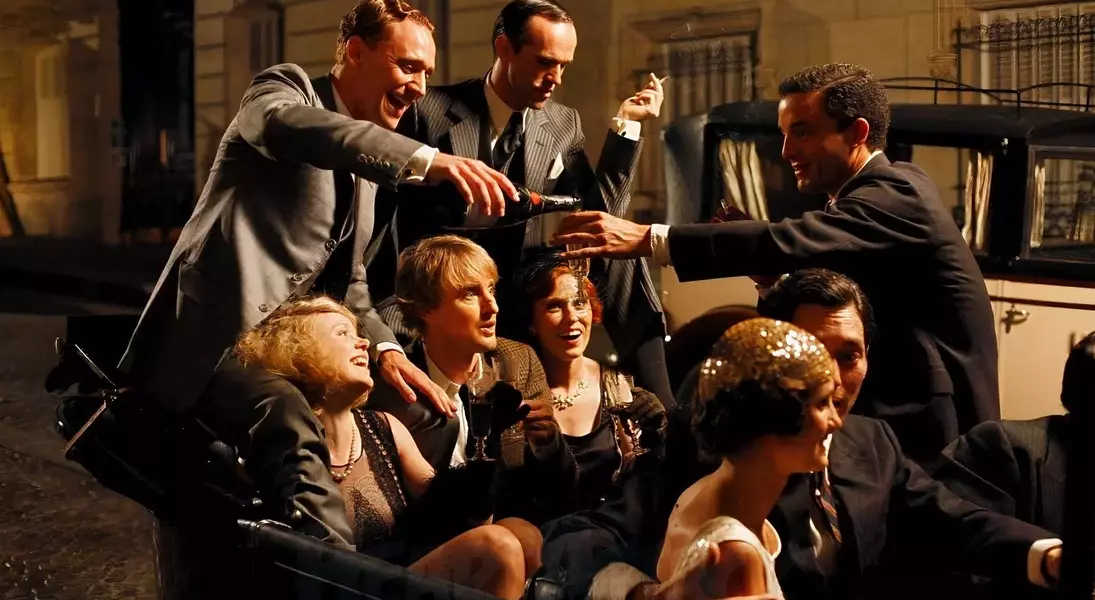
"Midnight in Paris" unfolds with Gil Pender, a struggling screenwriter, who finds himself inexplicably transported to 1920s Paris each night, encountering literary giants and artists of the era. This fantastical premise allows the film to explore the seductive power of nostalgia, as Gil immerses himself in a world he believes to be the epitome of artistic and intellectual vibrancy. His enchantment with the 'Lost Generation' reflects a common human inclination to view previous epochs through rose-tinted glasses, imagining them as inherently superior or more fulfilling than the present. The film brilliantly captures the romantic allure of Paris, not as a mere tourist destination, but as a living, breathing entity that inspires creativity and introspection.
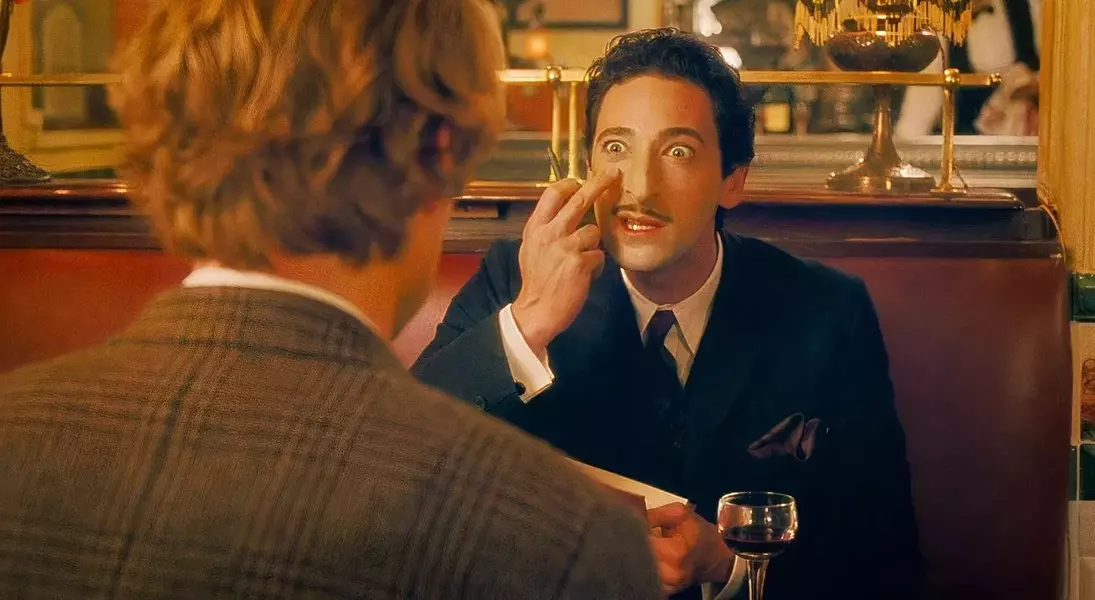
Yet, the film subtly critiques this romanticized view, juxtaposing Gil's idealized experiences with the cynical and materialistic attitudes of his modern-day companions. His fiancée, Inez, and her parents embody a detachment from genuine cultural appreciation, highlighting a stark contrast between Gil's longing for historical depth and their superficial engagement with Paris. The character of Paul Bates further accentuates this divide, representing a reductive, intellectual arrogance that dismisses any romantic notions of the past. "Midnight in Paris" uses these contrasts to expose the pitfalls of excessive nostalgia, suggesting that a constant yearning for what once was can prevent individuals from truly appreciating the richness of their current reality and the potential for artistic creation within it. The film's narrative arc ultimately guides Gil towards an understanding that true fulfillment lies not in escaping to a past that never perfectly existed, but in finding beauty and meaning in the present moment.
The Timeless Wisdom of Artistic Purpose
At its core, "Midnight in Paris" offers a profound thesis on the purpose of art and the artist's role in confronting existential despair. Through Gil's journey, the film argues that the true value of creative expression lies not in its ability to transport us to an idealized past, but in its power to illuminate and enrich the present. Gertrude Stein's memorable line—"The artist's job is not to succumb to despair, but to find an antidote for the emptiness of existence"—serves as a guiding principle, articulating the film's central message. Art, in this context, becomes a vital mechanism for understanding, coping with, and ultimately transcending the challenges of life, providing solace and meaning in an often-unpredictable world.
The film gradually dismantles Gil's initial, naive romanticism, revealing that every generation harbors its own nostalgia for a preceding 'golden age.' This cyclical yearning highlights the universal human tendency to perceive perfection just beyond reach, suggesting that true contentment stems from an active engagement with one's own time. By illustrating that even the celebrated figures of the past grappled with their own forms of despair and sought refuge in earlier eras, "Midnight in Paris" encourages viewers to embrace the unique opportunities and challenges of their own present. The film concludes by advocating for a life lived fully in the now, recognizing that genuine artistic creation arises not from escaping reality, but from transforming it through imagination and an unwavering commitment to finding beauty and purpose amidst life's inherent struggles. It is a powerful reminder that art is a tool for living, not just observing, and that its most profound impact is felt when it helps us to navigate the complexities of our immediate world.
