

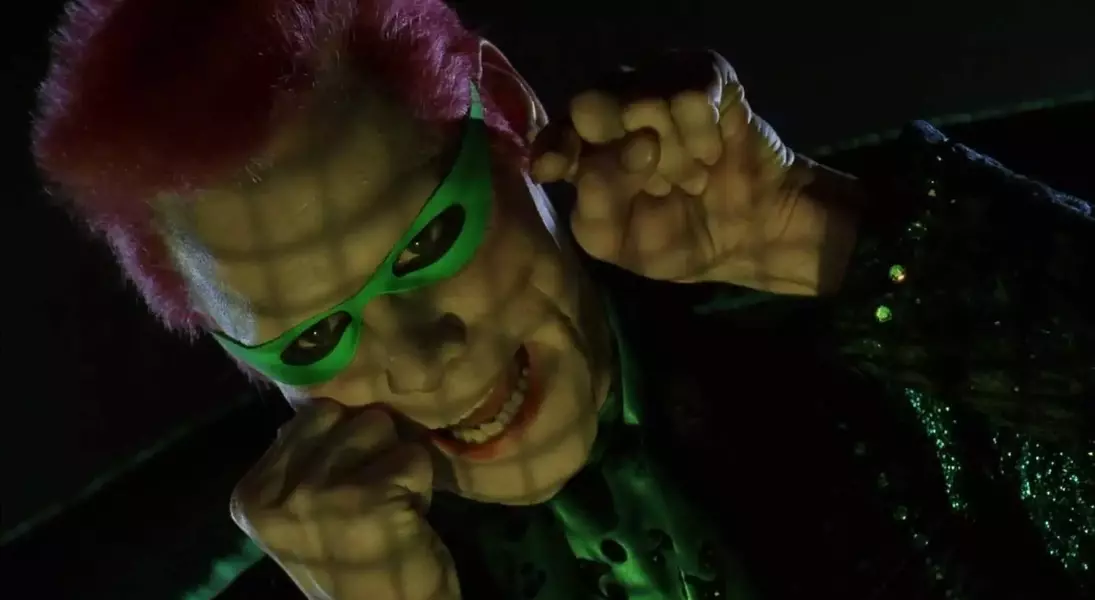
While frequently dismissed as overly campy, a closer inspection reveals that Joel Schumacher's 'Batman Forever' stands as a surprisingly authentic adaptation of the Caped Crusader's comic book origins. This piece contends that the film, starring Val Kilmer as Bruce Wayne, captures the essence of the Batman mythos more accurately than Tim Burton's darker, yet often less faithful, interpretations. Through its portrayal of iconic villains like Two-Face and the Riddler, and its development of Batman's core principles, 'Batman Forever' demonstrates a profound understanding of the source material, warranting a re-evaluation of its place in superhero cinema.
For many years, 'Batman Forever' faced criticism for its perceived campiness, particularly following the Gothic aesthetics of Tim Burton's earlier films. However, such a perspective often overlooks the movie's genuine connection to the comic book universe. While Burton's 'Batman' and 'Batman Returns' offered a visually distinct, moody Gotham, they sometimes deviated significantly from the established character traits and narrative conventions of the comics. For instance, Burton's Batman was depicted engaging in lethal actions and his Bruce Wayne often appeared as an eccentric recluse, contrasting with the playboy persona from the comics.
In stark contrast, 'Batman Forever' deliberately leaned into the more vibrant, fantastical elements characteristic of the comics, while still grounding its narrative in the emotional depth of Bruce Wayne's journey. Val Kilmer's portrayal of Bruce Wayne effectively balances the public image of a charismatic billionaire with the internal torment of a vigilante driven by childhood trauma. The film also introduces Dick Grayson, whose origin story as Robin is handled with genuine pathos, underscoring Batman's inherent responsibility and moral compass – particularly his unwavering commitment to avoiding lethal force, a cornerstone of his character in the comics.
Furthermore, Schumacher's approach to the villains, Two-Face and the Riddler, showcases a greater fidelity to their comic book counterparts. The brief but accurate depiction of Harvey Dent's transformation into Two-Face, stemming from an acid attack in court, directly mirrors his established origin. Jim Carrey's flamboyant Riddler, while comedic, embodies the character's intellectual and theatrical villainy, often testing Batman's mental prowess rather than just his physical strength. This attention to detail reflects a director who, unlike some of his contemporaries, respected and immersed himself in the source material.
Despite its brighter color palette and more exaggerated style, 'Batman Forever' successfully weaves complex themes of identity, trauma, and justice, all central to the Batman narrative. The film embraces the theatricality inherent in superhero stories, delivering an experience that feels both grand and personal. It doesn't shy away from the inherent 'comic-book-ness' of the world, choosing to celebrate it rather than obscure it with an overly grim facade. This embrace of the comics' spirit allowed for a more holistic portrayal of Gotham City and its inhabitants, moving beyond superficial darkness to explore the intricate psychology of its characters.
Therefore, 'Batman Forever' merits renewed appreciation for its commitment to the foundational elements of the Batman comics. By prioritizing the character's integrity, understanding the nuanced relationships with his adversaries, and embracing the vibrant, sometimes campy, nature of its source material, the film offers a uniquely faithful adaptation. It stands as a testament to the idea that a superhero film can be both entertaining and deeply respectful of its origins, proving that faithfulness doesn't always necessitate a somber tone.
