

Embarking on the digital journey of "Tomodachi Life: Living the Dream" on the Nintendo Switch offers a fascinating glimpse into the whimsical world of Mii characters. This review chronicles the initial impressions of a player new to the series, exploring the game's unique blend of humor, absurdity, and profound customization. From shaping the personalities of virtual inhabitants to managing their daily lives and interactions on Arcadia Island, the game presents an intriguing challenge. The narrative unfolds through observations of peculiar Mii behaviors, the intricate island-building mechanics, and the unexpected emotional responses evoked by this peculiar life simulation. It's a charming yet thought-provoking experience, where the line between player and deity becomes delightfully blurred, prompting reflection on the responsibilities of creation and control within a digital realm.
The Quirks and Charms of Arcadia Island's Digital Denizens
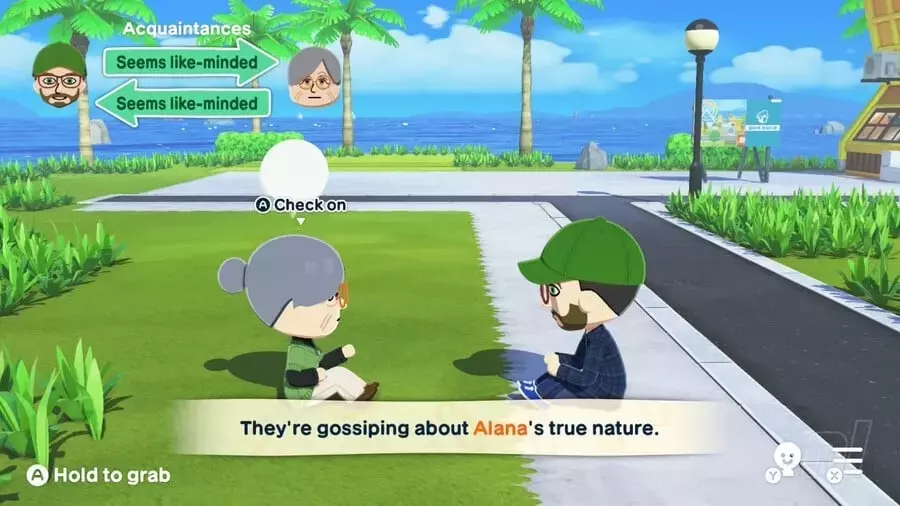
The journey into "Tomodachi Life: Living the Dream" on the Nintendo Switch began with the creation of a digital doppelgänger and its virtual spouse, followed by the introduction of an elderly Mii named Helga, crafted through pure imagination. Initially, the player's Mii experienced a slight upset during its first interaction with Helga, swiftly resolved with virtual comfort. This amusing incident highlighted the game's ability to elicit genuine emotional responses from the player. Unlike its 3DS predecessor, this Switch iteration offers expanded control, allowing players to direct Miis to engage with the island environment or foster social connections. The game constantly delivers a stream of unexpected and humorous events, such as Miis spontaneously collapsing or experiencing comical hiccup fits. Dialogue often veers into the absurd, with questions like "Does a board game make you think of an iced latte?" becoming commonplace, enriching the game's comedic tapestry. The player assumes the role of island "captain," guiding Miis toward happiness and personal growth through leveling up, which unlocks new expressions, phrases, and gifts tailored to their distinct personalities. From Jimmy, a ten-year-old in a cow outfit, proudly waving, to Zach, the player's virtual partner, enthusiastically throwing a baseball, and Alana, who ponders her existence with the phrase "I'm such a fool," each Mii possesses a unique charm. The economic system, with its surprisingly expensive virtual apples and lamb, adds a layer of unexpected realism, prompting lighthearted reflections on real-world financial anxieties. The island's customization options are extensive, allowing for terraforming and the placement of various structures from the Quik Build store, transforming Arcadia Island into a personalized haven for its quirky residents. As the player navigates the whimsical world of Mii interactions, from facilitating friendships to resolving minor squabbles, the game continues to surprise and entertain with its delightful blend of mundane and bizarre.
Engaging with "Tomodachi Life: Living the Dream" offers more than just entertainment; it provides a curious introspection into the nature of control and influence. The experience, likened to caring for Sea Monkeys or a Tamagotchi, reveals the subtle complexities of managing a simulated world. Despite the occasional frustrations of repetitive Mii requests, the game fosters a unique bond between player and character. The initial wariness between the player's Mii and Helga eventually softened, demonstrating the subtle evolution of digital relationships within the game. This journey into digital deity, while not always exhilarating, certainly sparks a delightful and thought-provoking exploration of interaction, creation, and the delightful absurdities of virtual life.
