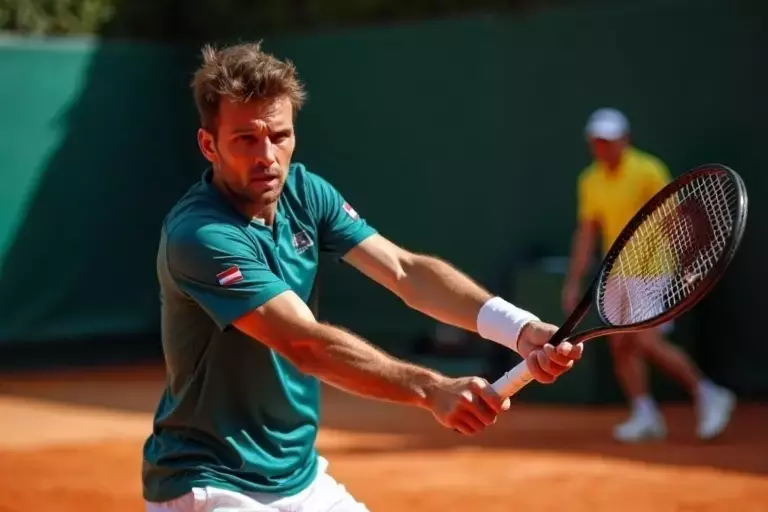
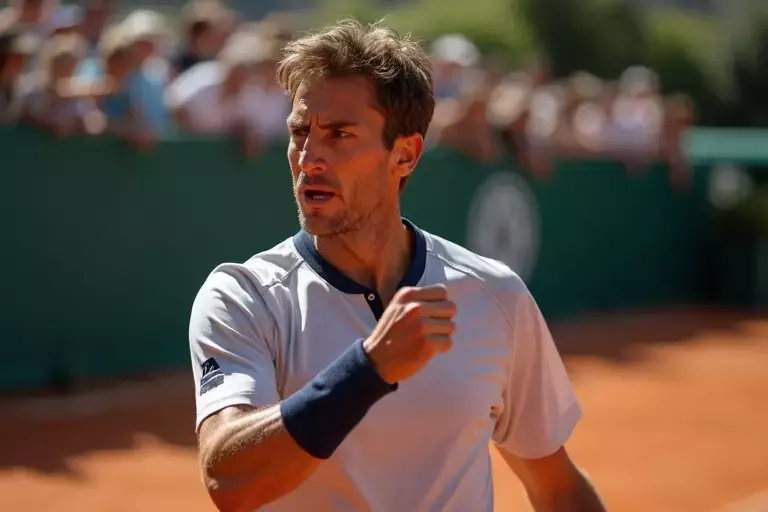
Jannik Sinner, the world's top male tennis player, is back on the court after a three-month doping ban. The Italian star's return to competitive play has been marked by both anticipation and controversy. Fans in Rome have flocked to watch him practice, but the journey hasn't been easy. Despite being found not guilty of intentional doping, Sinner faced sanctions due to his team’s actions. As he prepares for his first match post-ban, Sinner remains focused on regaining his form while navigating the complexities of public perception and professional rivalry.
His return signifies more than just a player rejoining the circuit; it represents a broader conversation about athlete responsibility, anti-doping protocols, and the challenges of maintaining peak performance after a hiatus. With fans roaring in support and rivals expressing mixed feelings, Sinner must now prove himself once again on the clay courts of Rome.
Fans and Controversy: Navigating Public Sentiment
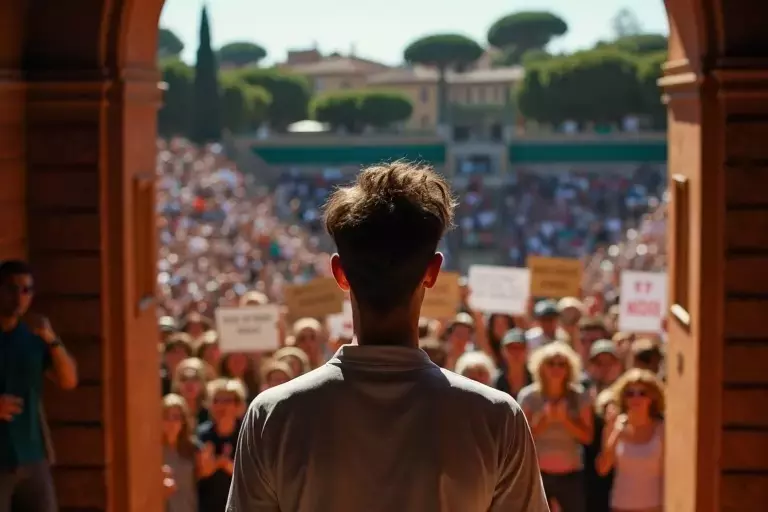
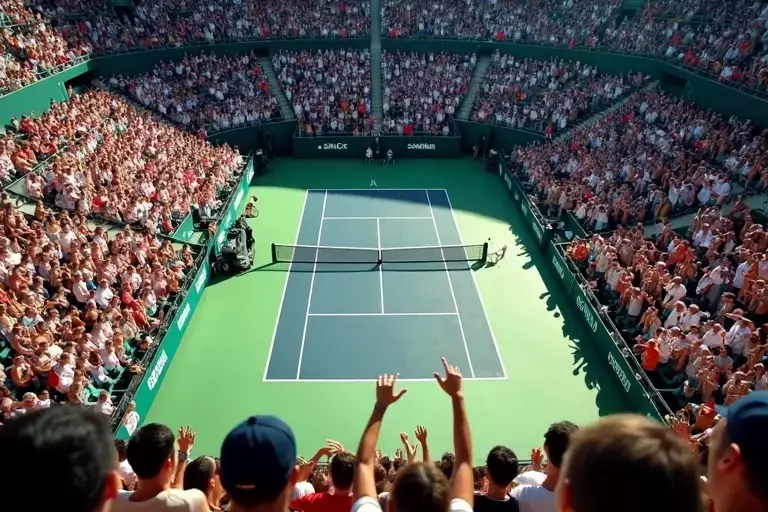
Jannik Sinner's comeback has been met with overwhelming enthusiasm from his fanbase, who eagerly flock to see him practice at the Foro Italico. Their chants echo through the stadium, creating an atmosphere reminiscent of his triumphs at the ATP Tour Finals. Yet, beneath this fervent support lies a layer of complexity. While many admire his talent, questions linger regarding the circumstances surrounding his doping ban. This duality—of adoration and scrutiny—has placed Sinner at the center of a heated debate within the tennis community.
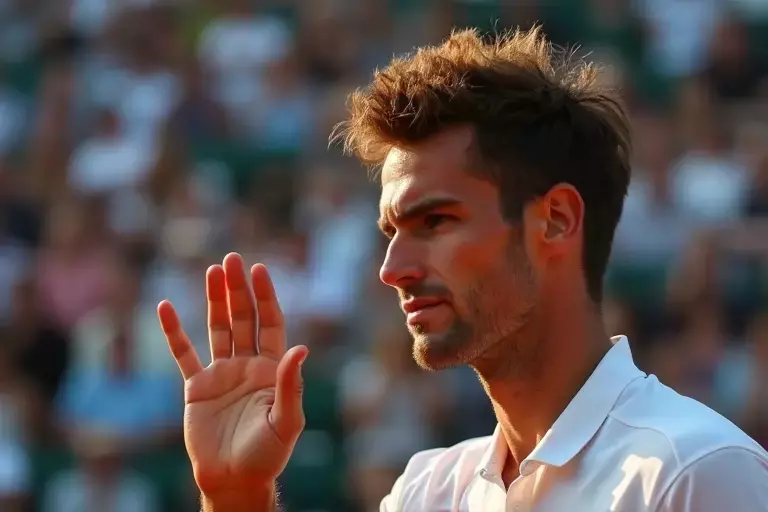
The young Italian superstar continues to grapple with these dynamics as he steps back onto the court. Although he insists he is merely a 23-year-old passionate about tennis, his presence carries immense significance for Italian sports culture. Thousands gather to witness his training sessions, highlighting his status as a national icon. In response, Sinner maintains his characteristic reserve, acknowledging spectators with subtle gestures rather than showmanship. His demeanor reflects a desire to separate personal life from professional obligations, even amidst heightened media attention and public curiosity. As he resumes competition, balancing expectations and realities becomes paramount.
Rebuilding Momentum: Challenges Beyond the Ban
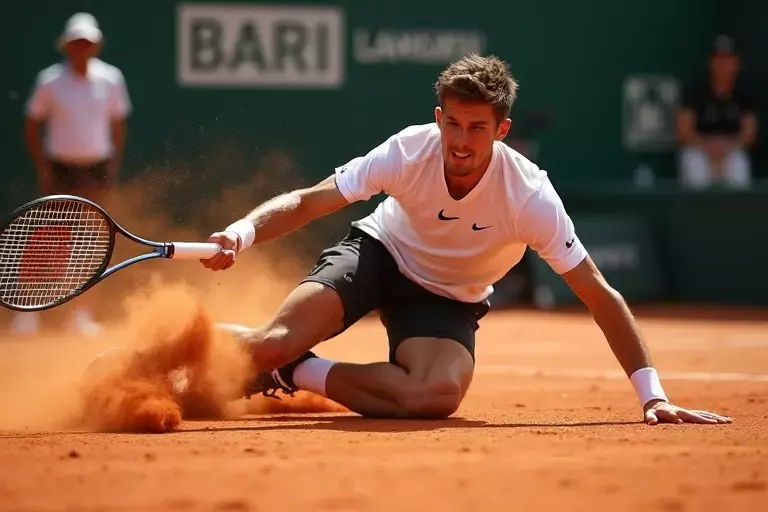
Beyond the shadow cast by his doping suspension, Sinner faces tangible obstacles in restoring his game. Clay courts pose unique challenges that demand adaptability and resilience. Unlike hard courts where predictability aids his powerful strokes, clay introduces variables like slower ball speeds and unpredictable bounces. These factors necessitate adjustments in strategy and mindset, areas Sinner actively works to refine under the guidance of coach Simone Vagnozzi.
During practice matches, observers noted moments of brilliance alongside occasional errors—a testament to the ongoing process of rebuilding consistency. Vagnozzi emphasized the importance of embracing this phase as part of growth, encouraging patience as Sinner rediscovers instinctual play. Competing against formidable opponents such as Mariano Navone further tests his readiness. Yet, despite initial hurdles, there remains optimism fueled by Sinner's dedication and technical prowess. As he progresses through the tournament, each match serves as an opportunity to reclaim dominance while reinforcing trust among fans and peers alike.
