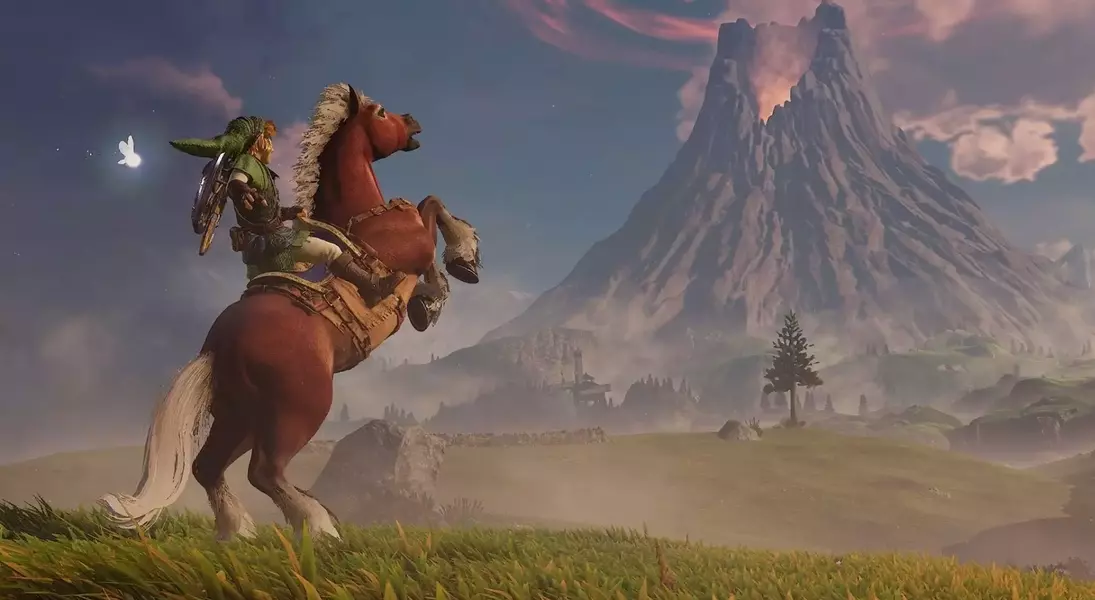
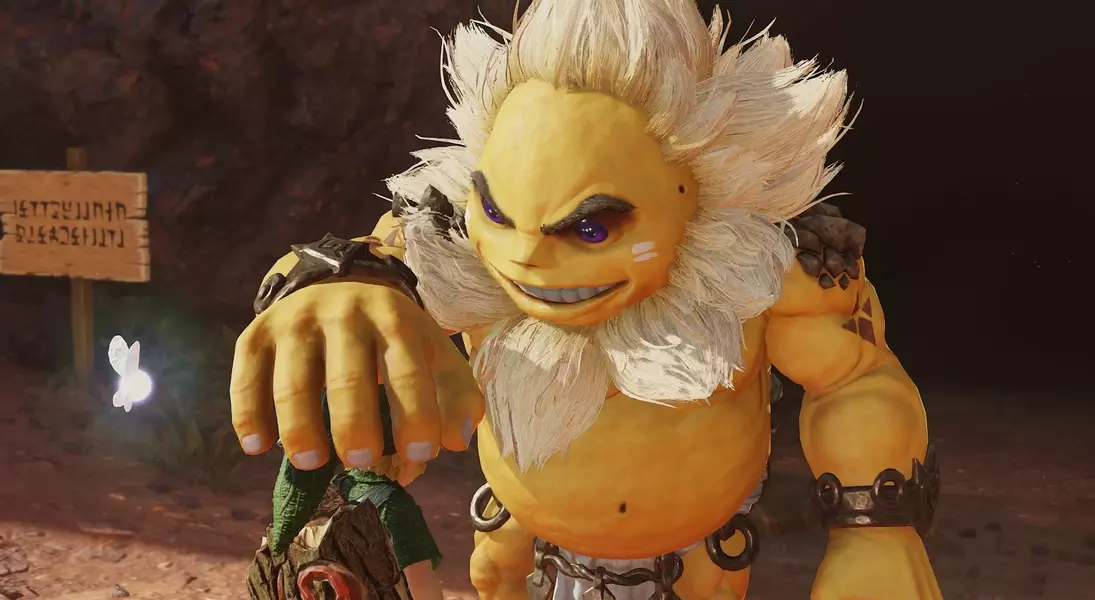
This article explores Nintendo's strategic decision to release a remake of "The Legend of Zelda: Ocarina of Time" as a flagship title for the Switch 2 in 2026. It delves into the excitement surrounding the project, the development team's approach to updating a beloved classic, and how the new hardware facilitates this endeavor. Furthermore, it examines Nintendo's broader strategy of balancing new intellectual properties with high-profile remakes to cater to a diverse audience and ensure continued success.
Relive the Legend: "Ocarina of Time" Reimagined for a New Era
Unveiling Nintendo's 2026 Secret: The Grand Return of a Timeless Classic
A year ago, Nintendo's plans for 2026 remained shrouded in mystery. While titles like "Pokémon Pokopia" and "Mario Tennis Fever" were slated to conclude the Switch 2's inaugural year, the platform's major release for 2026 was still unknown. Now, the veil has been lifted, revealing Nintendo's significant secret: "The Legend of Zelda: Ocarina of Time" would serve as the Switch 2's cornerstone game for 2026, offering players a monumental remake and significantly boosting Nintendo's holiday sales. Nate Bihldorff, Nintendo's SVP of product development and publishing, recognized the immense impact this announcement would have.
The Anticipation and Excitement Surrounding a Beloved Remake
“I often find immense joy in anticipating which games will ignite the greatest passion among fans, and certainly, from the moment we first considered 'Ocarina of Time,' we expected nothing less,” Bihldorff shared with Polygon during the game's launch event at Nintendo's flagship New York store. He elaborated on how this critically acclaimed Zelda title seamlessly integrates into the Switch 2's expanding software library. The Switch 2's initial year featured a diverse array of games, including unexpected offerings like "Kirby Air Riders" and "Tomodachi Life: Living the Dream." While the lineup was robust, some Nintendo enthusiasts pondered when the publisher would unleash its most prominent titles. However, Nintendo confidently withheld a system-selling announcement, placing strong faith in the Switch 2's initial software catalog.
Nintendo's Unwavering Confidence in Its Development Prowess
“We consistently have full confidence in our developers to deliver exceptional games,” Bihldorff stated. “One constant throughout my entire tenure at Nintendo is the certainty that we will always be releasing new content. The beauty of possessing such a wide array of IPs that appeal to different demographics is the ability to maintain a continuous cycle of diverse game releases. Regardless of my personal excitement for 'Donkey Kong Bananza' at launch, there are always more games in the pipeline. This situation felt no different.”
Navigating the Creative Risks of Reimagining a Masterpiece
While the success of "Ocarina of Time" seemed almost guaranteed, it represented a significant creative undertaking. Players hold deep affection for the original, often hailed as the greatest video game of all time. According to Bihldorff, the development team was fully aware of the high stakes, yet they approached the remake with more enthusiasm than apprehension.
The Passionate Pursuit of Bringing a Classic to a New Generation
“They understood the immense challenge ahead when they embarked on this project, but their comments reflect an undeniable enthusiasm for the process, especially once they became deeply involved in bringing this experience to a new generation,” Bihldorff explained. “I believe that passion far outweighs any concerns about 'I hope we don't mess this up!' No, their dedication is palpable. Let's get this out there. The final product truly speaks for itself.”
Leveraging New Hardware to Realize Unfulfilled Visions
A significant part of this excitement stemmed from the hardware the game was developed on. In an earlier interview with Polygon, Zelda producer Hidemaro Fujibayashi emphasized that the Switch 2 provided developers with the opportunity to actualize "Ocarina of Time" in ways that mid-90s gaming technology simply couldn't accommodate. “With the new Nintendo Switch 2 hardware, we can now harness all its capabilities and attempt things that were previously impossible with 'Ocarina of Time,'” Fujibayashi told Polygon. “This offered us a chance to thoroughly explore the potential of that kind of gameplay and game design.”
Nintendo's Evolving Strategy: Balancing Innovation with Nostalgia
The release of "Ocarina of Time" would have been a remarkable move for Nintendo on its own, but it gains even more significance within the context of the Switch 2's 2026 lineup. It marks the company's second major remake of the year, following June's "Star Fox." (Although not a direct remake, 2025's "Kirby Air Riders" also largely revisited the GameCube's "Kirby Air Ride.") Was this a mere coincidence, or a strategic shift for Nintendo as it endeavors to revive its most cherished games? Bihldorff stressed that while original games remain as crucial as ever for Nintendo, remakes currently form a substantial part of their software strategy.
The Enduring Value of Both Novelty and Reimagined Classics
“I firmly believe that both new games and remakes hold equally important places within Nintendo's portfolio, to be honest,” Bihldorff asserted. “Every single IP we have possesses a dedicated fanbase. Naturally, new entries in these series are fantastic, and I anticipate them as much as anyone else. However, there's also a profound satisfaction in revisiting exceptionally special games, like 'Ocarina of Time.' It's also vital to consider the countless individuals who never experienced the original; for them, the 'Ocarina of Time' remake will be an entirely fresh, 2026 experience, and one I eagerly await for them to discover.”
Nintendo's Calculated Risks: A Tightrope Walk Towards Continued Success
Bihldorff's remarks illuminate Nintendo's strategy during the Switch 2's second year. The publisher navigates an intriguing creative landscape, balancing niche games from smaller IPs with high-profile remakes that represent more secure investments. This delicate balance appears to be yielding positive results, especially given that unconventional releases like "Tomodachi Life: Living the Dream" are proving to be significant financial successes for the Switch 2. If any move – whether it's revitalizing a critically overlooked GameCube title or giving "Ocarina of Time" a dramatic overhaul – seems surprisingly daring, it can be attributed to the kind of confidence earned when such risks consistently pay off.