
PopCap's 'Plants vs. Zombies' (PvZ), a title initially launched in 2009, continues to captivate players with its engaging gameplay, a sentiment echoed in an archived review from PC Gamer magazine #200. This timeless game, which redefined the tower defense genre, has proven its lasting appeal through its unique blend of strategic depth, quirky humor, and a surprisingly rich array of content beyond its main campaign.
Revisiting the Iconic 'Plants vs. Zombies' from a 2009 Perspective
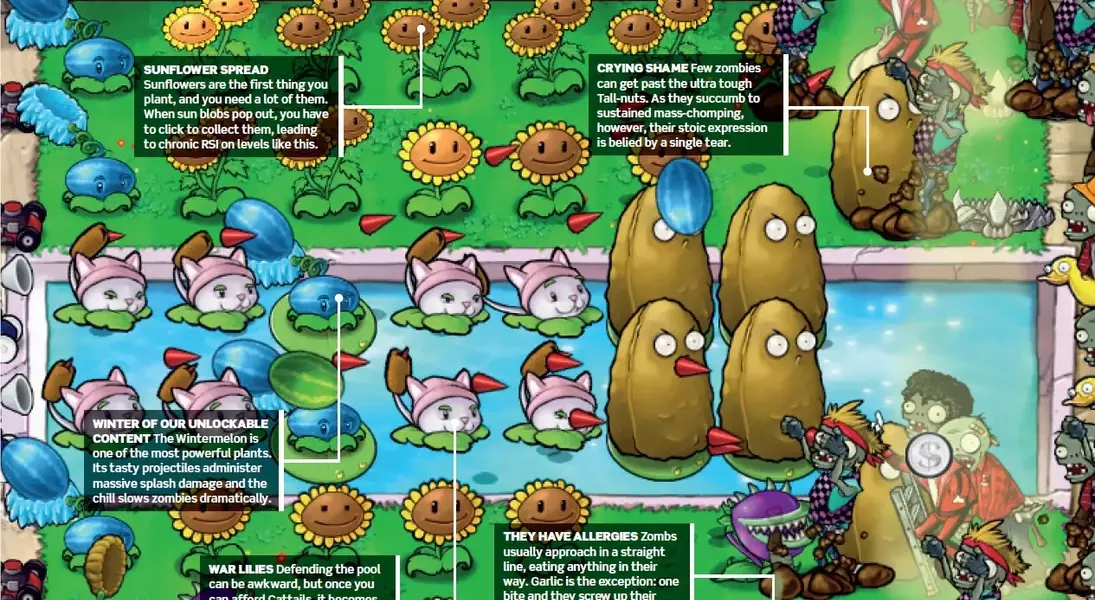
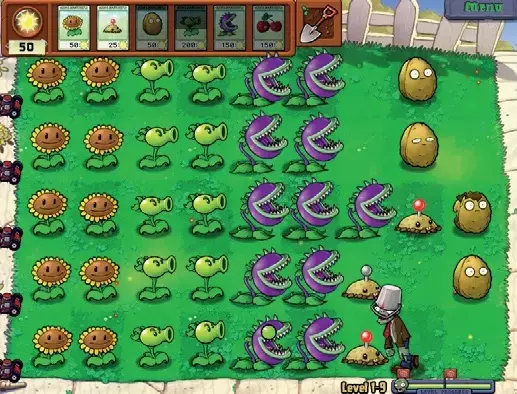
In the spring of 2009, the gaming world was introduced to 'Plants vs. Zombies,' a creative endeavor by PopCap that quickly became a household name. The game's premise is delightfully straightforward yet profoundly strategic: players must defend their home from an encroaching horde of zombies using an arsenal of specialized plants. Sunlight, the game's primary resource, is diligently collected from sunflowers, enabling players to deploy various botanical defenders, each with distinct abilities ranging from projectile attacks to defensive barriers, freezing powers, and explosive traps. The game was initially priced at $20 and required a minimum 1.2Ghz CPU, 256Mb of RAM, a DirectX 8 GPU, and an internet connection. PopCap Games was both the publisher and developer, bringing a fresh perspective to the gaming landscape.
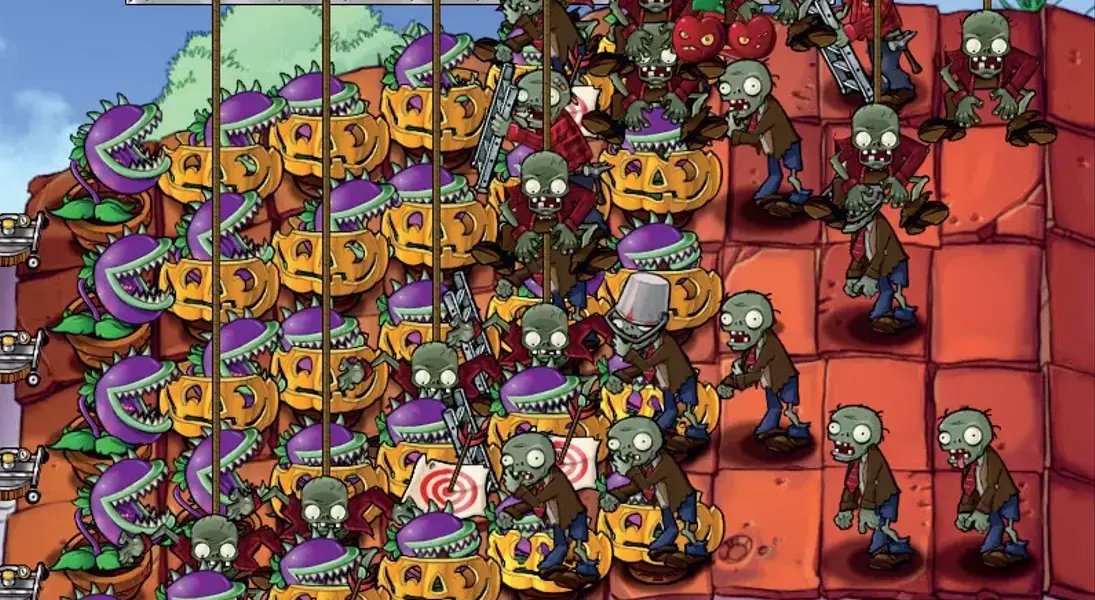
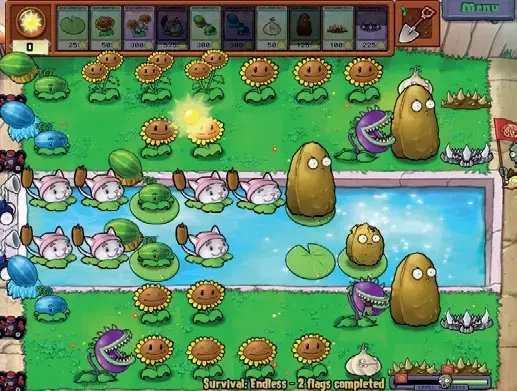
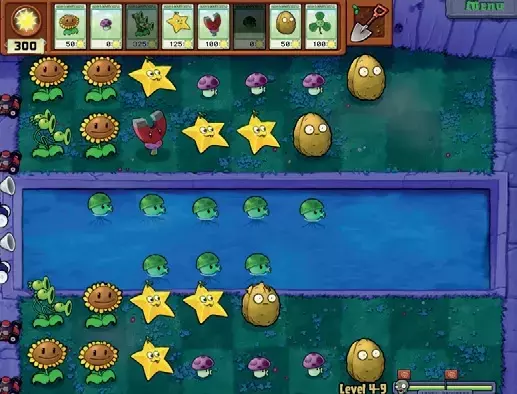
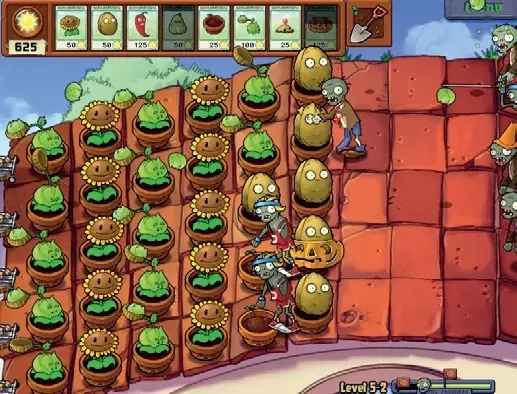
What set PvZ apart from other games of its era was its refusal to conform strictly to existing genres. While it borrowed elements from tower defense, its innovative mechanics and charming eccentricities created a unique experience. Unlike traditional tower defense games where units might navigate around obstacles, PvZ's zombies charge forward relentlessly, and plants maintain fixed firing lines. This forces players to adapt their strategies constantly. The game's 'Adventure' mode, offering approximately seven hours of gameplay, continuously introduces new plant types, making each level a fresh challenge. As players progress, the selection of available plants far exceeds the initial limit of seven per level, turning plant selection into a critical strategic decision. For instance, balancing defensive plants like Wall-Nuts and Tall-Nuts with offensive options such as Split Peas—which can fire backward—becomes crucial for countering diverse zombie threats. Before each battle, players can assess the incoming zombie types, ranging from bucket-wearing protectors to dancing 'Thriller' zombies, helium balloon-borne threats, tunneling miners, explosive variants, and even those on bungee ropes or in bobsleds, each demanding a specific counter-strategy. This dynamic mix ensures that players never settle into a monotonous routine, constantly requiring them to rethink their garden's configuration.
Beyond the core 'Adventure' mode, PvZ boasts a wealth of additional content, including numerous minigames, challenges, and a 'Zen Garden.' These supplementary activities are integrated into an in-game economy where money earned from defeating zombies and completing tasks can be spent at Crazy Dave's car boot sale on powerful plant upgrades. Standout minigames like 'Beghouled' merge Bejeweled's match-three mechanics with PvZ's plant-based combat, adding an extra layer of strategy. 'Last Stand' challenges players to design an ultimate defense with a large budget and then observe its effectiveness, while 'I, Zombie' reverses roles, allowing players to strategically deploy zombies to overcome pre-set plant defenses. These diverse modes extend the game's replayability far beyond its initial campaign, offering a compelling and addictive experience that transcends the limitations of many casual games.
The enduring popularity of 'Plants vs. Zombies' serves as a testament to its exceptional design and engaging gameplay. It demonstrates that a game doesn't need to be hyper-realistic or overly complex to achieve widespread acclaim and retain a dedicated player base. Instead, a strong emphasis on innovative mechanics, strategic depth, and a captivating aesthetic can create a truly unforgettable and endlessly replayable experience.
