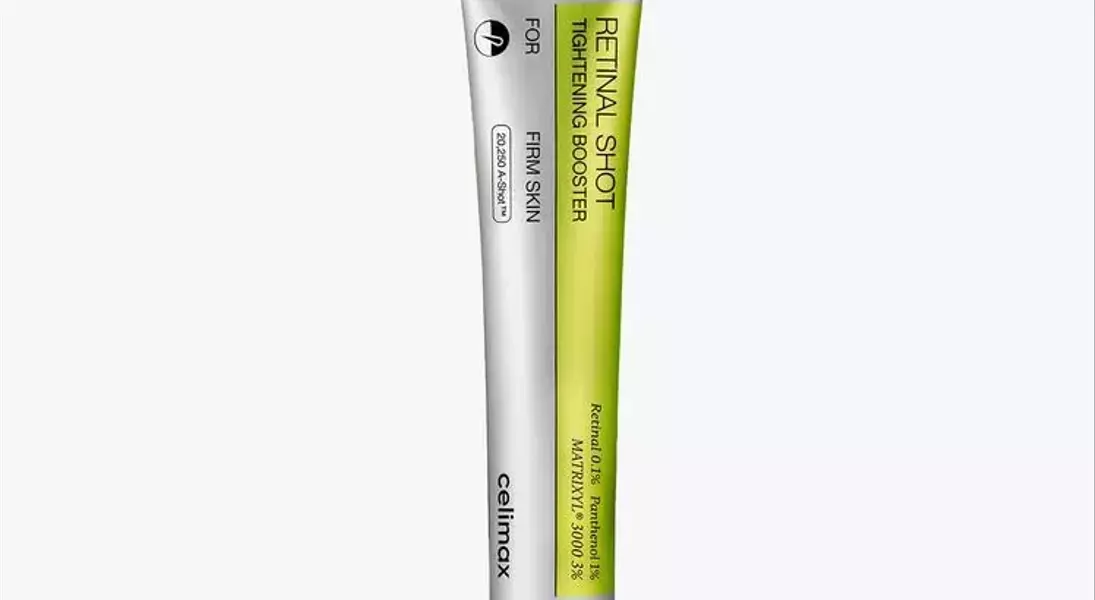

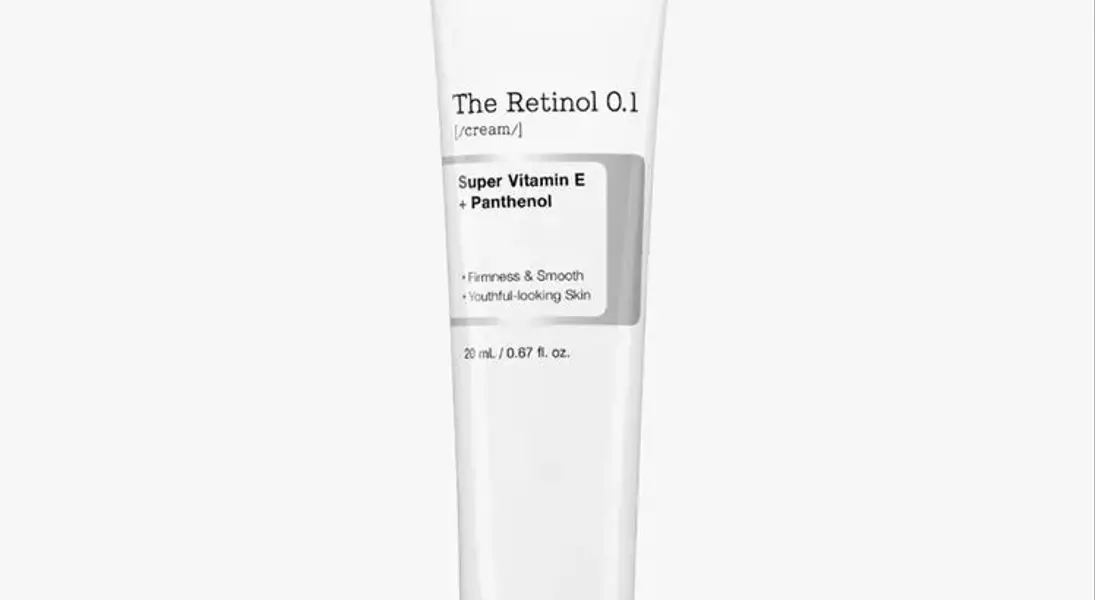
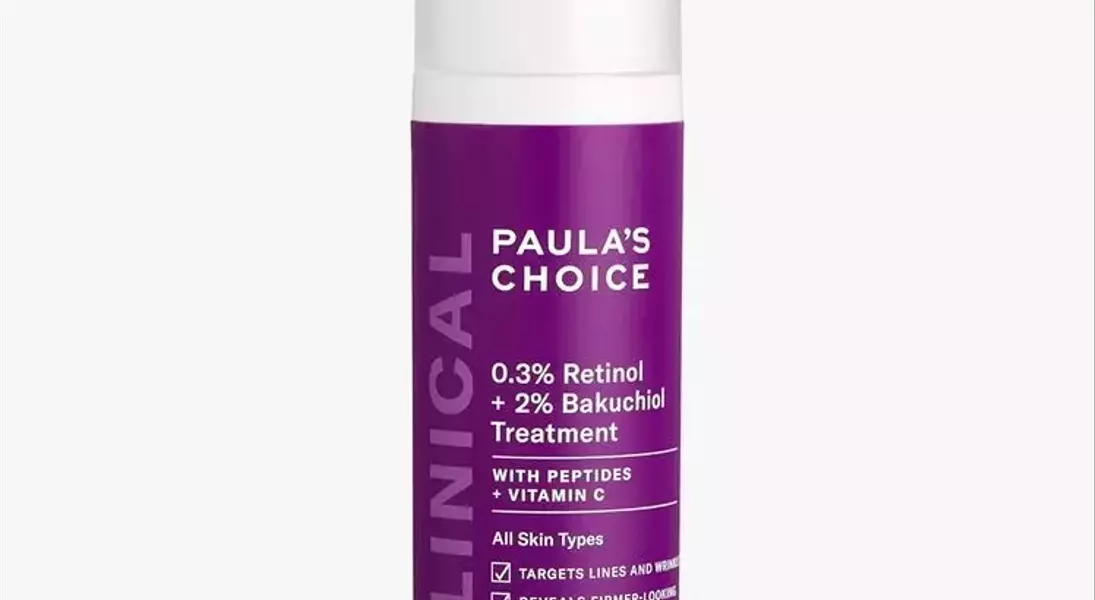
In the expansive realm of skincare, retinol and tretinoin frequently emerge as key contenders in discussions surrounding anti-aging and blemish control. Despite their shared classification as retinoids, these two ingredients possess distinct characteristics that influence their efficacy and suitability for different skin types.
The fundamental divergence between retinol and tretinoin lies in their strength and conversion process within the skin. Tretinoin, an active form of retinoic acid, requires no metabolic steps to exert its effects, making it significantly more potent. This heightened strength necessitates a prescription for acquisition and mandates a cautious, gradual introduction into a skincare regimen to mitigate potential irritation. Conversely, retinol undergoes a two-step conversion into retinoic acid, rendering it a milder option widely accessible in over-the-counter formulations. This gentler profile makes retinol particularly well-suited for individuals with sensitive skin, or for application on delicate areas like the neck and décolleté, as well as for skin undergoing age-related changes, such as post-menopause.
Choosing between tretinoin and retinol involves a careful consideration of skin sensitivity, desired outcomes, and potential side effects. Both ingredients necessitate consistent daily sunscreen use due to increased photosensitivity. Additionally, caution is advised when pairing either retinoid with other active ingredients like alpha hydroxy acids, beta hydroxy acids, or vitamin C, as this can exacerbate irritation. A crucial principle is to avoid simultaneous use of multiple retinoid-containing products, as this dramatically elevates the risk of adverse reactions. For optimal results and to ensure the most appropriate treatment for individual skin concerns, consulting a dermatologist is highly recommended.
Embracing a tailored skincare approach, informed by expert guidance and a deep understanding of product properties, empowers individuals to achieve radiant and healthy skin. By choosing the right retinoid and adhering to proper application techniques, one can effectively address skincare concerns, foster skin renewal, and cultivate a sense of well-being through conscious self-care.
