

A common experience for many parents, the arrival of a first child introduces a myriad of unforeseen challenges. Beyond the daily tasks, even recreational activities like video games can present unexpected hurdles, especially when trying to share a favorite pastime with a curious toddler. This scenario recently played out with Nintendo's latest mainline Mario title, Super Mario Bros. Wonder, sparking a reflection on game accessibility.
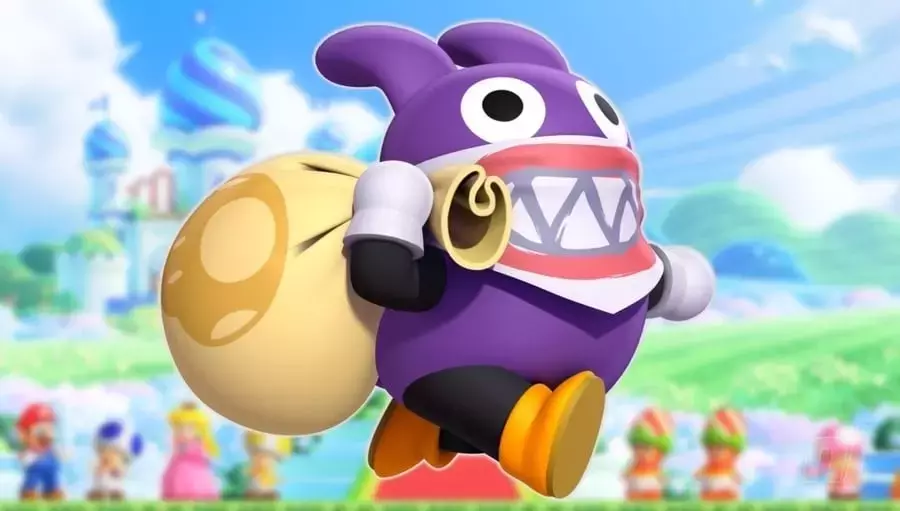
Historically, the notion of reducing a game's difficulty was a foreign concept, often counter to the desire for extended playtime and a greater sense of achievement. Games like "Halo" on Legendary or "Bayonetta" on Climax were embraced for their demanding nature. However, this perspective shifts dramatically when a three-year-old, captivated by the "Super Mario Bros. Movie," expresses a keen interest in playing, particularly as Princess Peach. The challenge arises because Super Mario Bros. Wonder restricts its easier modes to specific characters, such as Nabbit and certain Yoshis, leaving beloved characters like Peach without built-in invincibility or other difficulty-reducing attributes. This design choice inadvertently creates a barrier for younger players who are drawn to particular characters but are then faced with an unexpectedly high level of challenge, leading to frustration rather than enjoyment. The game's Badge system offers some assistance, but it doesn't fully compensate for the absence of comprehensive difficulty adjustments available across all characters.
This situation brings into question Nintendo's design philosophy for games aimed at a broad audience, including children and families. While Nintendo has made progress in accessibility over the years, the decision to tie difficulty to character selection in a flagship title seems counterintuitive. Allowing players to choose their preferred character while still having access to varied difficulty settings, similar to how other games offer universal accessibility options, would enhance the gaming experience for everyone. This flexibility would enable young players to enjoy the game with their favorite characters, fostering a love for gaming without the initial frustration of unmanageable challenges.
Ultimately, the journey of playing games with younger generations illuminates the critical need for thoughtful game design that prioritizes inclusivity and enjoyment for all skill levels. By offering adaptable difficulty options independent of character choice, game developers can ensure that the magic of gaming is accessible to every player, regardless of age or experience. This approach not only enhances individual experiences but also strengthens the bonds formed through shared play, creating lasting positive memories.
